
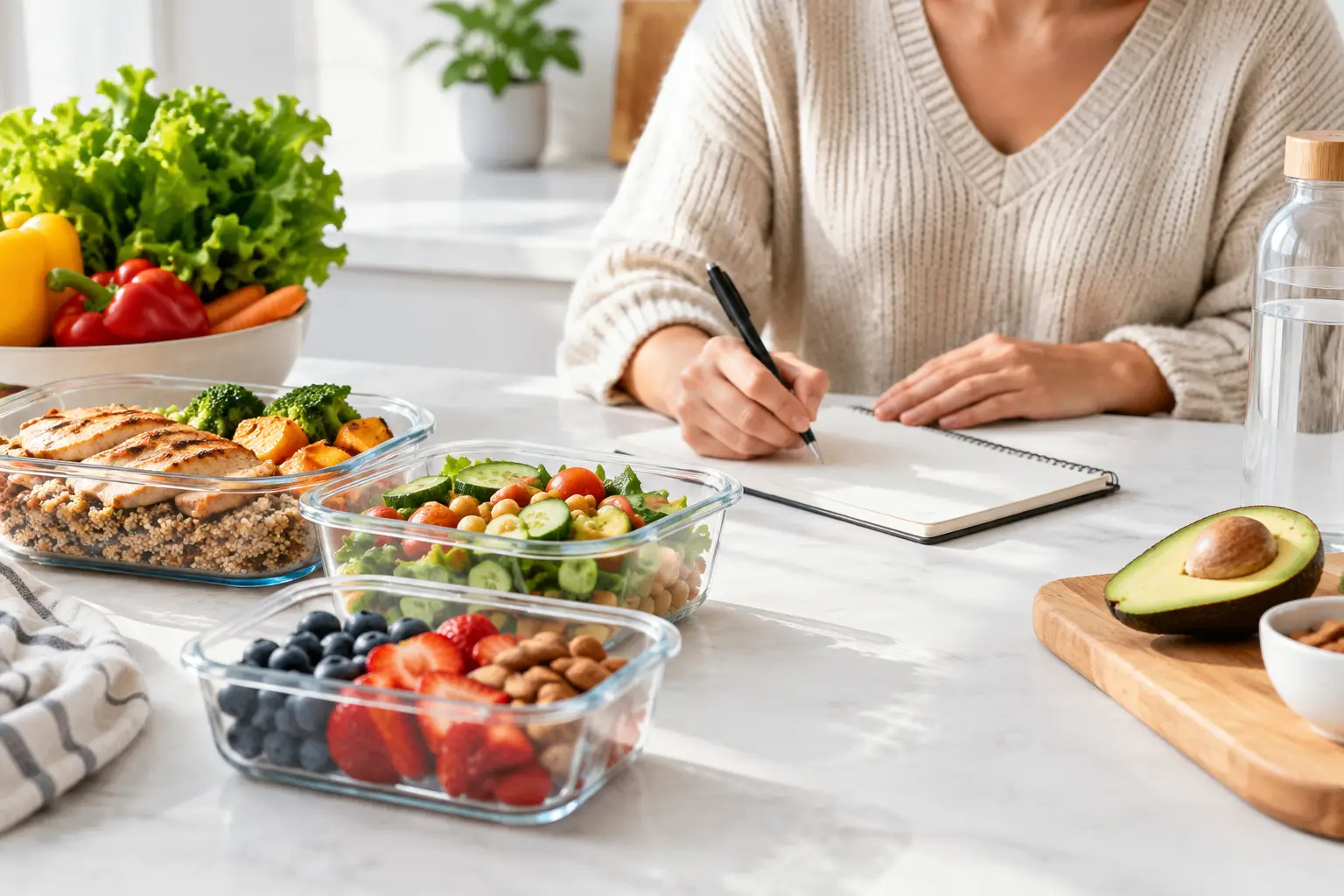
Low Energy Meal Planning That Keeps Life Simple
At 4pm, a complicated recipe is not going to save the day. When you are tired, hungry and still have work, children or a commute to deal with, the useful question is not “what is the perfect meal?” It is “what can I make that will actually help?” Low energy meal planning is about answering that question before your energy runs out.
This is not a strict eating plan, a weekend spent batch-cooking 14 identical lunches, or a reason to feel guilty about using convenience foods. It is a practical way to make regular, satisfying meals easier on the days when decision-making feels like one job too many.
Why meals can affect your energy
Food is only one part of energy. Sleep, stress, movement, illness, medication, daylight and hydration all matter too. Still, eating patterns can make an already tiring day harder. Skipping breakfast or lunch, relying on sugary snacks, or reaching dinner so hungry that anything quick will do can lead to sharp swings in hunger and alertness.
A meal does not need to be complicated to be more steadying. In most cases, aim to include a source of protein, some fibre-rich carbohydrate, and fruit or vegetables, with a little fat for flavour and fullness. Think porridge with yoghurt and berries; a jacket potato with beans and salad; or eggs on wholemeal toast with tomatoes.
Protein and fibre tend to help meals keep you full for longer than refined carbohydrates on their own. That does not mean bread, pasta or cereal are off limits. It means pairing them with something more substantial. A bowl of plain pasta may leave you looking for biscuits an hour later; pasta with tuna, peas, olive oil and grated cheese is a different proposition.
Start low energy meal planning with a minimum standard
The biggest mistake in meal planning is designing a week for the version of you who has plenty of time, motivation and a fully stocked kitchen. Plan for your ordinary Wednesday instead.
Set a minimum standard for a workable meal: protein, a filling carbohydrate, and one portion of fruit or veg. If you have those three elements, you have a decent foundation. The meal can be basic. It can come from the freezer. It can be served in a bowl rather than arranged neatly on a plate.
This standard is useful because it removes the need to invent meals from scratch. You are choosing combinations, not performing culinary creativity after a long day.
For example, a freezer portion of chilli with microwave rice and frozen broccoli meets the standard. So does a wholemeal pitta filled with hummus, chicken and bagged salad. So does baked beans on toast with a side of fruit. None is a wellness showpiece. All are likely to be more helpful than getting so hungry that you graze on whatever is nearest.
A rigid Monday-to-Sunday menu often fails because life changes. Meetings run late, someone gets ill, leftovers appear, or you simply do not fancy what was planned. Instead, choose a small set of meal anchors for the week.
Pick two breakfasts, two or three lunches, and three evening meals you can repeat or rotate. Add one deliberately easy backup meal for the nights when cooking is not realistic. Repetition is not a failure of imagination. It is a way to conserve mental energy.
A sensible week might include overnight oats and eggs on toast for breakfast. Lunch could be soup with wholemeal bread and cheese, or leftover dinner with extra salad. Evening meals might be a traybake of chicken, peppers and potatoes; lentil and vegetable pasta; and a simple fish, peas and mash dinner. The backup could be a good-quality frozen meal with extra vegetables on the side.
Planning this way also makes shopping easier. You buy ingredients with more than one use, rather than a long list for seven unrelated recipes.
Keep a short list of reliable building blocks
Your cupboards, fridge and freezer do not need to look like a health food shop. They need a few foods that can become a meal without much preparation. The most useful choices are those you genuinely eat and can replace without fuss.
Keep four groups in mind:
- Protein: eggs, Greek yoghurt, tinned beans, lentils, tinned fish, cooked chicken, tofu or cheese.
- Carbohydrates: oats, wholemeal bread, potatoes, microwave grains, pasta, rice or wraps.
- Fruit and vegetables: frozen mixed vegetables, peas, spinach, bagged salad, tomatoes, bananas, berries or tinned fruit in juice.
- Flavour and extras: olive oil, herbs, curry paste, pesto, stock, hummus, nuts or grated cheese.
Frozen and tinned foods are not second-best choices. They are often what makes a nourishing meal possible on a difficult day. Frozen vegetables reduce washing, chopping and waste. Tinned beans can turn a sauce, soup or jacket potato into something more filling in minutes.
Make the easiest option a good enough option
If you are prone to afternoon slumps, do not leave food decisions until you are already depleted. Put lunch ingredients where you can see them. Keep a snack at work or in your bag. Portion leftovers before you sit down for dinner, rather than hoping there will be enough left tomorrow.
Good snacks are not meant to replace meals indefinitely, but they can prevent the desperate hunger that makes balanced eating harder. A banana with peanut butter, yoghurt with oats, cheese and crackers, or an apple with a handful of nuts can carry you through a long gap between meals.
It also helps to be honest about your cooking capacity. Some people enjoy a large batch cook on Sunday. Others find it exhausting, expensive or unrealistic. If that is you, try a lighter approach: cook double portions once or twice a week, chop nothing you can buy pre-prepared, and use one-pot meals that create leftovers without turning your kitchen into a project.
Watch the habits around the meal too
A planned meal can still leave you flat if the rest of the day is running on coffee and very little water. Caffeine can be useful, particularly in the morning, but it is a poor substitute for food, sleep or a break. Drinking it late in the day may also interfere with sleep, which can make tomorrow’s energy worse.
Try to eat at roughly regular intervals that suit your schedule. There is no universal rule that everyone must eat three meals at fixed times. Some people prefer a larger breakfast; others are not hungry until later. What matters is noticing whether your pattern leaves you shaky, irritable, unable to concentrate, or ravenous by evening.
After lunch, a short walk or a few minutes outside can be more helpful than immediately reaching for another coffee. It will not fix chronic fatigue, but daylight and gentle movement can support alertness and make the afternoon feel less stagnant.
When food is not the whole answer
Meal planning can make daily life easier, but persistent tiredness deserves proper attention. If fatigue is new, severe, worsening, affects your ability to function, or comes with symptoms such as unexplained weight loss, breathlessness, chest pain, persistent low mood, heavy periods or changes in sleep, speak to a GP. Conditions such as iron deficiency, thyroid problems, sleep apnoea and depression can all affect energy, and they need more than a better shopping list.
It is also worth resisting the urge to self-prescribe a collection of supplements just because you feel tired. A deficiency should be identified and treated appropriately. Food-first habits are sensible, but they should not delay medical advice where it is needed.
The most useful plan is the one that still works when you are busy, tired and not especially inspired. Choose a few meals you can make almost on autopilot, keep their ingredients close by, and let “good enough” do its job. A calm, regular meal is not a cure for every kind of fatigue, but it can remove one avoidable drain on your day.