A Shiftworker Sleep Routine Example That Works
Use this shiftworker sleep routine example to protect rest, manage light and caffeine, and feel more alert across early, late and night shifts each week.
Sleep plays a major role in daily energy, focus and overall wellbeing. When sleep quality is poor, it becomes much harder for the body and mind to recover properly, which can lead to fatigue, low motivation and difficulty concentrating.
This section explores practical ways to improve sleep and support natural recovery. Articles look at common issues such as waking up tired, disrupted sleep patterns and habits that affect rest during the night. The aim is to explain these topics clearly and suggest simple lifestyle changes that can help improve sleep quality and restore energy over time.
The advice here focuses on realistic habits such as sleep routines, evening behaviours, environment and daily lifestyle factors that influence how well the body recovers overnight.
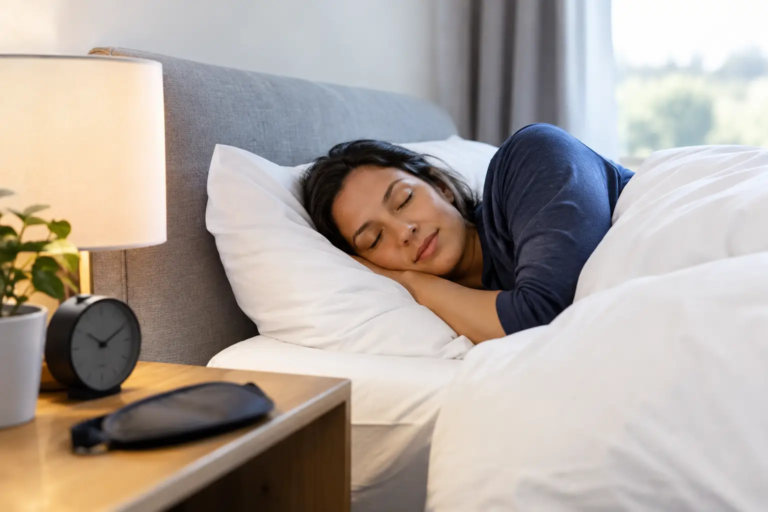
Use this shiftworker sleep routine example to protect rest, manage light and caffeine, and feel more alert across early, late and night shifts each week.

Learn how to choose supportive pillows for your sleeping position, body shape and comfort, so your neck stays aligned and you wake less stiff each morning.

A practical evening wind down checklist to ease out of a busy day, reduce late-night stimulation and give yourself a steadier chance of better sleep well.

Sleep debt symptoms can affect focus, mood and appetite. Learn how to spot the signs, recover sensibly and know when tiredness needs prompt medical advice.

Morning sunlight vs bright lamp: learn which better supports alertness, sleep and your body clock, plus a realistic routine for darker UK mornings at home.

This guide to sleep chronotypes explains why your natural timing affects energy, and how to build a steadier routine without forcing early starts each day.

What is sleep inertia? Learn why you wake up groggy, how long it lasts and practical ways to feel alert sooner through steadier daily sleep and mornings.
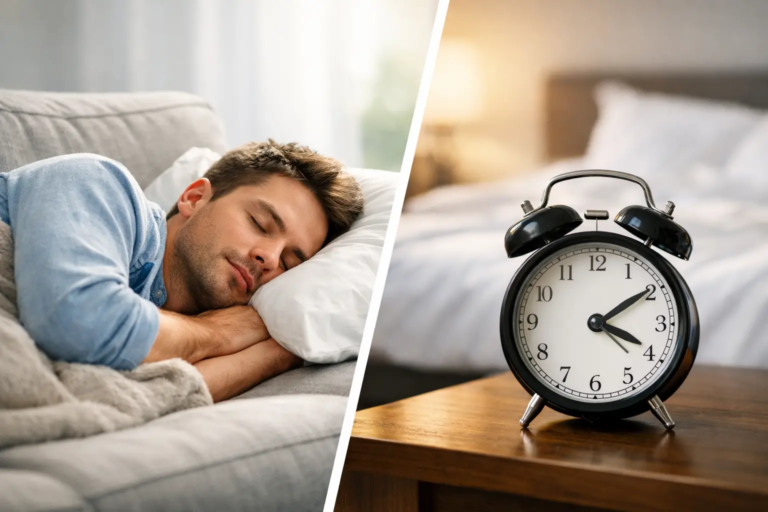
Is napping bad for sleep? Learn when a daytime nap can help, when it can disrupt your night, and how to nap without losing sleep. For steadier energy.

Use this guide to better sleep recovery to improve your routine, support deeper rest and wake with steadier energy through practical, realistic habits.

A morning routine checklist adults can use to feel more alert, support better sleep and build steadier energy without a complicated wellness regime daily.
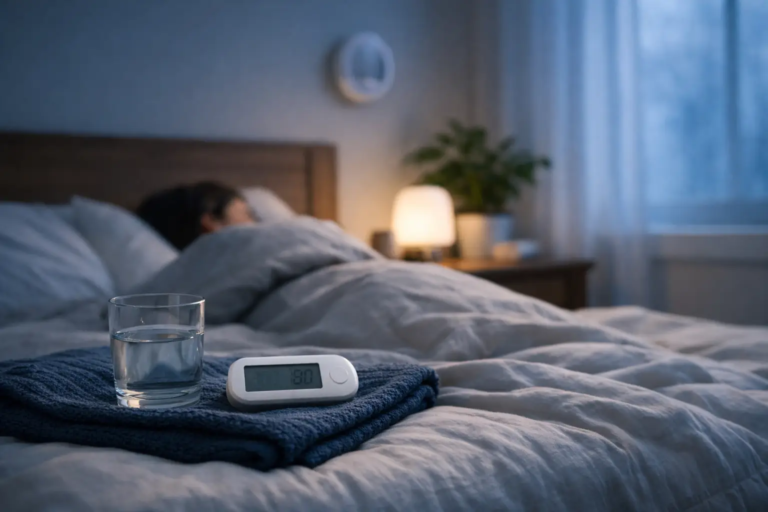
Find the best bedroom temperature for sleep, why 16 to 19°C suits most adults, and simple ways to keep your room cool overnight without fuss.

Learn how to reduce evening overstimulation with simple habits that calm your nervous system, lower alertness, and support better sleep at night.