

How Fresh Air and Natural Light Improve Alertness
Table of Contents
Introduction
Many people spend most of their day indoors, often working under artificial lighting and in environments with limited ventilation. While this has become a normal part of modern life, it may also contribute to feelings of tiredness and reduced concentration so this article concentrates on looking at how fresh air and natural light improve alertness.
Simple environmental factors such as fresh air and natural light can have a noticeable influence on how alert we feel during the day. Even small amounts of daylight or time outdoors can help restore focus and improve energy.
The human body evolved to respond to natural light patterns and outdoor environments. When we spend long periods indoors without these signals, it can disrupt the body’s natural rhythms that regulate sleep and alertness.
Understanding how fresh air and natural light influence the body can help explain why stepping outside, opening a window, or spending time in daylight often helps improve alertness.
Quick Answer
Fresh air and natural light help improve alertness by supporting the body’s circadian rhythm, increasing oxygen intake, and stimulating the brain’s natural wakefulness signals. Exposure to daylight, particularly in the morning, helps regulate sleep patterns and can support steadier energy levels throughout the day.
Natural Light and the Body’s Internal Clock

One of the most important roles of natural light is its effect on the body’s internal biological clock, often referred to as the circadian rhythm.
The circadian rhythm helps regulate when we feel awake and when we feel tired. It influences sleep patterns, hormone production, body temperature, and mental alertness.
Natural daylight is one of the strongest signals that helps regulate this internal clock. When light enters the eyes, it sends signals to the brain that it is time to remain awake and alert.
Morning light is particularly important. Exposure to daylight shortly after waking helps the body establish a clear separation between daytime activity and nighttime rest. This can support both improved alertness during the day and better sleep later at night.
Fresh Air and Oxygen Levels

Fresh air also plays a role in maintaining alertness.
Indoor environments sometimes contain stale air, particularly in buildings with limited ventilation. When fresh air circulation is reduced, oxygen levels may be slightly lower and carbon dioxide levels slightly higher.
While these changes are usually small, they can still influence how alert or comfortable people feel.
Stepping outside or opening a window can increase the flow of fresh air and encourage deeper breathing. This helps supply oxygen to the brain and body, which may improve focus and reduce feelings of sluggishness.
Mental Benefits of Outdoor Environments

Fresh air and natural surroundings can also support mental wellbeing.
Spending time outdoors often provides a break from the constant stimulation of indoor environments, screens, and concentrated work. Natural settings such as parks, gardens, or open spaces can help reduce mental fatigue and allow the mind to relax briefly.
This mental reset can improve concentration and productivity when returning to work or daily tasks.
Even short outdoor breaks during the day can make a noticeable difference in mental clarity.
Daylight and Mood
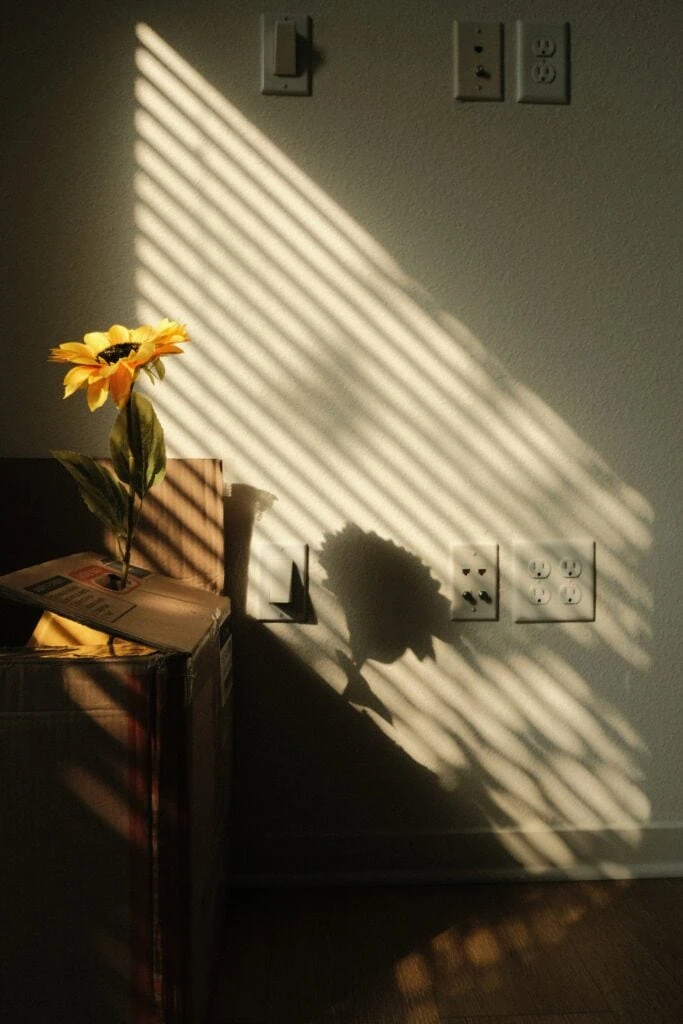
Natural light is also linked to mood regulation.
Exposure to daylight helps the body regulate certain hormones that influence mood and alertness. Reduced exposure to natural light, particularly during darker seasons or long periods indoors, may contribute to feelings of tiredness or reduced motivation.
Increasing exposure to daylight during the day can help maintain a more balanced daily rhythm.
For many people, simple habits such as opening curtains in the morning or taking a short walk outside during daylight hours can be beneficial.
Simple Ways to Increase Daylight and Fresh Air
Fortunately, increasing exposure to fresh air and natural light does not require major lifestyle changes.
Small adjustments can often make a noticeable difference. Opening windows, spending short periods outdoors, or arranging workspaces near natural light sources can help support alertness.
Even brief outdoor breaks during the day can help restore energy and improve concentration.
Many people find that incorporating outdoor time into their daily routine supports both mental wellbeing and overall energy levels.
Conclusion
Fresh air and natural light play important roles in regulating the body’s natural rhythms and supporting alertness. Daylight helps maintain the body’s internal clock, while fresh air encourages deeper breathing and improved oxygen flow.
Although modern life often keeps people indoors for long periods, even small amounts of daylight and outdoor time can help restore focus and support steadier energy levels throughout the day.
If you would like a broader explanation of how daily habits influence energy levels, you may also want to read our guide to improving daily energy naturally.
The role of Wellness Products
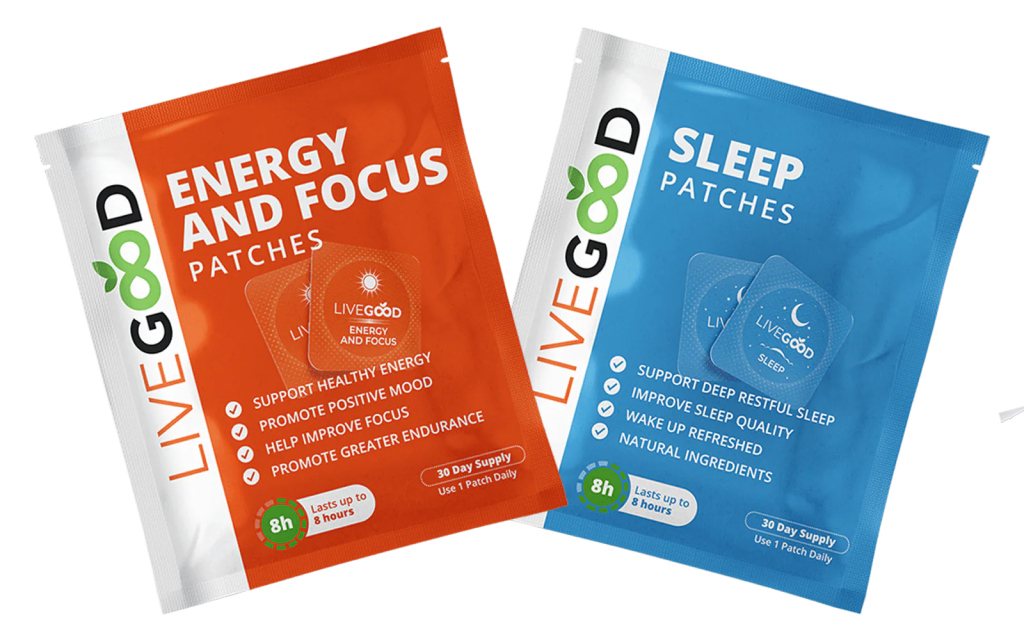
Some people explore supplements or wellness products to support their daily routines. While these can sometimes be helpful, they should be viewed as support rather than a replacement for healthy habits.
If you are interested in exploring wellness products that may support energy routines, you can browse the options available at the Wellthy Freedom Hub store.
Always read ingredient labels carefully and speak with a healthcare professional if you have medical conditions or take medication.
Disclosure: This site may link to products on wellthyfreedomhub.com. If you choose to buy, the store benefits. The guidance here is informational and not medical advice.
Further Reading
Simple Morning Habits That Improve Energy
The Real Guide to Daily Energy

Richard Chambers is the founder of rrjchambers.com. He writes about practical ways to improve everyday health, energy, and wellbeing through simple routines, lifestyle habits, and carefully chosen wellness products. His focus is on clear, honest guidance that helps people make small changes that support better health over time.
Health Information Notice
The information in this article is intended for general educational purposes only and should not be considered medical advice. If you have concerns about your health, sleep, or energy levels, it is always best to consult a qualified healthcare professional.