
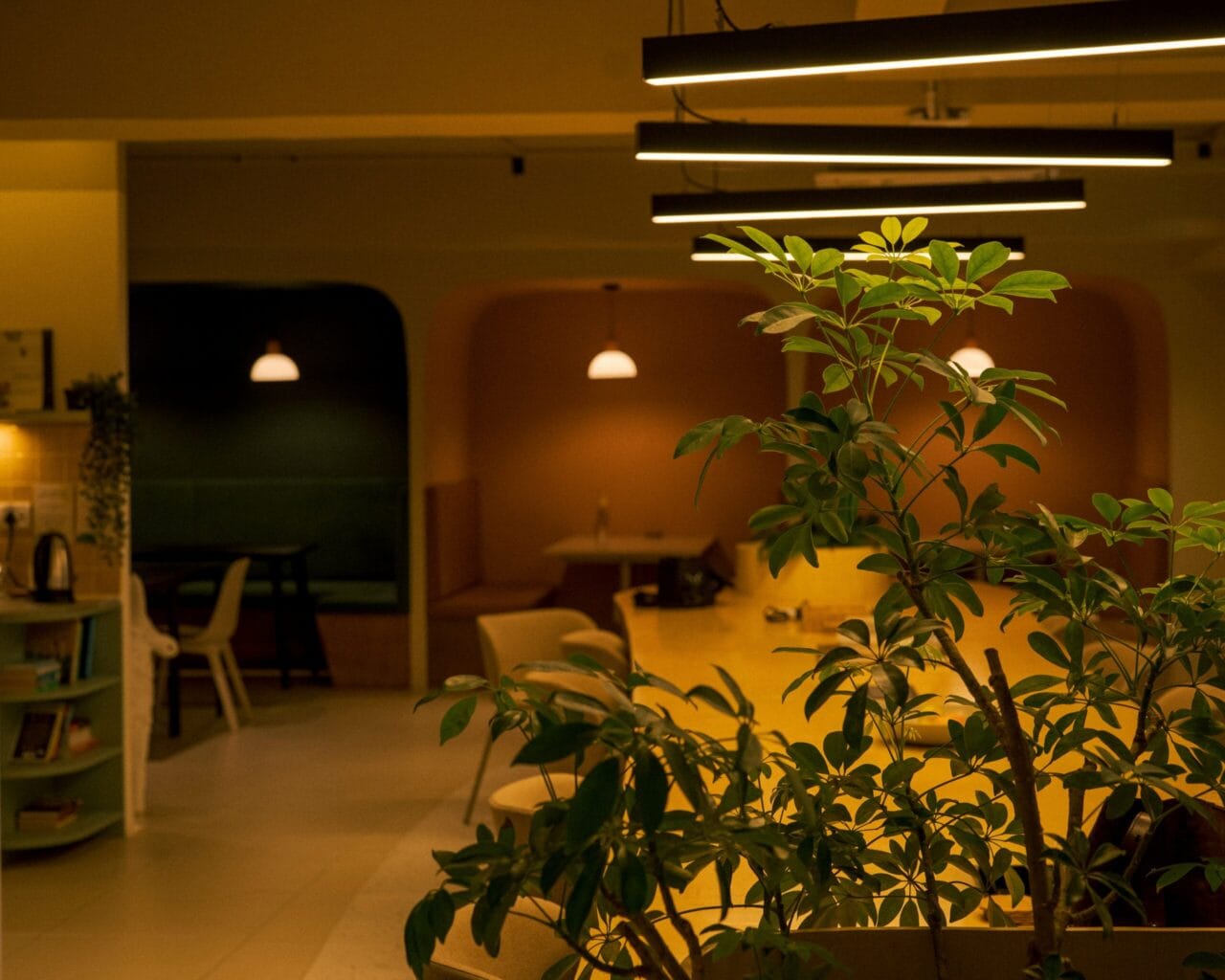
Why Indoor Lighting Can Affect Your Energy Levels
Introduction
When people think about factors that influence their energy levels, they usually focus on sleep, diet, or exercise. However, the environment around us can also have a powerful effect on how alert or tired we feel throughout the day. One of the most overlooked environmental influences is lighting and that is why indoor lighting can affect your Energy Levels.
Modern lifestyles mean that many people spend a large portion of their time indoors. Offices, homes, shops, and other buildings rely heavily on artificial lighting. While this allows work and daily activities to continue regardless of the time of day or weather conditions, it also means that the body may receive fewer natural signals from daylight.
Light plays an important role in regulating the body’s internal rhythms. Because of this, the type and amount of light we experience during the day can influence alertness, concentration, and overall energy levels.
Understanding how lighting affects the body can help explain why some environments feel energising while others make people feel tired or sluggish.
Quick Answer
Indoor lighting affects energy levels because light signals help regulate the body’s circadian rhythm. Bright light encourages alertness and focus, while dim lighting can signal the body to relax or prepare for rest.
How Light Regulates the Body’s Internal Clock
The human body operates according to an internal timing system called the circadian rhythm. This rhythm regulates many biological processes, including sleep, wakefulness, hormone release, and body temperature.
Light is the strongest signal that controls this internal clock.
When light enters the eyes, it sends signals to a part of the brain that regulates alertness. During daylight hours, bright light helps the body stay awake and active. As evening approaches and light levels fall, the body begins to prepare for sleep.
Natural sunlight provides the strongest signals for this system. When people spend long periods indoors under dim lighting, the brain may not receive clear signals that it is daytime. This can contribute to reduced alertness and increased fatigue.
Differences Between Natural and Artificial Light
Natural sunlight contains a broad spectrum of light wavelengths that help regulate the body’s rhythms effectively. Artificial lighting can vary significantly in brightness and colour temperature.
Bright white lighting is often associated with increased alertness and concentration. Warmer and softer lighting tends to promote relaxation, which is why it is commonly used in homes during the evening.
If daytime environments are too dim, the brain may interpret this as a signal that the body should relax rather than remain alert. Over time this may contribute to reduced energy levels during working hours.
Lighting and Mental Concentration

Lighting conditions can also affect how easily people concentrate.
Poor lighting may cause eye strain, particularly when reading or working with screens. When the eyes must work harder to see clearly, the brain also has to work harder to process information. This additional effort can lead to mental fatigue.
Balanced and comfortable lighting can reduce this strain. When lighting conditions are appropriate, the brain can focus on tasks more efficiently without needing to compensate for poor visibility.
Increasing Exposure to Natural Light

Natural daylight can be particularly helpful for maintaining alertness.
People who work near windows or spend short periods outdoors during the day often report improved focus and energy. Even brief exposure to daylight can help reinforce the body’s natural rhythms.
Simple habits such as opening curtains, positioning desks near windows, or taking short outdoor breaks may help support alertness during the day.
Lighting in the Evening

Lighting also influences how the body prepares for sleep.
Bright artificial light late in the evening may signal to the brain that it is still daytime. This can delay the body’s natural preparation for sleep.
Reducing bright lighting in the evening and using softer lighting may help support the body’s transition into rest.
Conclusion
Lighting is an important but often overlooked factor that influences energy levels, concentration, and daily rhythms. The body relies on light signals to regulate alertness during the day and prepare for sleep at night.
Improving indoor lighting conditions and increasing exposure to natural daylight may help support better focus and reduce feelings of fatigue.
For a broader explanation of daily energy patterns, see our article Why Energy Levels Change During the Day.
Further Reading
- Simple Morning Habits That Improve Energy
- How Fresh Air and Natural Light Improve Alertness
- The Real Guide to Daily Energy
The role of wellness products

Some people explore supplements or wellness products to support their daily routines. While these can sometimes be helpful, they should be viewed as support rather than a replacement for healthy habits.
If you are interested in exploring wellness products that may support energy routines, you can browse the options available at the Wellthy Freedom Hub store.
Always read ingredient labels carefully and speak with a healthcare professional if you have medical conditions or take medication.
Disclosure: This site may link to products on wellthyfreedomhub.com. If you choose to buy, the store benefits. The guidance here is informational and not medical advice.

Richard Chambers is the founder of rrjchambers.com. He writes about practical ways to improve everyday health, energy, and wellbeing through simple routines, lifestyle habits, and carefully chosen wellness products. His focus is on clear, honest guidance that helps people make small changes that support better health over time.
Health Information Notice
The information in this article is intended for general educational purposes only and should not be considered medical advice. If you have concerns about your health, sleep, or energy levels, it is always best to consult a qualified healthcare professional.