

Sitting Too Much Symptoms to Watch For
By mid-afternoon, a lot of people assume they are just tired, unfit or not sleeping well enough. Sometimes that is true. But sitting too much symptoms can creep in so gradually that they start to feel normal – a stiff lower back, heavy legs, poor focus, tight hips, a flat mood, and that odd feeling of being both tired and restless.
For many adults, especially home workers, drivers, office staff and busy parents, long periods of sitting are simply built into the day. The problem is not that sitting is automatically harmful. It is that too much of it, with too little movement in between, can affect how your body feels and how your energy holds up from morning to evening.
Common sitting too much symptoms
The most obvious symptoms are physical. You may notice back ache, neck tension, tight shoulders or hips that feel stiff when you stand up. Some people get a dull ache between the shoulder blades after hours at a desk. Others feel their hamstrings pulling or their knees becoming uncomfortable after staying in one position for too long.
Fatigue is another common sign, and it often catches people out. It seems odd to feel tired after being still, but low movement through the day can leave you feeling sluggish rather than refreshed. Your circulation is less active, your posture often deteriorates, and your body can settle into that low-energy state where everything feels slightly harder than it should.
Poor concentration can show up too. Long stretches of sitting, especially while staring at a screen, can lead to mental fog, irritability and reduced alertness. This is one reason some people feel more productive after a short walk, even if they only step outside for ten minutes.
There can also be subtler signs. Swollen ankles, fidgeting, headaches, shallow breathing and a sense of restlessness are all possible. Some people notice they feel unusually stiff first thing in the morning or after getting out of the car. Others find that exercise feels harder because their body spends so much of the day folded at the hips and rounded through the upper back.
Why sitting too much symptoms happen
The body generally does best with regular variety. Sit, stand, walk, reach, bend, carry, climb. Modern life often strips much of that out. When you stay seated for long stretches, certain muscles do less work while others become overused. Hip flexors can tighten, glutes can become less active, and the upper body can drift into a rounded position.
That posture matters, but it is not the whole story. Sitting for long periods also means fewer natural muscular contractions in the legs, which can affect circulation and contribute to that heavy, sluggish feeling. Breathing can become shallower when you are slumped over a laptop. Over time, that combination of low movement, poor positioning and reduced circulation can chip away at comfort and energy.
This is also why a good chair does not solve everything. Ergonomics help, and they are worth getting right, but even a well-set-up desk cannot replace movement. You can have an excellent chair and still feel the effects of being seated too long.
The symptoms people often misread
One reason this issue gets missed is that the symptoms overlap with other common problems. Tiredness may be blamed entirely on sleep. A sore back may be written off as ageing. Brain fog may be pinned on stress alone. Sometimes those things are involved, but sitting can still be part of the picture.
It is also easy to assume that one gym session cancels out a sedentary day. Regular exercise is hugely helpful, but it does not fully offset ten or eleven hours of mostly uninterrupted sitting. A half-hour workout in the evening is good for you. It is just not the same as moving regularly throughout the day.
That does not mean you need a perfect routine. It simply means looking honestly at the pattern. If you feel stiff, drained and unfocused by the end of most days, the amount of time you spend sitting is worth examining.
When should you take sitting too much symptoms seriously?
If the symptoms are mild and improve quickly once you move more, the answer is usually practical habit change rather than panic. But there are times when you should not assume sitting is the only cause.
Persistent pain, numbness, tingling, chest pain, significant swelling, unexplained shortness of breath or symptoms that continue despite improving your routine should be checked by a GP or appropriate clinician. The same applies if fatigue is severe, new, or paired with other unexplained changes in health.
This matters because “I sit too much” can be true without being the whole story. A sensible approach is to address the habit while paying attention to anything that feels disproportionate, worsening or out of character.
What helps if you sit most of the day
The best fix is not a dramatic overhaul. It is breaking up long periods of stillness often enough that your body does not settle into them all day.
Start with frequency rather than intensity. Standing up every 30 to 60 minutes is a good target for most people. You do not need a workout. Walk to fill a glass of water, go up and down the stairs, stand while taking a call, or do one minute of gentle stretching beside your desk. The aim is to interrupt the long block of sitting.
Walking is particularly useful because it addresses several issues at once. It changes joint position, encourages circulation, wakes up the legs and often helps clear the head. For people dealing with afternoon fatigue, a short walk after lunch can be more effective than another coffee.
Your desk set-up still matters. Keep your screen at a sensible height, your feet supported, and your shoulders relaxed rather than creeping upwards. If you work from a dining chair or the sofa, even small improvements can reduce strain. But treat posture and ergonomics as support, not the full answer.
It also helps to look at the shape of your whole day. A brisk walk in the morning, movement breaks through work hours and a short walk after dinner is a far better pattern than sitting all day and hoping one burst of exercise will sort it out. Consistency beats intensity here.
Small habits that reduce symptoms quickly
If you want relief without turning your day upside down, start with three simple changes. First, attach movement to things you already do. Stand when you answer the phone, walk while the kettle boils, and take the long route to the loo when you can.
Second, make your environment prompt you. Put the printer further away, leave your water bottle empty enough that you need to refill it, or set a quiet timer to remind yourself to stand. These are not clever hacks. They just make movement more likely.
Third, use transitions well. The first ten minutes after finishing work, after school pick-up, or after dinner often disappear into another seat. If you can turn one of those moments into a short walk or stretch, you break the cycle before the evening becomes another long block of sitting.
For many readers of RRJChambers, this is where the difference starts. Not with extreme routines, but with ordinary movement done often enough to support better energy, less stiffness and a body that feels more awake.
What if your job keeps you seated?
Sometimes your work simply requires it. That does not mean you have failed or that the advice is unrealistic. It just means the solution has to fit real life.
If you are desk-based, focus on regular interruptions. If you drive for work, use stops well and walk for a few minutes before getting back in. If you are in meetings all day, stand for part of them where appropriate or move between calls. Even two-minute breaks count when they happen repeatedly.
There is also a trade-off to keep in mind. Some people switch to a standing desk and then end up standing still for hours, which can bring its own discomfort. Standing is useful, but alternating positions is usually better than holding any one position for too long.
The goal is not to avoid sitting altogether. It is to stop sitting from dominating the day.
If your body has started sending you signals – stiffness, low energy, tight hips, poor focus, nagging aches – it is worth listening. You probably do not need a complicated wellness plan. You may simply need more movement, more often, in ways that fit the life you already have.
Further Reading
The role of wellness products
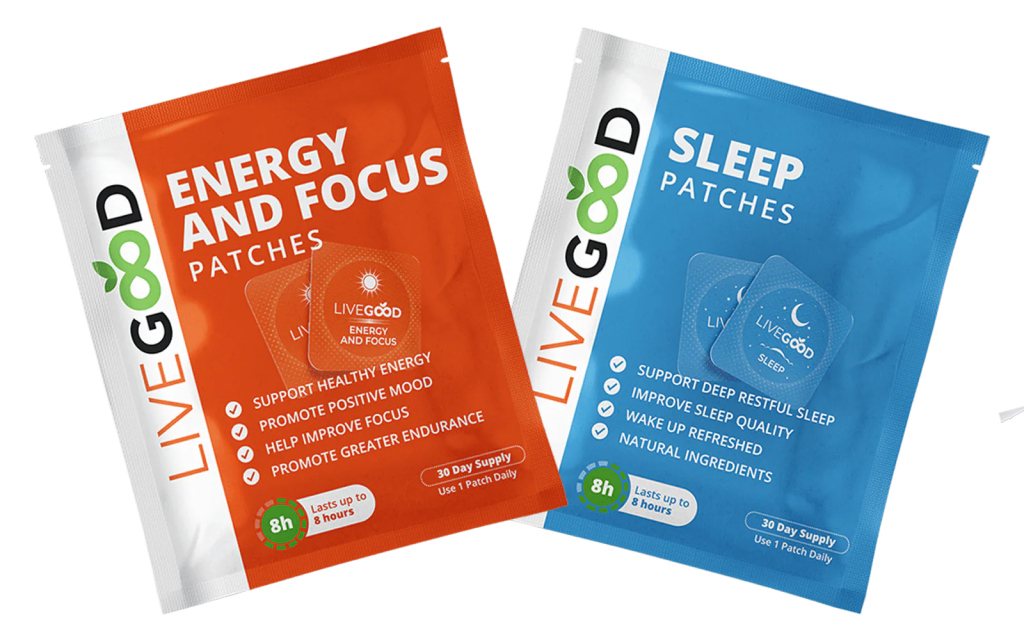
Some people explore supplements or wellness products to support their daily routines. While these can sometimes be helpful, they should be viewed as support rather than a replacement for healthy habits.
If you are interested in exploring wellness products that may support energy routines, you can browse the options available at the Wellthy Freedom Hub store.
Always read ingredient labels carefully and speak with a healthcare professional if you have medical conditions or take medication.
Disclosure: This site may link to products on wellthyfreedomhub.com. If you choose to buy, the store benefits. The guidance here is informational and not medical advice.

Richard Chambers is the founder of rrjchambers.com. He writes about practical ways to improve everyday health, energy, and wellbeing through simple routines, lifestyle habits, and carefully chosen wellness products. His focus is on clear, honest guidance that helps people make small changes that support better health over time.
Health Information Notice
The information in this article is intended for general educational purposes only and should not be considered medical advice. If you have concerns about your health, sleep, or energy levels, it is always best to consult a qualified healthcare professional.