
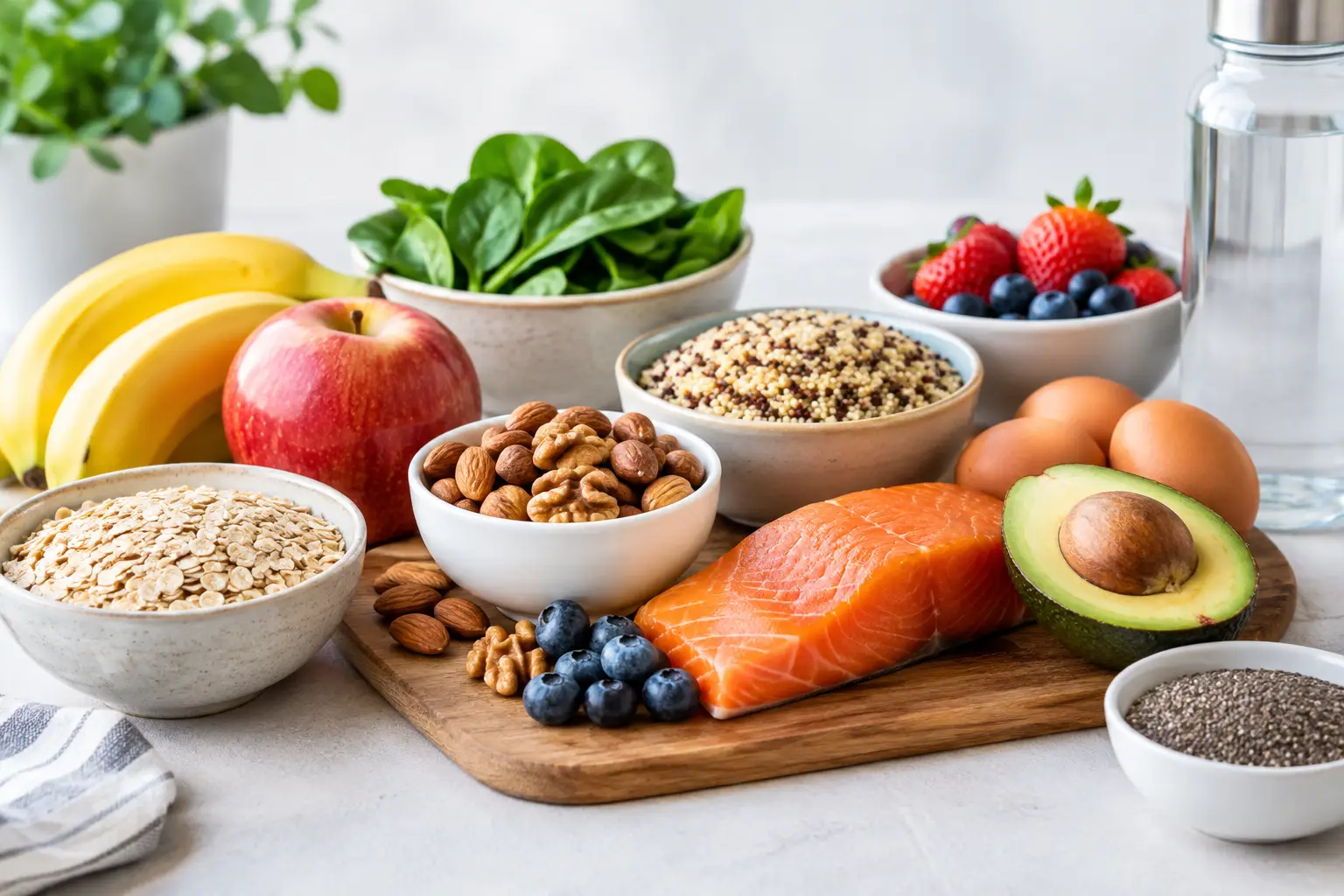
12 Best Foods for Stable Energy Throughout the Day
The best foods for stable energy are rarely the ones sold as an instant fix. A strong coffee and a pastry may get you moving quickly, but the lift often fades just as quickly. For steadier energy, the aim is simpler: eat regular meals built around fibre-rich carbohydrates, protein and healthy fats, then make choices you can repeat on an ordinary Tuesday.
Food is not the only reason people feel tired. Poor sleep, dehydration, low mood, stress, an inactive day and some health conditions can all play a part. But getting meals right removes one common source of the familiar late-morning fog or 3 pm slump.
What makes food good for steady energy?
Your body turns carbohydrate into glucose, which is a key fuel source. The difference is speed. Sugary drinks, sweets and highly refined snacks can raise blood glucose quickly, then leave you hungry or flat soon afterwards. Foods containing fibre take longer to digest, while protein and fat add staying power.
That does not mean you need to avoid all carbohydrates or eat perfectly. It means swapping a breakfast of toast and jam for porridge with yoghurt, for example, or adding beans to a jacket potato rather than eating the potato on its own. The overall meal matters more than any single “superfood”.
The best foods for stable energy
1. Porridge oats
Oats are a dependable breakfast staple because they provide slow-digesting carbohydrate and soluble fibre. A bowl of porridge made with milk, topped with berries and a spoonful of nuts or seeds, is far more likely to carry you through the morning than sugary cereal.
Choose plain oats where possible. Flavoured sachets can be convenient, but some contain a surprising amount of added sugar. If mornings are rushed, make overnight oats the evening before.
2. Eggs
Eggs provide protein and fat, making them useful when breakfast normally leaves you hungry an hour later. Scrambled eggs on wholegrain toast, or boiled eggs with fruit, are simple options that do not require a complicated routine.
Eggs alone may not be enough for a physically active morning. Pair them with fibre-rich bread, beans or vegetables rather than relying on protein by itself.
3. Wholegrain bread and other wholegrains
Wholemeal bread, brown rice, wholewheat pasta, barley and quinoa provide carbohydrate alongside more fibre than their refined equivalents. Fibre slows digestion and helps make meals more filling.
The practical point is not that white bread is forbidden. It is that wholegrain options are often the better default when you want to avoid feeling ravenous soon after lunch. If you prefer white rice, try serving a smaller portion with plenty of vegetables, protein and pulses.
4. Beans, lentils and chickpeas
Pulses are among the most useful foods for stable energy because they combine carbohydrate, fibre and plant protein in one affordable ingredient. Tinned lentils can be stirred into soup, chickpeas can bulk out a curry, and beans work well with eggs on toast or in a baked potato.
If you do not eat many pulses now, start with a small portion. Increasing fibre very quickly can cause bloating for some people, so give your digestion time to adjust and drink enough water.
5. Greek yoghurt or plain yoghurt
Plain yoghurt provides protein and can make a quick breakfast or snack more substantial. Add fruit and oats, or use it with a handful of nuts. Greek yoghurt is often higher in protein, though ordinary plain yoghurt can work just as well within a balanced meal.
Check the label if you buy flavoured varieties. Fruit yoghurt can be convenient, but it may contain more added sugar than you expect.
6. Berries and whole fruit
Fruit is not the cause of an energy crash. Whole fruit contains water and fibre, which changes how it is digested compared with juice or sweets. Apples, pears, oranges, bananas and berries are all sensible choices.
A banana can be particularly useful before a walk, commute or workout. For longer-lasting energy at a desk, pair fruit with yoghurt, cheese, nuts or peanut butter rather than treating it as a full meal.
7. Nuts and seeds
Almonds, walnuts, peanuts, pumpkin seeds and chia seeds offer healthy fats, some protein and useful minerals. They are easy to keep in a desk drawer or bag when you are prone to buying biscuits because lunch feels a long way off.
Portion size matters because nuts are energy-dense. A small handful is usually enough. Choose unsalted varieties most of the time, especially if you are trying to reduce salt intake.
8. Oily fish
Salmon, sardines, mackerel and trout provide protein and omega-3 fats. They will not create a dramatic burst of energy, and that is the point. They are satisfying, nourishing foods that can help make lunch or dinner more balanced.
Tinned sardines or mackerel are affordable cupboard options. Serve them on wholegrain toast with tomatoes, or add salmon to a salad with new potatoes and beans.
9. Leafy greens and colourful vegetables
Spinach, kale, broccoli, peppers and carrots do not contain enough calories to power your day on their own, but they support the quality of your meals. They add fibre and micronutrients, and they make it easier to build a plate that is not dominated by refined carbohydrate.
Aim for vegetables at lunch and dinner without making it a rule that creates stress. A bag of frozen mixed vegetables is often more realistic than buying fresh produce with good intentions and throwing it away on Friday.
10. Potatoes and sweet potatoes
Potatoes are often unfairly treated as a problem food. Boiled, baked or roasted potatoes can be a filling source of carbohydrate, especially when eaten with their skins and paired with protein and vegetables.
The issue is usually the form and the meal around them. Chips with little else are different from a jacket potato with tuna, sweetcorn and salad. Sweet potatoes are a good option too, but they are not automatically better than ordinary potatoes.
11. Chicken, tofu and other protein staples
Protein helps meals feel satisfying, which can reduce the urge to graze on quick sugary snacks. Chicken, turkey, tofu, tempeh, lean mince and cottage cheese can all play the same practical role.
You do not need a high-protein diet or expensive powders. Include a clear protein source in meals you already eat: chicken in a sandwich, tofu in a stir-fry, or cottage cheese on a baked potato.
12. Dark chocolate, in sensible amounts
A small square or two of dark chocolate can be a more satisfying finish to lunch than a large chocolate bar eaten when you are already exhausted. It is not an energy food in the same sense as oats or beans, but allowing enjoyable foods in sensible portions can make a balanced way of eating easier to maintain.
The useful habit is to have it after, or alongside, a proper meal rather than using it as a substitute for one.
Build meals that prevent the slump
You do not need to memorise a list of perfect foods. At most meals, try to include three parts: a fibre-rich carbohydrate, a protein source and some fruit or vegetables. Add a source of fat where it fits naturally, such as olive oil, nuts, seeds or avocado.
For breakfast, that might be porridge, yoghurt and berries. For lunch, it could be a wholemeal wrap with chicken, hummus and salad, plus fruit. For dinner, try salmon, potatoes and broccoli. These are normal meals, not a wellness project.
Regular timing can help too. Skipping lunch may suit some people, but for many busy workers it simply leads to low concentration and overeating later. If your afternoons are consistently difficult, look first at whether breakfast was mostly sugar, lunch was too small, or you went too long without eating.
Caffeine deserves a mention. Coffee can improve alertness, but it cannot replace food, water or sleep. Having several coffees instead of lunch can make you feel wired, then drained, and late caffeine may also interfere with the sleep you need to feel better tomorrow.
When food is not the whole answer
A better lunch will not fix persistent exhaustion caused by poor sleep, heavy snoring, medication, iron deficiency, thyroid problems or another medical issue. If tiredness has lasted for several weeks, affects daily life, or comes with unexplained weight change, breathlessness, palpitations or low mood, speak to your GP.
For everyone else, start small. Change one regular breakfast or upgrade one weekday lunch this week. Steadier energy usually comes from these ordinary, repeatable choices, not from a dramatic food rule you cannot keep.