
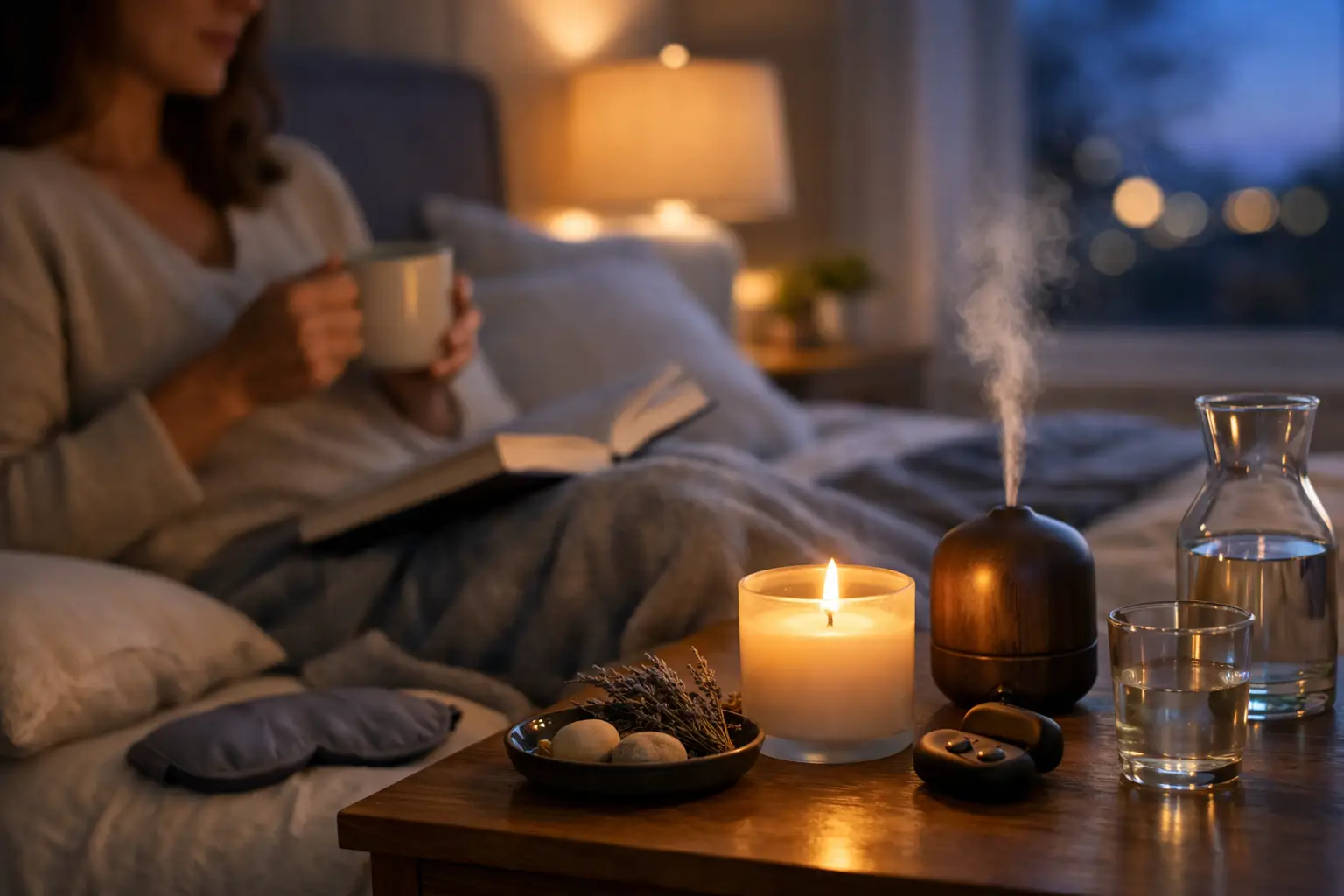
9 Best Evening Habits for Deeper Sleep
You can usually tell by 9 pm how the night is going to go. If your mind is still racing, the lights are bright, and you’ve had a late tea or a scroll-heavy evening, sleep often feels harder than it should. The best evening habits for deeper sleep are not glamorous, but they do make a real difference because they help your body shift out of alert mode and into rest.
That matters if you are tired of waking up unrefreshed despite spending enough hours in bed. For most people, better sleep is less about finding a miracle fix and more about removing the small things that keep the brain and body switched on too late. Your evening routine sets the tone for the quality of sleep you get, not just whether you eventually drift off.
Why evening habits matter more than people think
Sleep does not start the moment your head hits the pillow. It starts in the hours before bed, when your body is taking cues from light, food, movement, stress, and routine. If those cues are inconsistent, your internal clock has to work harder.
This is one reason people can feel exhausted but still not sleep deeply. You may be physically tired, but your nervous system is not properly winding down. Bright indoor lighting, late meals, alcohol, heavy screen use, and irregular bedtimes can all blur the signal that night has begun.
The good news is that evening habits are often easier to change than daytime demands. You may not control every meeting, school run, or deadline, but you can shape the last one to three hours before bed more than you think.
The best evening habits for deeper sleep
Dim the lights earlier than feels necessary
One of the most overlooked habits is simply lowering light levels in the evening. Bright light after sunset can suppress melatonin, the hormone that helps signal sleep. Overhead lighting, kitchen spotlights, and bright bathroom mirrors can all keep you feeling more alert than you realise.
Aim to make your home look and feel calmer in the last couple of hours before bed. Use lamps instead of the big light where possible. Warm-toned bulbs can help, but the biggest win is often brightness, not buying something expensive. A dimmer environment gives your brain a clearer message that the day is ending.
If you work late or have children, perfection is not realistic. Still, even reducing brightness for the final hour can help.
Keep your bedtime and wind-down time fairly consistent
Your body likes rhythm. Going to bed at wildly different times during the week makes it harder to feel properly sleepy when you want to. That does not mean you need a rigid schedule down to the minute, but a regular range helps.
A sensible target is to keep bedtime and wake time within roughly the same hour each day, including weekends where possible. Just as useful is having a repeatable wind-down point. That might be 9.30 pm, when you tidy up, wash, change, and stop doing anything mentally demanding.
Consistency matters more than intensity here. A simple routine repeated most nights beats an elaborate one you abandon after three days.
Be careful with late caffeine, even if you think it does not affect you
Many people say they can drink tea or coffee late and still fall asleep. Sometimes that is true in the sense that they do fall asleep. The issue is that caffeine can still reduce sleep depth or leave sleep feeling lighter and more fragmented.
How early you need to stop depends on your sensitivity and the amount you drink. For some, a 3 pm coffee is fine. For others, even a strong tea in the early evening is enough to interfere. If you regularly struggle with restless sleep, cutting caffeine earlier is one of the most useful experiments you can run.
It is worth checking hidden sources too, such as cola, energy drinks, pre-workout products, and dark chocolate.
Finish dinner early enough to feel settled, not full
A heavy late meal can leave your body doing digestive work when you are trying to sleep. That can mean discomfort, reflux, overheating, or just a general sense of restlessness in bed. On the other hand, going to bed genuinely hungry can also be disruptive.
For most people, eating dinner two to three hours before bed is a good middle ground. If you need something later, keep it light and easy to digest. Think yoghurt, a banana, oatcakes, or something similarly simple rather than a large meal or rich dessert.
This is especially relevant if you often wake in the night feeling uncomfortable or too warm. Food timing is not the only cause, but it is a common one.
Go easy on alcohol if deeper sleep is the goal
Alcohol can make people feel drowsy, which is why it is often mistaken for a sleep aid. In reality, it tends to reduce sleep quality later in the night. You may nod off more quickly but wake more often, sleep more lightly, or feel less restored in the morning.
That does not mean everyone needs to avoid it completely. It does mean being honest about the trade-off. If you notice broken sleep after an evening drink, earlier timing, smaller amounts, or alcohol-free evenings may help more than another sleep gadget ever will.
Give your brain a proper landing strip
A lot of poor sleep is not caused by lack of tiredness. It is caused by mental carry-over. You stop working, then go straight into bed with tomorrow’s worries still active in your head. That can keep your stress response slightly elevated, even if you are physically still.
A short mental reset helps. This does not need to be meditation if that is not your thing. It can be ten minutes of reading something undemanding, a warm shower, light stretching, or writing down what is on your mind and what needs doing tomorrow.
The key is choosing something that lowers stimulation rather than replacing one type of input with another. If your wind-down still includes emails, news, or intense telly, it may not be much of a wind-down.
Screens and sleep: what actually matters
People often hear that screens are bad for sleep and stop there. The fuller answer is that it depends on what you are doing, how close to bed you do it, and how alert it leaves you feeling.
Blue light gets most of the attention, and it is relevant, but content matters too. Doomscrolling, work messages, gaming, and emotionally charged videos can keep your brain switched on even if you use night mode. By contrast, twenty minutes of low-key viewing at low brightness may be less of an issue for some people.
If screens are part of your evening, try making them less stimulating in the final hour. Lower brightness, avoid work, and put a clear stopping point in place. Better still, charge your phone outside the bedroom if you can. That removes the temptation to keep checking it and reduces the chance of late-night wake-ups turning into half an hour online.
Set up your bedroom before you are tired
The best bedroom for sleep is usually boring. Cool, dark, quiet, and uncluttered tends to work better than anything clever. If your room is too warm, too bright, or full of reminders of work and unfinished tasks, sleep can feel shallower.
A few practical checks make a difference. Keep the room comfortably cool. Use blackout curtains if outside light is a problem. Reduce standby lights where possible. If noise is an issue, simple earplugs or steady background sound can help.
It is easier to do this before your evening routine starts than when you are already exhausted. Think of it as preparing the room to support you instead of expecting yourself to sleep well despite it.
A note on exercise and late evenings
Movement during the day generally supports better sleep, but the timing can be individual. Some people sleep perfectly well after an evening gym session. Others find vigorous exercise too close to bed leaves them wired.
If that sounds familiar, shift intense training earlier and keep late movement gentler. A short walk after dinner or some easy mobility work can help digestion and signal the end of the day without pushing your system back into high gear.
Build an evening routine you can keep
The best evening habits for deeper sleep are the ones you will actually repeat on an ordinary Tuesday. That usually means choosing two or three changes that fit your life rather than trying to overhaul everything at once.
You might start by dimming lights after 8.30 pm, having your last caffeine by 2 pm, and keeping your phone out of the bedroom. Or you might focus on earlier dinners and a ten-minute wind-down after the children are in bed. Small changes count, especially when they reduce stimulation night after night.
If your sleep is still consistently poor despite sensible habits, or you snore heavily, gasp in sleep, wake with headaches, or feel extremely tired in the day, it is worth speaking to a GP. Good habits help, but they are not a substitute for proper assessment when something more significant may be going on.
Sleep tends to improve quietly. Often there is no dramatic turning point, just a few evenings done better and a morning when you realise you feel more like yourself again.
Further Reading
If you enjoyed this article you might like to read these articles.
- Why Do I Feel Tired After Sleeping?
- The Real Guide to Daily Energy
- Why Do I feel Tired In The Afternoon?
The role of wellness products

Some people explore supplements or wellness products to support their daily routines. While these can sometimes be helpful, they should be viewed as support rather than a replacement for healthy habits.
If you are interested in exploring wellness products that may support energy routines, you can browse the options available at the Wellthy Freedom Hub store.
Always read ingredient labels carefully and speak with a healthcare professional if you have medical conditions or take medication.
Disclosure: This site may link to products on wellthyfreedomhub.com. If you choose to buy, the store benefits. The guidance here is informational and not medical advice.

Richard Chambers is the founder of rrjchambers.com. He writes about practical ways to improve everyday health, energy, and wellbeing through simple routines, lifestyle habits, and carefully chosen wellness products. His focus is on clear, honest guidance that helps people make small changes that support better health over time.
Health Information Notice
The information in this article is intended for general educational purposes only and should not be considered medical advice. If you have concerns about your health, sleep, or energy levels, it is always best to consult a qualified healthcare professional.