
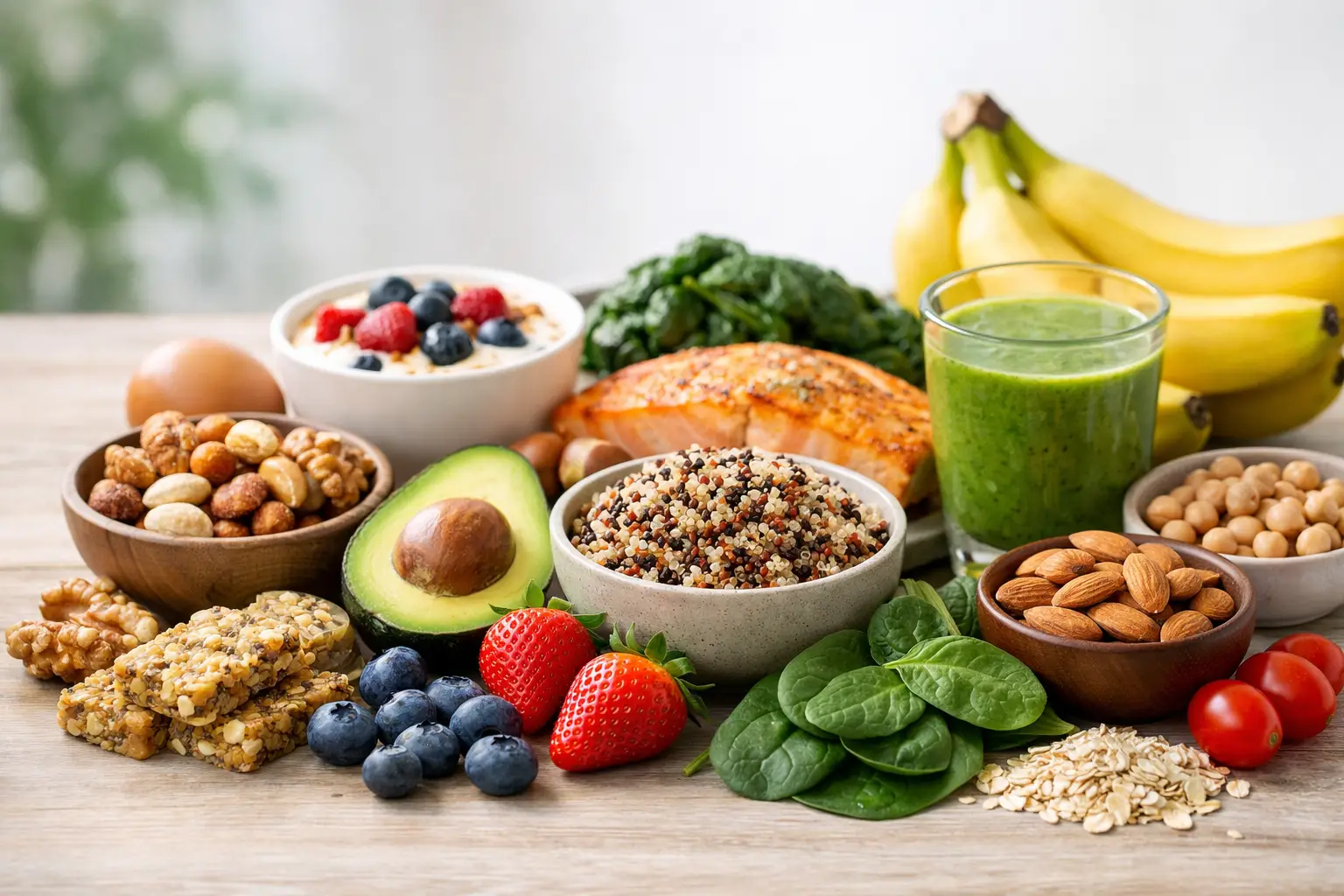
10 Best Foods for Sustained Energy
This article contains affiliate links. If you buy through them I may earn a small commission at no extra cost to you.
You can usually trace an energy slump back to something fairly ordinary – a skipped breakfast, a beige lunch, too much sugar, not enough fluid, or a meal that filled you up without actually keeping you going. If you are looking for the best foods for sustained energy, the aim is not to find a magic ingredient. It is to build meals that release energy steadily, help keep blood sugar more stable, and leave you feeling alert rather than wired and then drained.
That matters more than most people realise. Many adults who feel tired through the day are not dealing with a single dramatic problem. More often, they are running on meals and snacks that give quick lift but poor staying power. Food will not fix every cause of fatigue, but it can make a noticeable difference to your concentration, mood and stamina when you get the basics right.
What makes food good for sustained energy?
The best foods for sustained energy tend to have a few things in common. They digest at a reasonable pace, contain fibre, protein or healthy fats, and do not send your blood sugar sharply up and down. In plain terms, they help you avoid the cycle of feeling hungry an hour after eating, reaching for caffeine or biscuits, and then crashing again mid-afternoon.
This is one reason highly refined foods can be unhelpful when you are already tired. Sugary cereals, pastries, sweets and white bread can give fast energy, but that is not the same as lasting energy. They are not “bad” in a moral sense, and there is room for them in normal life, but if they make up the backbone of your diet, energy can feel patchy.
By contrast, foods built around slow-release carbohydrates, protein and fibre are usually more reliable. Think porridge instead of sugary cereal, eggs on wholegrain toast instead of a pastry, or yoghurt with fruit and nuts instead of a chocolate bar grabbed between meetings.
10 best foods for sustained energy
Oats
Oats are one of the easiest places to start. They are rich in fibre, especially beta-glucan, which helps slow digestion and can keep you fuller for longer. A bowl of porridge made with milk or a fortified plant drink, plus fruit and seeds, is a practical breakfast for busy mornings.
Instant flavoured sachets are convenient, but many are high in added sugar. Plain oats give you more control and usually better staying power.
Eggs
Eggs are useful because they provide protein without much fuss. Protein helps meals feel more satisfying and can support steadier energy across the morning or afternoon. Eggs also work in real life – boiled in advance, scrambled on toast, or added to a quick lunch.
If you tend to feel hungry soon after breakfast, adding eggs can make a clear difference. Pairing them with wholegrain toast or vegetables works better than eating them alongside white bread and sugary sauces.
Greek yoghurt
Greek yoghurt is a strong option for breakfast or a snack because it combines protein with convenience. It can help bridge the gap between meals without the sharp rise and fall you often get from sweet snack foods.
Choose a plain version where possible and add berries, oats or a small handful of nuts. Fruit-on-the-bottom varieties are not automatically off limits, but they are often sweeter and less filling than a simple mix you put together yourself.
Nuts and seeds
Almonds, walnuts, pumpkin seeds and chia seeds are small foods that do a lot of work. They provide healthy fats, some protein and useful minerals, and they slow a meal or snack down in the best way.
That said, portion size matters. Nuts are nutritious, but they are energy-dense, so a modest handful is usually enough. They are most useful as part of a snack or meal rather than something you mindlessly eat from a large bag at your desk.
Bananas
Bananas are often dismissed as just a quick carb, but they are more useful than that. They are easy to digest, contain natural carbohydrate for fuel, and offer some fibre and potassium. For many people, they are a practical pre-work snack or a good addition to breakfast.
On their own, they may not keep you full for very long. Paired with peanut butter, yoghurt or oats, they become much more effective for sustained energy.
Wholegrain bread and wholegrain cereals
Wholegrain carbohydrates are often more helpful than refined versions because they contain more fibre and usually release energy more gradually. Wholegrain toast, seeded bread, brown rice and wholegrain cereals can all play a part.
This is not about perfection. If you prefer white bread occasionally, fine. But if your usual meals leave you tired and hungry, swapping some refined carbohydrates for wholegrain versions is one of the simplest changes to try.
Beans and lentils
Beans, chickpeas and lentils are some of the most underrated foods for stable energy. They combine carbohydrate, fibre and protein in one package, which makes them particularly useful at lunch when many people start to lose steam.
A lentil soup, chickpea salad or bean-based stew tends to keep you going better than a meal built mainly from white pasta or a sandwich with little substance. They are also affordable, which helps if you are trying to eat better without turning every shop into a health project.
Sweet potatoes
Sweet potatoes provide carbohydrate, fibre and a range of nutrients, and they tend to be satisfying without feeling overly heavy. They work well at lunch or dinner when you want a source of energy that supports the next few hours rather than knocks you flat.
Regular potatoes can also be part of a steady-energy diet, especially boiled or baked with a balanced meal. The key is less about whether a potato is ordinary or sweet, and more about what else is on the plate.
Oily fish
Salmon, mackerel and sardines may not be the first foods people think of for energy, but they deserve a place here. They provide protein and omega-3 fats, and they can make meals more satisfying and supportive of overall wellbeing.
Not everyone likes fish, and it is not essential at every meal. But having it a couple of times a week can be a practical addition if it suits your budget and tastes.
Berries
Berries are useful because they add fibre, fluid and natural sweetness without tipping a meal too far towards sugar. They work well with yoghurt, porridge or overnight oats and are an easy upgrade to breakfast or snacks.
Fresh or frozen both work. Frozen berries are often cheaper and just as practical once stirred into porridge or yoghurt.
How to build meals that keep energy steady
A single food rarely fixes low energy on its own. What matters more is the combination. A meal that contains a source of slow-release carbohydrate, some protein, and a little healthy fat is usually far better for steady energy than one based mostly on refined carbs.
Breakfast might be porridge with milk, berries and seeds. Lunch could be a wholegrain wrap with chicken or hummus and salad, or lentil soup with seeded toast. For dinner, think salmon with potatoes and veg, or a bean chilli with brown rice.
Snacks can help too, but only if they actually bridge the gap rather than create another spike and dip. Greek yoghurt, fruit with nuts, oatcakes with peanut butter, or boiled eggs are all more useful than the sort of snack that tastes good for ten minutes and then leaves you looking for more.
Why timing matters as much as food choice
You can eat all the right foods and still feel drained if your eating pattern is chaotic. Long gaps without food can leave you overeating later, reaching for sugar, or leaning on caffeine to get through the afternoon.
That does not mean everyone needs to eat little and often. Some people feel better with three solid meals. Others do well with meals and one snack. It depends on your routine, appetite and activity level. The practical test is simple: if you regularly become shaky, irritable or ravenous, your current pattern may not be working.
Hydration matters as well. Mild dehydration can make tiredness and poor concentration feel worse. Sometimes what feels like an energy problem is partly a fluid problem, especially if you drink lots of tea and coffee but not much water.
A few realistic trade-offs to keep in mind
Healthy eating advice often sounds cleaner on paper than it does in daily life. You may not have time to cook every lunch from scratch, and you do not need to. The better question is what is realistic on your busiest days.
If you rely on convenience food, aim for better convenience rather than perfection. A supermarket soup with decent protein, a pot of yoghurt and fruit, or wholegrain toast with peanut butter is still a useful step up from skipping meals and living on biscuits.
It is also worth saying that persistent fatigue is not always about food. Poor sleep, stress, low activity, medication, low iron, thyroid issues and other health problems can all play a part. If your tiredness is ongoing or out of proportion to your routine, it is sensible to speak to a GP.
The best approach is usually the least glamorous one: choose foods that fill you properly, keep meals simple enough to repeat, and notice how you feel afterwards. No hype. Just simple habits that work, especially when you do them often enough to matter.
Recommended products on Amazon UK
Porridge oats – the foundation
Mornflake Jumbo Oats are a well-established UK brand and genuinely one of the better oat options available. Jumbo oats are less processed than instant oats, which means they digest more slowly and provide more sustained energy rather than a quick spike and crash. A bowl in the morning with some nuts stirred in covers several of the foods in this article at once.
Nut butter – for magnesium and healthy fats
Meridian Almond Butter is made from 100% almonds with nothing added, no palm oil, no sugar, no salt. It is one of the more honest nut butters on Amazon UK and genuinely provides the magnesium and healthy fat content that makes almonds worth eating. A tablespoon on oatcakes or stirred into porridge is a practical daily addition.
Omega-3 – for sustained brain energy
Persistent low energy and difficulty concentrating are sometimes linked to low omega-3 intake, particularly in people who don’t eat oily fish regularly. Solgar Triple Strength Omega-3 is one of the more consistently recommended fish oil supplements on Amazon UK, higher EPA and DHA per capsule than most budget options, which means fewer capsules needed. Check with your GP first if you take blood thinning medication.
B vitamin complex – for energy metabolism
B vitamins are directly involved in converting food into usable energy, and deficiency – particularly B12 and B6 – is common in people over 60 and often goes undiagnosed. A Vitamin B Complex supplement is worth considering alongside dietary changes rather than instead of them. Look for one that includes methylcobalamin (the active form of B12) rather than cyanocobalamin, which is less well absorbed.
Mixed nuts – practical daily snack
A small bag of unsalted mixed nuts kept on the kitchen counter is one of the most practical energy-supporting habits you can build. Walnuts, Brazil nuts, and almonds are particularly useful – walnuts for omega-3, Brazil nuts for selenium, almonds for magnesium. Buying in bulk is significantly cheaper per portion than individual snack packs.
The foods in this article work best as a consistent daily pattern rather than occasional additions. Small changes, oats instead of toast, nuts instead of biscuits, a B complex with breakfast, tend to produce noticeable results within two to four weeks if maintained regularly.
Further Reading
If you enjoyed this article you might like to read these articles.
- Foods That Naturally Support Energy Levels
- The Real Guide to Daily Energy
- 10 Best Foods for Sustained Focus
The role of wellness products

Some people explore supplements or wellness products to support their daily routines. While these can sometimes be helpful, they should be viewed as support rather than a replacement for healthy habits.
If you are interested in exploring wellness products that may support energy routines, you can browse the options available at the Wellthy Freedom Hub store.
Always read ingredient labels carefully and speak with a healthcare professional if you have medical conditions or take medication.
Disclosure: This site may link to products on wellthyfreedomhub.com. If you choose to buy, the store benefits. The guidance here is informational and not medical advice.

Richard Chambers is the founder of rrjchambers.com. He writes about practical ways to improve everyday health, energy, and wellbeing through simple routines, lifestyle habits, and carefully chosen wellness products. His focus is on clear, honest guidance that helps people make small changes that support better health over time.
Health Information Notice
The information in this article is intended for general educational purposes only and should not be considered medical advice. If you have concerns about your health, sleep, or energy levels, it is always best to consult a qualified healthcare professional.