
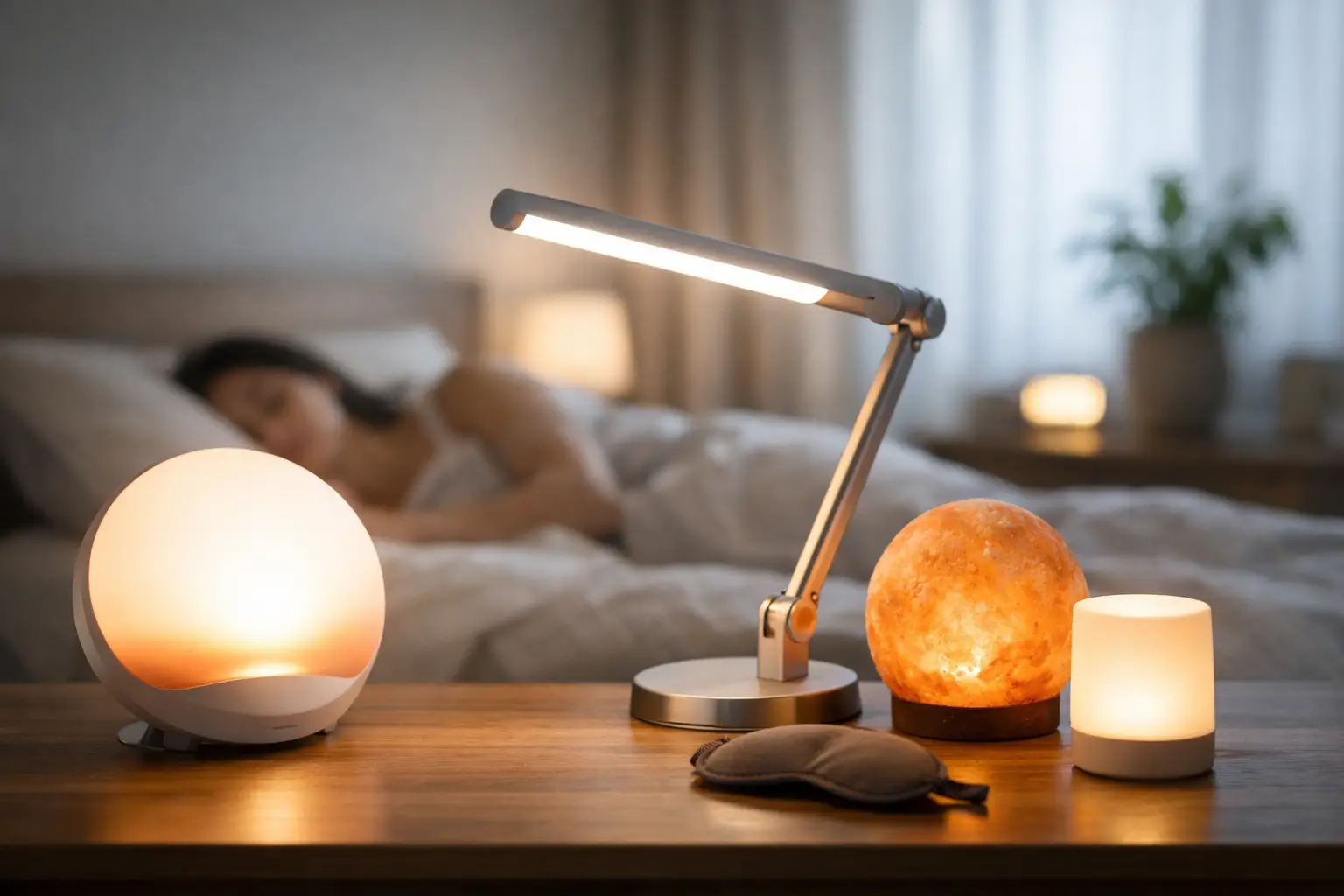
Best Lamp for Circadian Rhythm: What to Buy
If you feel half-awake until late morning, then oddly alert at night, your lighting may be working against you. Finding the best lamp for circadian rhythm is less about buying the most expensive model and more about choosing a light that helps your body tell day from evening.
That matters because your circadian rhythm responds strongly to light exposure, especially in the first part of the day. Bright, blue-enriched light in the morning can help you feel more alert and support a more consistent sleep-wake pattern later on. Warm, dimmer light in the evening does the opposite. A lamp can help, but only if you use the right type in the right way.
What the best lamp for circadian rhythm actually needs to do
A lot of products make sweeping claims about fixing sleep, boosting mood and improving focus all at once. In reality, a circadian-friendly lamp has a simpler job. It should give you enough appropriately timed light to support alertness during the day without making evenings feel like midday.
For most people, the best option is either a bright light therapy lamp for mornings or a tunable lamp that changes brightness and colour temperature across the day. These are not quite the same thing. A light therapy lamp is designed to deliver a strong dose of light, often for 20 to 30 minutes after waking. A tunable lamp is more about shaping your home or desk environment over longer periods.
If your main problem is dark winter mornings, difficulty waking or sluggishness during early work hours, a dedicated morning light may be more useful. If you work from home, spend long hours indoors or want better light cues from morning to evening, a tunable lamp may suit you better.
Brightness matters more than clever features
This is the part many product pages glide past. For circadian support, brightness is usually more important than app controls, voice settings or attractive design.
Light therapy lamps are often measured in lux, which is a way of describing how much light reaches you. A common benchmark is 10,000 lux at a specified distance, often around 15 to 30 cm. That does not mean brighter is always better, or that you should stare directly into it. It means the lamp should be strong enough to have a meaningful effect when placed properly.
A stylish bedside lamp with a “daylight” bulb may look pleasant, but it is unlikely to do much for your circadian rhythm if it is too dim. This is where people often waste money. They buy a lamp that creates a nice atmosphere, but not one that gives a strong enough daylight signal.
For general daytime use, especially at a desk, brightness still matters, but so does coverage. A tiny light source aimed at one corner of your face is less useful than a broader light that illuminates your workspace well.
Colour temperature has a role, but it is not the whole story
You will often see lamps marketed as warm white, cool white or full spectrum. These terms can be helpful, but they are not magic.
Cooler light, often in the 5000K to 6500K range, feels more like daylight and is generally better suited to mornings and daytime alertness. Warmer light, often around 2700K to 3000K, is better for evenings because it is less likely to signal “daytime” to your brain.
Still, colour temperature should not distract from intensity. A cool white lamp that is too dim will not do much. A bright morning lamp with the right intensity is usually more effective than a weak bulb labelled full spectrum.
This is why the best lamp for circadian rhythm often ends up being a combination approach. One brighter, cooler light for morning use, and warmer, lower lighting later in the day. It does not need to be complicated, but it does need to match how your body responds to light.
Features worth paying for and features you can ignore
Some extras are genuinely useful. Others are there to justify a higher price.
A timer is helpful if you want a set morning routine. Adjustable brightness is useful because not everyone tolerates the same intensity straight away. Adjustable colour temperature matters if the lamp is intended for all-day use rather than a short morning session.
A sunrise alarm can also help if you struggle badly with dark mornings. It will not replace daylight exposure, but it can make waking feel less abrupt, especially in winter.
On the other hand, you do not need a lamp with endless smart features, built-in speakers or elaborate wellness modes. Most people who feel tired are not lacking a Bluetooth connection. They need brighter light at the right time and less harsh light late at night.
The best type of lamp for different situations
The right choice depends on why you want one in the first place.
For dark winter mornings
A proper light therapy lamp is usually the best fit. Look for one that clearly states its lux output and the distance at which that output is achieved. Use it soon after waking while reading, working or eating breakfast. You should not need to sit in silence facing it like a medical procedure.
For home working and daytime fatigue
A larger desk lamp or floor lamp with high brightness and cooler daytime settings can make a real difference, especially if your room gets poor natural light. This will not always reach therapy-lamp levels, but it can create a much better daytime environment than a dim overhead bulb.
For evening wind-down
A warm, dimmable lamp is better than a bright white ceiling light. In the evening, your goal changes. You are no longer trying to stimulate alertness. You are trying to make the room feel quieter to your nervous system.
For shift workers or irregular schedules
This gets more complicated. Timing matters even more than the lamp itself, and mistakes can make sleep harder. If your schedule changes often, a lamp may still help, but you need to be more deliberate about when you use bright light and when you avoid it.
How to use a circadian lamp properly
A good lamp will not do much if your timing is poor. Morning light works best when it happens early in your day, ideally within the first hour after waking. For many people, 20 to 30 minutes is enough to start with.
Position matters too. The light should reach your eyes indirectly while you get on with something else. You do not need to look directly at it, and you should not if it feels uncomfortable.
Consistency is where the real benefit often shows up. Using a lamp once or twice when you are tired is not the point. The body responds better to repeated cues. If your mornings are dark for months, regular use is far more useful than occasional use.
At the same time, do not expect a lamp to undo every other problem. If you stay up late under bright screens, sleep at different times every night and rarely go outdoors, lighting support will only get you so far. It helps best as part of a broader rhythm, not as a workaround for constant disruption.
Common mistakes people make when buying one
The first mistake is choosing based on looks alone. If it is for circadian support, performance comes before style.
The second is ignoring distance. A lamp may advertise 10,000 lux, but only when it is very close. If you plan to place it across the desk, the actual intensity reaching you may be much lower.
The third is using bright light too late. This is especially common with cool, bright desk lamps used into the evening. If you are trying to feel sleepy at 10.30 pm, a daylight-bright lamp at 8.30 pm is not helping.
The fourth is expecting a lamp to cure tiredness with no other changes. If your bedroom is too warm, your bedtime is all over the place or you are living on caffeine and short sleep, lighting is only one part of the picture.
So what is the best lamp for circadian rhythm?
For most adults, the best lamp for circadian rhythm is one of two things: a genuine light therapy lamp for morning use, or a bright, adjustable lamp that provides cool light by day and warm light by evening. The better choice depends on whether your main issue is waking up in darkness, working indoors all day, or struggling to switch off at night.
If you want the simplest answer, start with your weakest point. If mornings are the problem, prioritise a lamp with strong lux output for early use. If your whole home feels dim and flat during the day, focus on improving ambient daytime light and reducing harsh, bright light at night.
No hype. Just simple habits that work. The right lamp can help your body keep better time, but the real win is what that looks like in daily life – steadier energy, easier mornings and evenings that actually feel like evening.
Further Reading
If you enjoyed this article you might like to read these articles.
- Why Do I Feel Tired After Sleeping?
- The Real Guide to Daily Energy
- Why Do I feel Tired In The Afternoon?
The role of wellness products

Some people explore supplements or wellness products to support their daily routines. While these can sometimes be helpful, they should be viewed as support rather than a replacement for healthy habits.
If you are interested in exploring wellness products that may support energy routines, you can browse the options available at the Wellthy Freedom Hub store.
Always read ingredient labels carefully and speak with a healthcare professional if you have medical conditions or take medication.
Disclosure: This site may link to products on wellthyfreedomhub.com. If you choose to buy, the store benefits. The guidance here is informational and not medical advice.

Richard Chambers is the founder of rrjchambers.com. He writes about practical ways to improve everyday health, energy, and wellbeing through simple routines, lifestyle habits, and carefully chosen wellness products. His focus is on clear, honest guidance that helps people make small changes that support better health over time.
Health Information Notice
The information in this article is intended for general educational purposes only and should not be considered medical advice. If you have concerns about your health, sleep, or energy levels, it is always best to consult a qualified healthcare professional.