Daily Movement for Office Workers That Works
Daily movement for office workers can ease stiffness, improve focus and support better sleep. Build simple movement breaks into a normal working day well.
This section explores practical ways to improve daily energy levels through lifestyle habits, nutrition, sleep quality, and stress management.
Many people experience fatigue without fully understanding the underlying causes. The articles in this section aim to explain the most common reasons people feel tired and offer realistic suggestions that may help support better energy throughout the day.
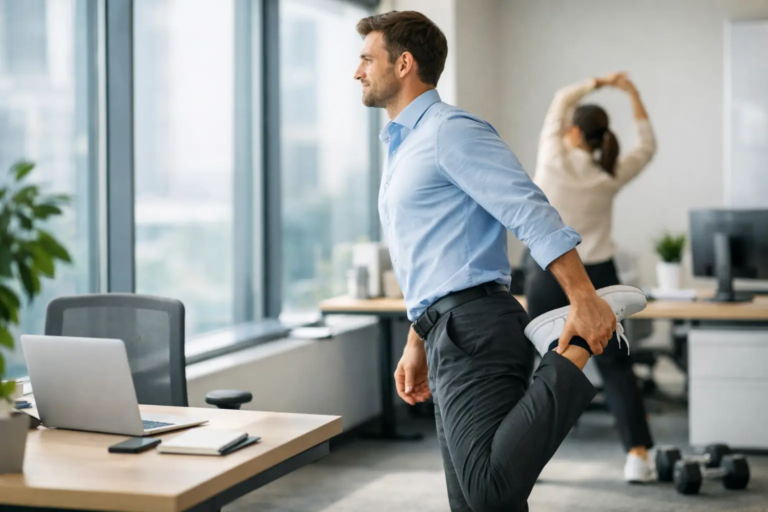
Daily movement for office workers can ease stiffness, improve focus and support better sleep. Build simple movement breaks into a normal working day well.

Morning fatigue causes are often practical: poor sleep timing, light, stress, diet or health issues. Learn what to check first and when to speak to a GP.

Morning walk vs coffee: compare the quick lift of caffeine with daylight and movement, then build a morning routine that supports steadier energy all day.

Protein breakfast vs cereal: see which better supports steady morning energy, fuller focus and a practical routine you can keep on busy weekdays at home.

The best snacks for afternoon energy balance protein, fibre and flavour to help you avoid the 3pm slump without relying on another coffee during work.

Why do I feel drained indoors? Learn how light, air, movement, screens and routine can sap your energy, plus simple changes that can make home feel better.

Learn how to create energy supporting routines with practical habits for sleep, food, movement and light that fit a busy, ordinary UK day without rigid rules.

This guide to reducing daily fatigue explains the everyday habits that support steadier energy, better sleep and fewer afternoon slumps at work each day.

Learn how to avoid energy crashes with steady meals, better sleep, daylight, movement and practical routines for busy working days, without false promises.

Healthy routines for tired adults can improve sleep, steadier energy and focus. Start with small daily habits that fit ordinary working life without fuss.

What helps with post lunch tiredness? Learn the everyday habits that steady afternoon energy, from a smarter meal and daylight to short walks and sleep.

Can poor posture cause fatigue? Learn how prolonged sitting, muscle tension and shallow breathing can drain energy, plus practical ways to feel better daily.