
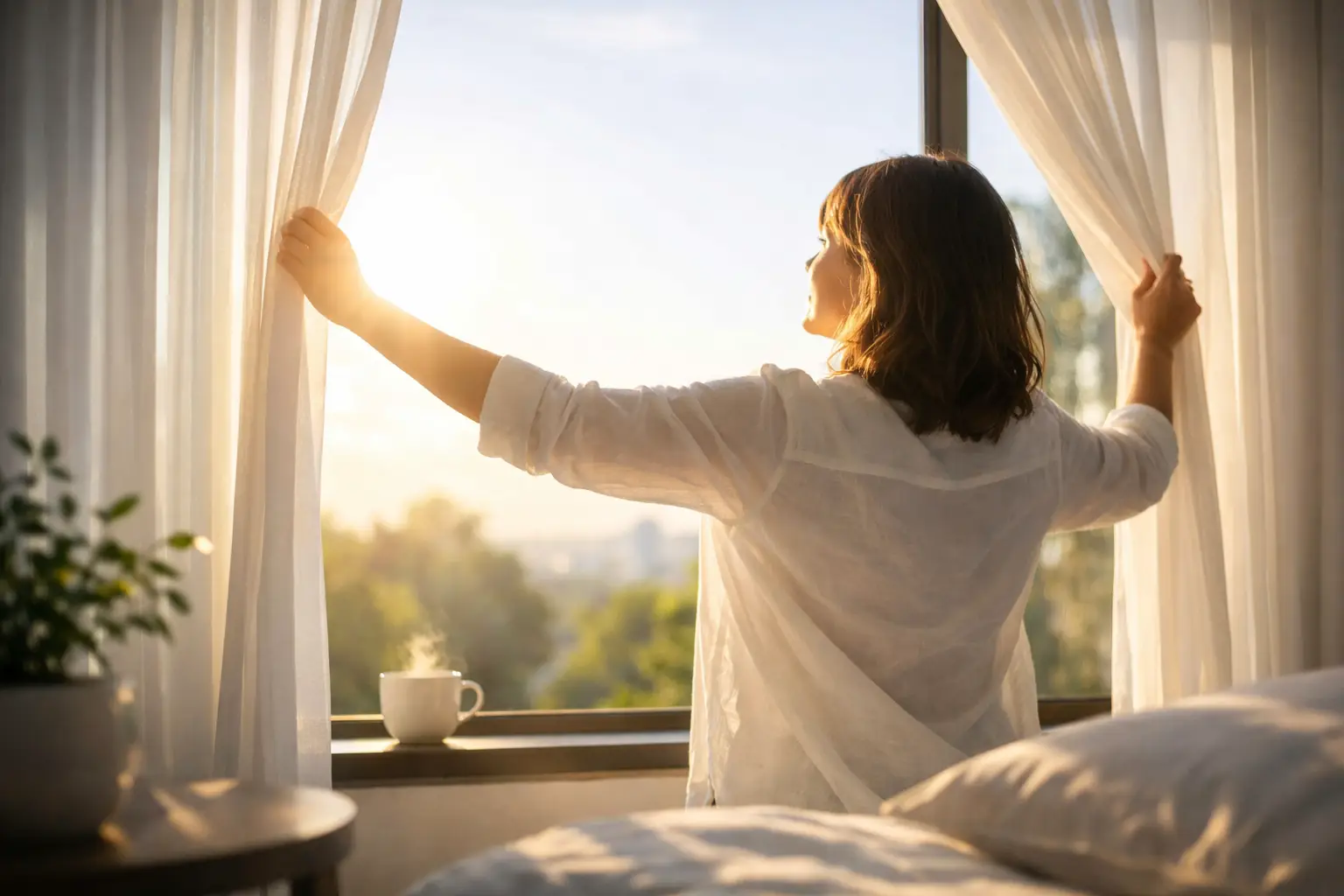
Natural Light in the Morning Matters
You can drink a strong coffee at 8am and still feel half asleep by 10. For many people, the missing piece is not willpower, supplements or a more complicated routine. It is natural light in the morning.
That sounds almost too simple, but it makes a real difference. Light is one of the main signals that tells your body when to feel awake and when to prepare for sleep later on. If your mornings are dim, spent indoors or start with a mobile phone screen in bed, your body can end up running on mixed signals.
Why natural light in the morning helps
Your body works on a roughly 24-hour rhythm, often called the circadian rhythm. This affects alertness, sleep timing, hormone release, body temperature and even appetite. Morning light helps set that internal clock.
When bright natural light reaches your eyes soon after waking, it sends a clear message to the brain that the day has started. That helps reduce melatonin, the hormone linked with sleepiness, and supports a healthier rise in alertness. It also helps anchor the timing of your body clock so you are more likely to feel sleepy at a sensible hour later that evening.
This is why some people feel groggy in the morning, flat in the afternoon and oddly wide awake at night. Their days may start in low light and end under bright indoor lighting or screens. The body reads that pattern poorly.
Natural daylight is usually much brighter than indoor lighting, even on a cloudy day in the UK. A typical room can look bright enough to work in, but from your body’s point of view it may still be relatively dim. Stepping outside for even a short period often gives you far more useful light than sitting near a window all morning.
What benefits can you realistically expect?
This is not a miracle fix, and it will not cancel out very late nights, chronic stress or an erratic sleep schedule. But regular morning light can support better energy, steadier mood and easier sleep onset over time.
Many people notice that they feel more properly awake earlier in the day. There can also be a knock-on effect later, with fewer feelings of being tired but wired in the evening. If your current routine involves waking in darkness, rushing straight into work and barely going outside until lunch, this change can feel surprisingly noticeable.
It may also help with consistency. The body likes repeated timing. Getting light at broadly the same time each morning can reinforce a more stable sleep-wake pattern, which is often what tired adults need most.
How much morning light do you need?
For most people, a useful target is 10 to 30 minutes of outdoor natural light in the morning, ideally within the first hour after waking. If the day is bright, 10 minutes may be enough. If it is overcast, you may need longer. In winter, especially in the UK, aiming closer to 20 to 30 minutes is often more realistic.
This does not mean staring at the sun. In fact, do not do that. It simply means being outside in daylight so your eyes receive a strong light signal naturally.
If you can manage more than 30 minutes through a walk, school run or commute, that is fine. If you can only manage 5 or 10 minutes at first, that is still better than none. The point is consistency, not perfection.
Is sitting by a window enough?
Sometimes, but often not. A bright window is better than a dark room, especially if getting outside is genuinely difficult. But glass reduces light intensity, and most indoor spaces still do not match outdoor daylight.
If your choice is between sitting by a sunny window or staying in a dim kitchen, choose the window. If your choice is between the window and stepping outside for 10 minutes, outside is usually the better option.
The best ways to get natural light in the morning
The simplest approach is to attach it to something you already do. That could mean taking your tea outside, walking round the block before work, getting off the bus one stop earlier or standing in the garden while the kettle boils.
For parents, it may happen naturally during the school run. For home workers, a short walk before opening the laptop can work well because it creates both a light cue and a mental start to the day. If you exercise in the morning, doing part of it outdoors gives you two useful habits in one.
You do not need an ideal wellness routine. You need a version that fits ordinary life. Five minutes on the doorstep every weekday is more useful than a perfect 45-minute sunrise walk that happens twice and then disappears.
If mornings are rushed
Keep the barrier low. Put shoes and a coat where you can grab them quickly. Do not wait until you have time for a proper walk. Step outside first, even briefly.
If you commute early in the dark during winter, try to get daylight as soon as it appears, even if that is mid-morning rather than immediately after waking. Earlier is generally better, but some daylight is still helpful.
Morning light and better sleep
People often separate energy problems from sleep problems, but they are closely linked. If your body clock is delayed or inconsistent, you may struggle to feel awake when you need to and sleepy when you want to.
Morning light helps by strengthening the contrast between day and night. Bright light earlier in the day supports alertness. Lower light in the evening helps your body shift towards rest. When that contrast is weak, everything can feel blurred – sluggish mornings, patchy focus and bedtime that drifts later than intended.
This is where trade-offs matter. If you get good morning light but spend late evenings under bright ceiling lights while scrolling on your mobile phone, you may limit the benefit. Equally, reducing evening light without getting morning daylight leaves the body without a strong signal that the day has started. Usually, the best results come from doing both reasonably well rather than obsessing over either one.
What about winter in the UK?
Winter makes this harder, not pointless. Mornings are darker, skies are often grey and many people leave for work before sunrise. Still, outdoor daylight remains useful, even when it feels dull.
If you wake in darkness, get whatever natural light is available once the sun is up. A mid-morning walk break can be more helpful than staying indoors until lunch. On weekends, use the extra flexibility to get outside earlier and for longer.
Some people also use a light box in winter. That can be useful in certain cases, especially for those who struggle with very dark mornings or seasonal dips in mood. But it is not a substitute for going outdoors whenever that is possible. If you use one, follow the product guidance carefully and think of it as support, not a magic fix.
Common mistakes that make morning light less effective
One common problem is inconsistency. Getting lots of daylight on Saturday and none from Monday to Friday will not help as much as a modest daily habit.
Another is assuming indoor brightness counts in the same way as outdoor light. It often does not. The room may look bright to you while still being too dim to provide a strong daytime cue.
The third is expecting immediate transformation. Some people feel a difference quickly, but for many the benefit builds over a week or two. It is more like setting your body’s timing properly than flipping a switch.
A simple routine that works for most people
Wake up, get dressed, and aim to be outside within the first hour. Walk for 10 to 20 minutes if you can. If you cannot, stand or sit outside with your first drink, even for a shorter period.
Then make the rest of the day support the same rhythm. Keep active during daylight hours when possible, avoid living in darkness all day, and try not to flood your evening with bright light if sleep is already a problem.
That is the useful thing about this habit. It is low cost, realistic and easy to repeat. It also fits well with the sort of practical changes we focus on at RRJChambers – no hype, just simple habits that work.
If your energy has felt off for a while, start here. Tomorrow morning, step outside for ten minutes before the day properly gets hold of you, and give your body a clearer signal to wake up.
The role of wellness products
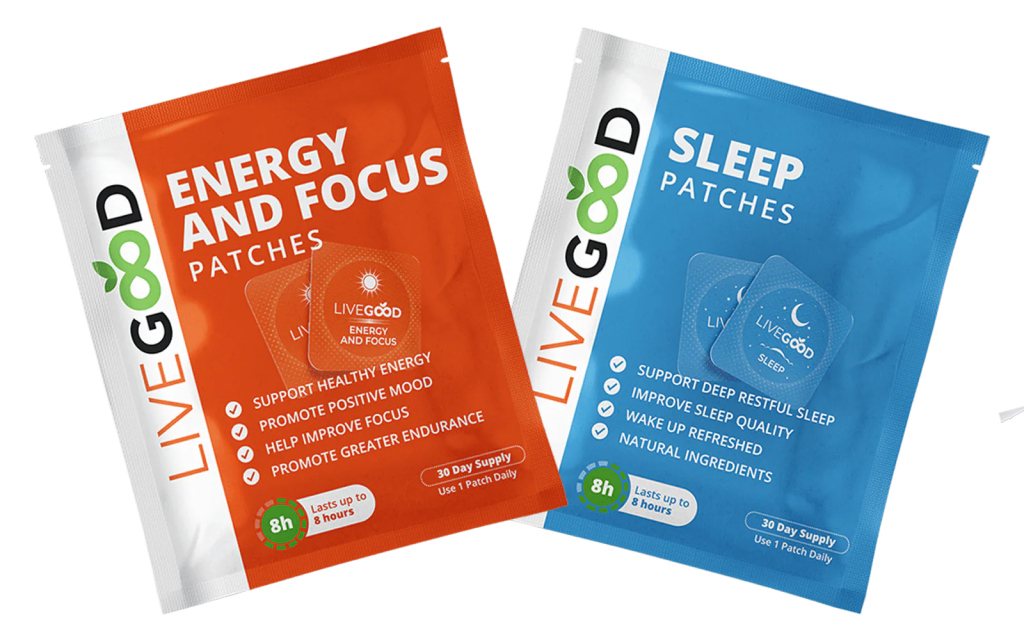
Some people explore supplements or wellness products to support their daily routines. While these can sometimes be helpful, they should be viewed as support rather than a replacement for healthy habits.
If you are interested in exploring wellness products that may support energy routines, you can browse the options available at the Wellthy Freedom Hub store.
Always read ingredient labels carefully and speak with a healthcare professional if you have medical conditions or take medication.
Disclosure: This site may link to products on wellthyfreedomhub.com. If you choose to buy, the store benefits. The guidance here is informational and not medical advice.
Further Reading
Simple Morning Habits That Improve Energy
The Real Guide to Daily Energy

Richard Chambers is the founder of rrjchambers.com. He writes about practical ways to improve everyday health, energy, and wellbeing through simple routines, lifestyle habits, and carefully chosen wellness products. His focus is on clear, honest guidance that helps people make small changes that support better health over time.
Health Information Notice
The information in this article is intended for general educational purposes only and should not be considered medical advice. If you have concerns about your health, sleep, or energy levels, it is always best to consult a qualified healthcare professional.