

Introduction
Waking up tired can be frustrating. Many people assume that if they sleep long enough they should wake up feeling refreshed, yet a surprising number of people wake up feeling just as tired as when they went to bed.
In many cases the problem is not simply the number of hours slept but the quality of sleep and daily habits surrounding it.
If you would like a broader explanation of how daily habits influence energy levels, you may also want to read our guide to improving daily energy naturally.
Sleep quality matters as much as sleep length
Sleeping for eight hours does not always mean the body has had restorative sleep. Sleep occurs in cycles that include lighter sleep stages and deeper restorative stages.
If those cycles are frequently interrupted, the body may not complete the deeper stages of sleep that help restore energy.
Common interruptions include noise, stress, irregular sleep schedules, and excessive screen use before bed.
Irregular sleep schedules
Going to bed at very different times each night can confuse the body’s internal clock.
When sleep timing constantly changes, the body struggles to maintain a steady rhythm, which often leads to feeling tired in the morning.
Keeping a consistent sleep schedule is one of the simplest ways to improve sleep quality.
Stress and an active mind
Even when a person falls asleep quickly, stress can affect how deeply they sleep.
When the mind remains active during the night, sleep may be lighter and less restorative. This can leave people feeling tired despite spending enough time in bed.
Creating a relaxing evening routine can help the body transition into deeper sleep.
Morning light and daily routines
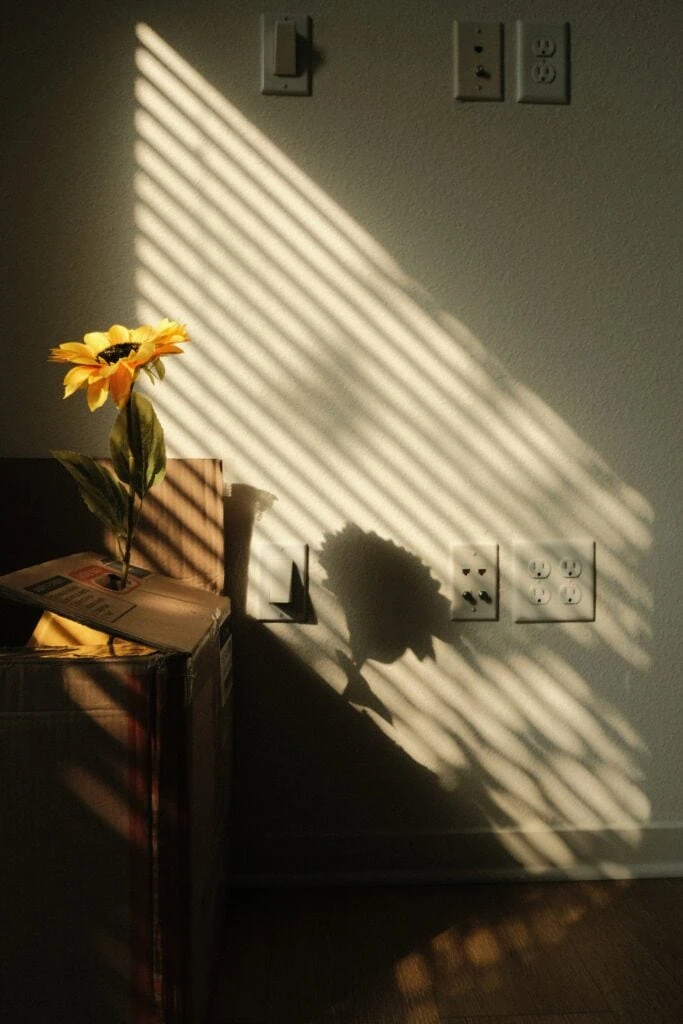
Daily habits also affect how we feel in the morning. Exposure to natural daylight early in the day helps regulate the body’s internal clock.
Simple habits such as getting outside for a short walk or opening curtains early can improve alertness and support better sleep the following night.
Our article on simple morning habits that improve energy explains several routines that can help.
When to seek medical advice
Occasional tiredness is normal, but persistent fatigue after sleep may sometimes indicate an underlying issue such as sleep apnea or other health conditions.
If tiredness continues despite good sleep habits, it may be helpful to discuss the problem with a healthcare professional.
Conclusion
Waking up tired is often related to sleep quality rather than sleep length. Improving sleep habits, reducing evening stimulation, and maintaining regular routines can help many people feel more refreshed in the morning.
Understanding these factors is an important step toward improving overall daily energy.
About the Author

Richard Chambers is the founder of rrjchambers.com. He writes about practical ways to improve everyday health, energy, and wellbeing through simple routines, lifestyle habits, and carefully chosen wellness products. His focus is on clear, honest guidance that helps people make small changes that support better health over time.