

Walking Before Breakfast Benefits Explained
If your mornings feel sluggish, the answer probably is not a more complicated routine. For many people, the real value of walking before breakfast benefits comes from doing one simple thing early enough to change how the rest of the day feels.
A short walk before your first meal can help you wake up properly, get some natural light, move stiff joints and create a steadier start to the morning. It is not a miracle fix, and it will not suit everyone every day. But as a practical habit for improving energy and supporting better sleep later on, it has more going for it than most trendy wellness advice.
Why walking before breakfast benefits some people so much
The biggest advantage is often not fat burning or any dramatic metabolic claim. It is timing. When you get outside early and move at a gentle pace, you give your body a clear signal that the day has started.
That matters if you often wake up groggy, work indoors, or spend the first hour of the day under dim artificial light. Morning daylight helps regulate your body clock, which can improve alertness earlier in the day and support sleepiness at the right time in the evening. Add light movement to that, and many people notice they feel less foggy and more settled by mid-morning.
Walking before breakfast can also feel easier to keep up than evening exercise. Later in the day, work, commuting, family life and tiredness all get in the way. First thing, the decision is simpler. Shoes on, out the door, ten or fifteen minutes, done.
The most realistic walking before breakfast benefits
For most readers, the benefits are practical rather than dramatic. The first is improved alertness. A brisk walk increases circulation, raises body temperature slightly and helps shake off that heavy, half-awake feeling.
The second is better energy rhythm. People who start the day with movement often feel more switched on in the morning and less flat by late afternoon. That does not mean a walk replaces sleep, food or hydration. It means it can support a better pattern across the day.
The third is support for sleep. This sounds backwards at first. Why talk about sleep in a piece about mornings? Because morning light exposure is one of the clearest ways to anchor your circadian rhythm. If your sleep is inconsistent, getting outside early can be more useful than many people realise.
There is also the mental side. Walking before breakfast creates a small pocket of calm before messages, noise and tasks begin. For busy professionals, parents and home workers, that alone can make the habit worthwhile.
Some people also prefer walking on an emptier stomach because they feel lighter and less sluggish than they do after a meal. Others feel the opposite. That is one of the main trade-offs here.
Does walking before breakfast burn more fat?
This is where the topic often gets overhyped. You will sometimes hear that walking in a fasted state automatically turns your body into a fat-burning machine. Real life is less dramatic.
Yes, walking before eating may shift fuel use during that session, especially at a low to moderate intensity. But that does not automatically mean major fat loss on its own. Body weight and body composition still depend on your overall routine, including food intake, activity levels, sleep and consistency over time.
That does not mean fasted walking is pointless. It just means the better reason to do it is often that it is sustainable and makes you feel better. If it helps you become more active regularly, that is far more valuable than chasing a narrow claim about metabolism.
Who tends to benefit most
This habit often works well for people who wake up tired, spend most of the day indoors or struggle to fit movement in later. It can also help if your mornings feel rushed and reactive. Even ten minutes outside can make the start of the day feel more deliberate.
Home workers often benefit because they may otherwise go from bed to kettle to laptop with very little light or movement in between. Office workers can use a pre-breakfast walk as a buffer before commuting. Parents may find it useful if they can manage a short circuit before the household gets busy.
It can also suit people who do not enjoy formal exercise. A walk is low pressure. You do not need special equipment, a perfect plan or much motivation to begin.
When it may not suit you
Walking before breakfast benefits are real, but they are not universal. If you wake up ravenous, shaky or light-headed, going out without eating first may leave you feeling worse rather than better.
This can happen if you are sensitive to low blood sugar, if you did not eat enough the day before, or if you are trying to do too much too early. In that case, a small snack first may work better than forcing a fasted walk. Half a banana, a plain biscuit or a bit of toast can be enough for some people.
It also depends on intensity. A gentle walk before breakfast is one thing. A hard run, long workout or steep hill session on an empty stomach is different. The more demanding the session, the more likely you are to need fuel beforehand.
If you have a medical condition, take medication that affects blood sugar, or feel unwell when exercising without food, it is sensible to speak to a qualified professional rather than copying generic advice online.
How long should you walk before breakfast?
You do not need an hour for this to help. In fact, one reason the habit works is that it can be short enough to repeat.
For many people, 10 to 20 minutes is enough to notice a difference in alertness and mood, especially if you get outside in proper daylight rather than pacing around the kitchen. If you have more time, 30 minutes is still very manageable and can contribute more meaningfully to your overall activity levels.
Pace matters less than consistency at first. Aim for a brisk but comfortable speed where you feel awake, warm and lightly challenged without needing to stop for breath. If you are completely new to morning walks, slower is fine. The point is to make it easy enough that you will do it again tomorrow.
How to make the habit actually stick
The best version of this routine is the one that fits normal life. That usually means reducing friction.
Lay out your clothes the night before. Keep your shoes by the door. Decide on a short route in advance so you are not negotiating with yourself half asleep. If the weather is poor, have a waterproof ready rather than using rain as an excuse to abandon the habit for a week.
It also helps to stop treating it like a performance. You do not need to hit a step target, track every minute or turn the walk into a productivity challenge. A calm, repeatable routine is enough.
Some people do better if they drink a glass of water first. Others like a tea or coffee before they head out. Both can work. If caffeine on an empty stomach makes you jittery, keep it until after the walk.
And if mornings are genuinely chaotic, shorten the walk instead of scrapping it. Ten minutes done regularly is more useful than a perfect 40-minute plan that never happens.
What to eat afterwards
If you walk before breakfast, your first meal should support the rest of the morning rather than undo the benefit by leaving you sleepy an hour later.
A breakfast with protein, some fibre and enough fluid tends to work better than a very sugary option on its own. That might be eggs on toast, porridge with yoghurt and fruit, or overnight oats with seeds and berries. The exact meal matters less than whether it leaves you feeling steady and satisfied.
If your goal is better daily energy, pay attention to how breakfast affects you after the walk. You are looking for a routine that helps you feel clear-headed until lunch, not one that gives you a quick spike and a crash.
A simple habit that does more than it seems
Walking before breakfast is easy to underestimate because it looks ordinary. That is also its strength. It combines light movement, daylight, rhythm and a bit of mental space in one habit that most people can try without overhauling their life.
If you are tired of wellness advice that asks too much and delivers too little, this is a sensible place to start. Try it for a week, keep it short, and pay attention to how your mornings and evenings feel. Small habits are often the ones that change the day most reliably.
Further Reading
If you enjoyed this article you might like to read these articles.
- How to avoid post lunch sleepiness
- The Real Guide to Daily Energy
- How to Improve Sleep Quality Naturally
The role of wellness products
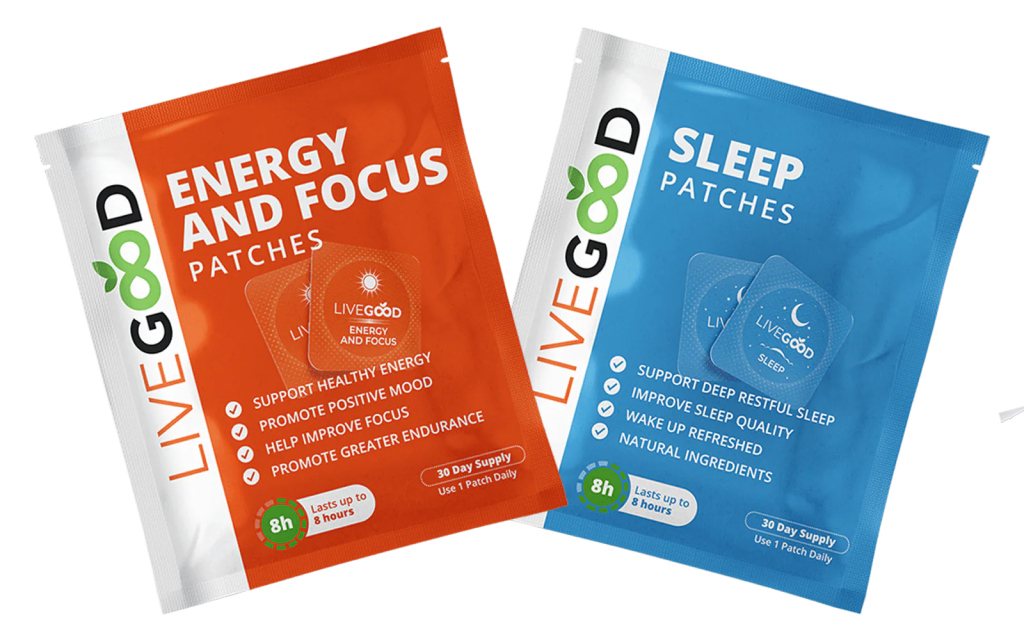
Some people explore supplements or wellness products to support their daily routines. While these can sometimes be helpful, they should be viewed as support rather than a replacement for healthy habits.
If you are interested in exploring wellness products that may support energy routines, you can browse the options available at the Wellthy Freedom Hub store.
Always read ingredient labels carefully and speak with a healthcare professional if you have medical conditions or take medication.
Disclosure: This site may link to products on wellthyfreedomhub.com. If you choose to buy, the store benefits. The guidance here is informational and not medical advice.

Richard Chambers is the founder of rrjchambers.com. He writes about practical ways to improve everyday health, energy, and wellbeing through simple routines, lifestyle habits, and carefully chosen wellness products. His focus is on clear, honest guidance that helps people make small changes that support better health over time.
Health Information Notice
The information in this article is intended for general educational purposes only and should not be considered medical advice. If you have concerns about your health, sleep, or energy levels, it is always best to consult a qualified healthcare professional.