

How to Avoid Post Lunch Sleepiness
That mid-afternoon slump often starts the same way: you finish lunch, sit back down, and within 20 minutes your focus falls apart. If you are wondering how to avoid post lunch sleepiness, the answer is rarely one magic fix. It is usually a combination of what you ate, how much you moved, how well you slept, and what your environment is doing to your energy.
The useful part is this: most of those factors are changeable. You do not need a complicated routine or expensive products. You need a few practical adjustments that reduce the size of the slump and make your afternoons easier to manage.
Why post-lunch sleepiness happens
Despite the name, lunch is only part of the story. Many people feel sleepy in the early to mid-afternoon because the body naturally has a dip in alertness around that time. If you also had a poor night’s sleep, a heavy meal, a stuffy room, too little water, or hours of sitting still, that dip feels much stronger.
Blood sugar plays a part as well. A lunch built around refined carbs and not much else can leave you briefly energised, then sluggish not long after. That does not mean carbohydrates are the problem. It usually means the meal lacked balance, or the portion size was too large for the rest of your day.
There is also the less obvious issue of routine. If you eat quickly at your desk, stay in artificial light, and go straight back to screens, your body gets very few signals to stay alert. The brain often responds with fog rather than focus.
How to avoid post lunch sleepiness without relying on more caffeine
Caffeine can help, but it is a limited tool. If your answer to every afternoon dip is another coffee at 3pm, you may just be shifting the problem into the evening by making sleep worse later on.
A better approach is to make lunch and the hour after it work with your energy rather than against it. Start with the meal itself. A lunch that includes protein, fibre and some healthy fat tends to support steadier energy than one that is mostly white bread, pastries, crisps or sugary snacks. For many people, something like eggs and salad, chicken with rice and vegetables, lentil soup with oatcakes, or yoghurt with fruit and nuts will feel very different from a meal deal built around quick carbs.
Portion size matters too. Even a healthy lunch can leave you drowsy if it is simply too big. Large meals require more digestion and often bring a stronger sleepy feeling afterwards. If you regularly feel wiped out after lunch, it may help to eat a slightly lighter meal and, if needed, have a sensible afternoon snack later.
Speed makes a difference as well. Eating too fast can lead to that overfull, sluggish feeling before your body has really caught up. Slowing down is not glamorous advice, but it works surprisingly often.
Build a lunch that keeps you awake
There is no perfect lunch for everyone, but there is a pattern that tends to help. Aim for a mix of protein, fibre-rich carbs and something fresh. That combination often gives better staying power than a lunch that is beige, overly processed or built around sugar.
If you want easy examples, think practical rather than worthy. A wholegrain wrap with chicken, hummus and salad. Leftover chilli with beans and rice. A jacket potato with tuna and side salad. Greek yoghurt with berries, seeds and a banana if you need something fast. The goal is not dietary perfection. It is avoiding the sharp rise and drop in energy that can follow a less balanced meal.
It also helps to notice your own triggers. Some people feel heavy and sleepy after pasta at lunch but are fine with potatoes. Others do badly with shop-bought sandwiches but feel better with a home-made lunch that has more protein. Patterns matter more than food rules.
Move straight after eating, even briefly
One of the simplest ways to reduce sleepiness after lunch is to avoid becoming completely still. You do not need a workout. A ten-minute walk, a few trips up and down the stairs, or even standing while taking a call can be enough to lift alertness.
This works partly because movement helps with circulation and partly because it breaks the mental drop that comes from eating, sitting and staring at a screen in one continuous block. If you work from home, this is especially useful because the whole afternoon can otherwise happen in the same chair, under the same lighting, with very little change in stimulation.
If walking outside is possible, even better. Daylight helps tell your brain that it is still daytime and time to be alert. That signal matters more than people often realise, especially in winter or in dim offices.
Light, air and posture all affect the slump
People often focus on food and forget the room around them. A warm, dim, poorly ventilated space makes sleepiness worse. If your post-lunch routine involves sitting in a stuffy room with low natural light, your environment may be quietly draining your energy.
Open a window if you can. Sit nearer natural light. Stand up for part of the afternoon. If your desk setup encourages you to curl into yourself, that can feed the tired feeling too. Better posture is not a cure, but collapsed posture and shallow breathing rarely help you feel sharp.
This is where simple changes beat grand plans. You do not need to redesign your life. You need a few stronger daytime cues: light, movement, fresh air and a change of position.
Hydration helps more than most people think
Mild dehydration does not always feel like thirst. It can show up as headache, poor concentration and that flat, drained feeling that people blame on lunch. If you had coffee all morning, barely drank water, then ate something salty, your afternoon tiredness may not be a mystery.
Try drinking water through the morning rather than attempting to catch up all at once after lunch. A glass with your meal and another in the early afternoon is sensible for most people. You do not need to force excessive amounts, just avoid getting behind.
If plain water is hard to remember, sparkling water or herbal tea can help. The point is consistency, not hitting some dramatic target.
Look at the night before, not just the lunch itself
If your sleep is poor, lunch gets blamed for a problem that started many hours earlier. A natural afternoon dip becomes much harder to manage when you are already running short on sleep.
That means one of the best long-term answers to how to avoid post lunch sleepiness is improving your baseline energy. A more regular bedtime, less late caffeine, a darker bedroom, and a better wind-down routine will often do more than endlessly tweaking lunch.
This is also why some advice only works halfway. You can eat the most balanced lunch in the world, but if you slept five broken hours and started the day stressed, you may still struggle at 2pm. Habits work together.
Should you nap or push through?
It depends on your day and how tired you really are. A short nap can help some people, especially if they are sleep deprived, but timing matters. Keep it brief – around 10 to 20 minutes – and not too late in the afternoon, or it can leave you groggy and make sleep harder at night.
For many working adults, a nap is not realistic anyway. In that case, focus on the basics that are actually available to you: a balanced lunch, daylight, movement, water and a sensible caffeine cut-off.
If you do rely on caffeine, use it strategically. A tea or coffee early in the afternoon may help, but repeated cups late in the day can keep the cycle going by damaging sleep quality. Better afternoons usually come from better rhythms, not from trying to overpower tiredness.
When post-lunch sleepiness may be a sign of something else
Sometimes the slump is stronger than normal habit changes would explain. If you regularly feel overwhelmingly sleepy after eating, snore heavily, wake unrefreshed, struggle with persistent fatigue, or notice symptoms such as dizziness, frequent headaches or unusual thirst, it is worth speaking to a GP. Sleep problems, stress, blood sugar issues and other health concerns can all sit behind daytime sleepiness.
That does not mean every afternoon dip is a medical issue. It means persistent or disproportionate tiredness deserves a closer look.
For most people, the fix is more ordinary than dramatic. Eat a lunch that gives you steady energy, not a quick spike. Get out of the chair after eating. Let in more light. Drink enough water. Protect your sleep. No hype. Just simple habits that work, and work best when you repeat them often enough for your body to trust the routine.
Further Reading
If you enjoyed this article you might like to read these articles.
- Why Do I Feel Tired After Sleeping?
- The Real Guide to Daily Energy
- How to Improve Sleep Quality Naturally
The role of wellness products
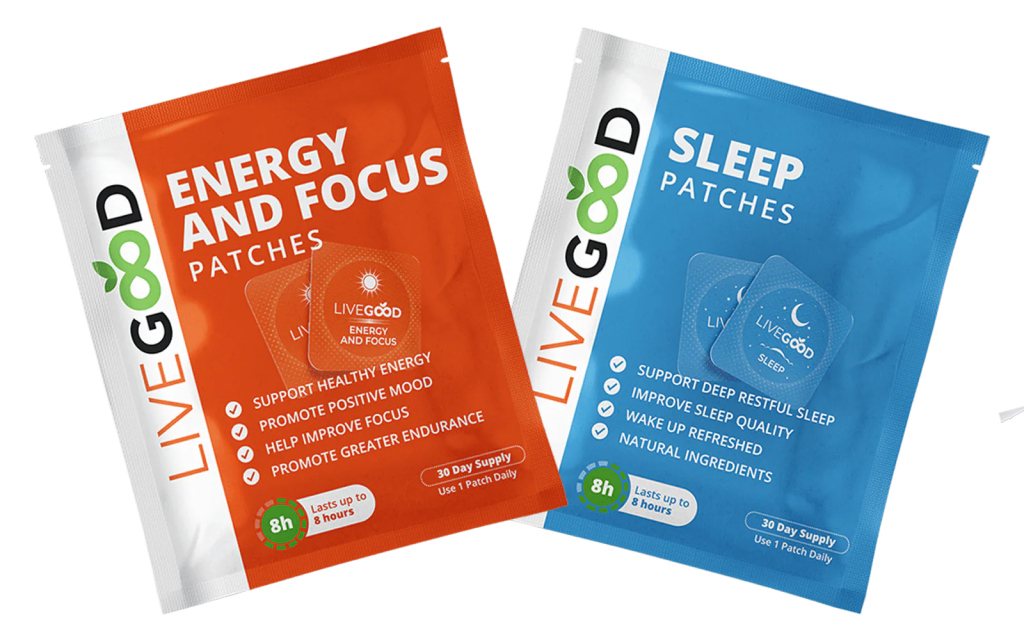
Some people explore supplements or wellness products to support their daily routines. While these can sometimes be helpful, they should be viewed as support rather than a replacement for healthy habits.
If you are interested in exploring wellness products that may support energy routines, you can browse the options available at the Wellthy Freedom Hub store.
Always read ingredient labels carefully and speak with a healthcare professional if you have medical conditions or take medication.
Disclosure: This site may link to products on wellthyfreedomhub.com. If you choose to buy, the store benefits. The guidance here is informational and not medical advice.

Richard Chambers is the founder of rrjchambers.com. He writes about practical ways to improve everyday health, energy, and wellbeing through simple routines, lifestyle habits, and carefully chosen wellness products. His focus is on clear, honest guidance that helps people make small changes that support better health over time.
Health Information Notice
The information in this article is intended for general educational purposes only and should not be considered medical advice. If you have concerns about your health, sleep, or energy levels, it is always best to consult a qualified healthcare professional.