
How to Feel More Awake at Work
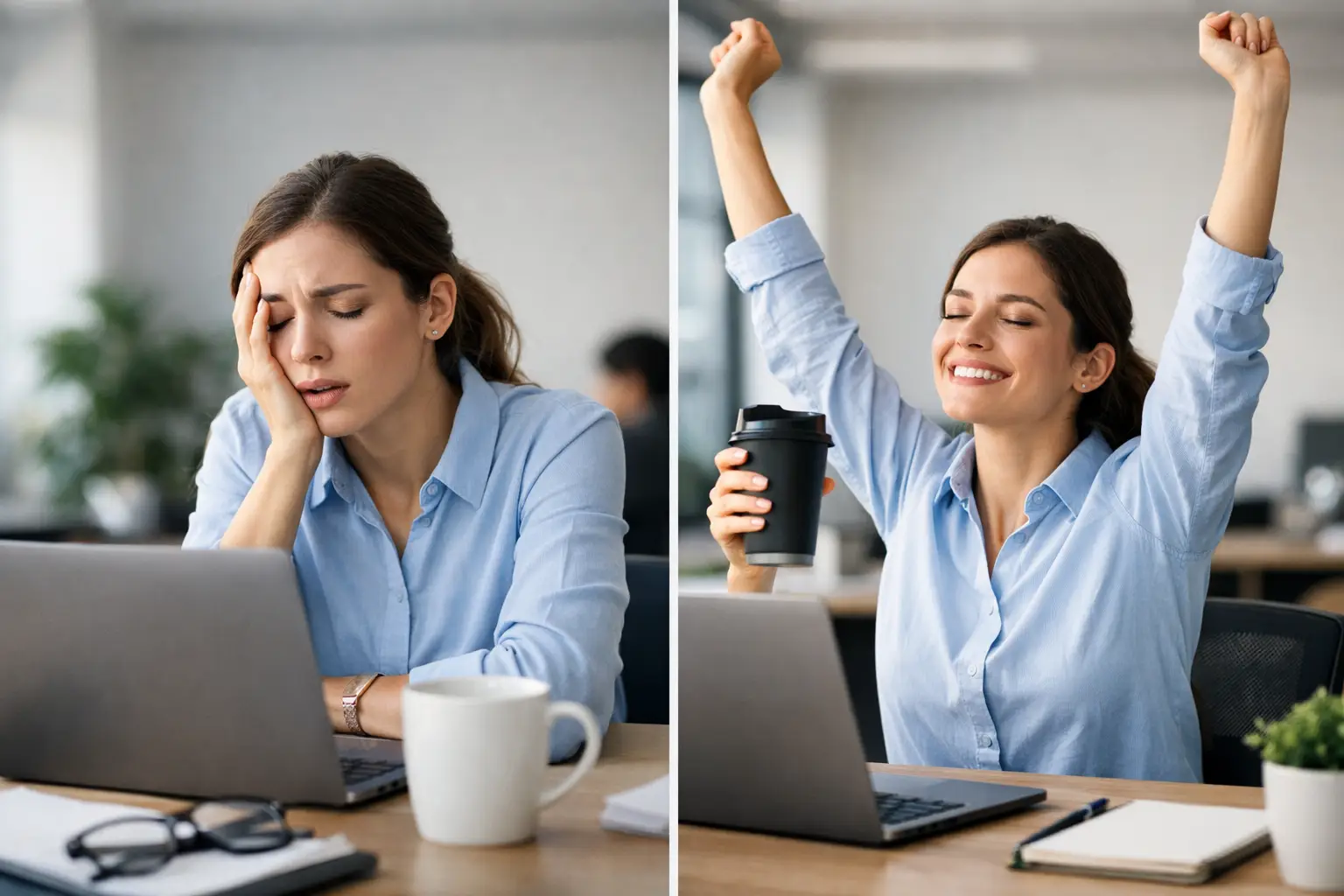
That 2pm slump is not a personal failing. If you are searching for how to feel more awake at work, the answer is rarely just “have another coffee”. More often, tiredness at work comes from a stack of ordinary things that build up quietly – poor sleep, too little daylight, long periods of sitting, dehydration, heavy lunches, or a workspace that keeps your brain in low-power mode.
The useful part is this: most of those factors are changeable. You do not need an extreme routine or a drawer full of supplements. You need a few adjustments that support alertness during the day and better recovery at night.
Why you feel sleepy during the working day
Feeling tired at work can come from genuine sleep debt, but that is not the whole picture. Plenty of people get what looks like enough time in bed and still drag themselves through the day. Sleep quality matters just as much as sleep length, and so does what happens after you wake up.
If your morning starts in dim light, with little movement and a rushed breakfast or no breakfast at all, your body may never properly switch into daytime mode. Then there is the way many jobs are set up. Hours of screen time, stale air, warm rooms, poor posture and very little physical movement all encourage drowsiness.
There is also a difference between mental fatigue and sleepiness. If you have been concentrating for hours, switching tasks constantly, or sitting in back-to-back meetings, your brain can feel foggy even if you are not about to fall asleep. The fix is not always more stimulation. Sometimes it is better recovery between bouts of effort.
How to feel more awake at work without overdoing caffeine
Caffeine can help, but it is a tool, not a foundation. If you rely on it to patch over poor sleep and low-energy habits, it often stops working well. Worse, too much late in the day can affect your sleep that night and make the next workday even harder.
A better approach is to treat alertness like something you build. Start with the basics that keep your body clock steady and your energy more stable from morning to afternoon.
Get daylight early if you can
Morning light helps tell your brain that the day has started. That supports alertness early on and can help your sleep timing later. If you work from home, step outside for even ten minutes after waking or before logging on. If you commute, part of the benefit may already be there if you walk any portion of the journey.
If natural light is limited, especially in winter, make your workspace as bright as reasonably possible. A gloomy room often makes you feel more sluggish than you realise.
Move before you need to
One of the quickest ways to feel less sleepy is to stop sitting still. This does not mean a full workout in the middle of the office. A brisk five-minute walk, a quick trip up and down the stairs, or even standing while taking a call can lift alertness surprisingly well.
The key is timing. Do not wait until you are half-asleep at your desk. Build small movement breaks into your day before the slump hits. For many people, every 60 to 90 minutes works far better than one longer break later on.
Eat for steady energy, not a food coma
Lunch is often where the afternoon goes wrong. A very large meal, especially one high in refined carbohydrates and low in protein or fibre, can leave you sluggish not long after eating. That does not mean lunch needs to be joyless. It means it should help you function.
A more balanced meal might include protein, slow-digesting carbohydrates, healthy fats and something with fibre. Think porridge and yoghurt in the morning instead of pastry alone, or eggs on toast rather than skipping breakfast and hoping coffee carries you through. At lunch, options like chicken and salad with rice, lentil soup with wholegrain bread, or a tuna jacket potato tend to sustain energy better than a heavy meal followed by biscuits.
Drink enough water
Mild dehydration can make you feel flat, headachy and unfocused. Many people simply forget to drink when work gets busy. If this sounds familiar, keep water in sight rather than relying on thirst alone. A bottle on your desk is not revolutionary advice, but it works because it removes friction.
If plain water is boring, try sparkling water or add a slice of lemon. Tea can count towards fluid intake too, although very sugary drinks are less helpful if they lead to an energy dip later.
Fix the work habits that quietly drain energy
Sometimes the issue is not your biology so much as your workflow. Certain patterns make tiredness worse, even if your sleep and diet are fairly decent.
Stop working in one long, unbroken stretch
Many people assume pushing through is the productive option. In reality, concentration tends to drop long before the workday ends. Short pauses are not laziness. They help prevent the low-grade mental fatigue that feels like sleepiness by mid-afternoon.
Try working in focused blocks, then take a proper short break away from the screen. Stand up, walk, stretch, or look out of the window. Scrolling on your phone often does not refresh you in the same way.
Watch the room temperature and air quality
Warm, stuffy rooms are excellent at making people sleepy. If you can, open a window, lower the heating slightly, or move to a better-ventilated space for part of the day. This matters more than many people think, particularly in home offices where air can feel stale by lunchtime.
If your environment is chronically dim and overheated, your body receives all the wrong cues for alert daytime work.
Use light and posture to your advantage
Poor posture does not just affect your back. Slumping for hours can make you feel more lethargic and less engaged. Set your screen at a sensible height, sit supported rather than folded over, and stand now and then if possible.
Light matters too. If your desk sits in the darkest corner of the room, you may feel duller across the day. Brighter ambient light, especially in the morning, often helps you feel more switched on.
If you crash every afternoon, look at the night before
Anyone looking up how to feel more awake at work should spend some attention on evening habits. Daytime alertness starts the night before, not at 9am.
If you are going to bed at inconsistent times, using bright screens late, or drinking alcohol most evenings, your sleep quality may be taking a hit even if you technically get seven or eight hours in bed. Waking unrefreshed is often a sign that sleep is broken, delayed, or lighter than it should be.
A realistic evening routine does not need to be perfect. Aim for a fairly consistent bedtime, reduce bright light close to bed, avoid heavy meals too late, and keep caffeine earlier in the day if it affects you. Some people can drink tea after dinner and sleep fine. Others cannot. It depends on your sensitivity, age and stress levels.
If your bedroom is too warm, noisy or bright, that can also affect the quality of your sleep. Improving the sleep environment is often less glamorous than buying another energy product, but it usually has more impact.
When to be cautious about persistent tiredness
Not all fatigue is solved by better habits. If you feel overwhelmingly sleepy every day, struggle to stay awake while driving, snore heavily, wake with headaches, or feel exhausted despite giving sleep a fair chance, it is worth speaking to a GP. The same applies if tiredness is new, getting worse, or comes with other symptoms.
Low energy can sometimes be linked to stress, low mood, poor sleep disorders, iron deficiency, thyroid issues, or other health concerns. Practical lifestyle changes are still useful, but they should not replace medical advice when something feels off.
For most people, though, feeling more awake at work comes down to a handful of basics repeated consistently: better sleep timing, more morning light, regular movement, enough water, balanced meals and a workspace that does not encourage drowsiness. No hype. Just simple habits that work.
If you want a better workday, start small. Pick one change you can actually keep this week, because steady energy is usually built through ordinary routines, not heroic effort.
Further Reading
If you enjoyed this article you might like to read these articles.
- Why Do I Feel Tired After Sleeping?
- The Real Guide to Daily Energy
- How to Improve Sleep Quality Naturally
The role of wellness products
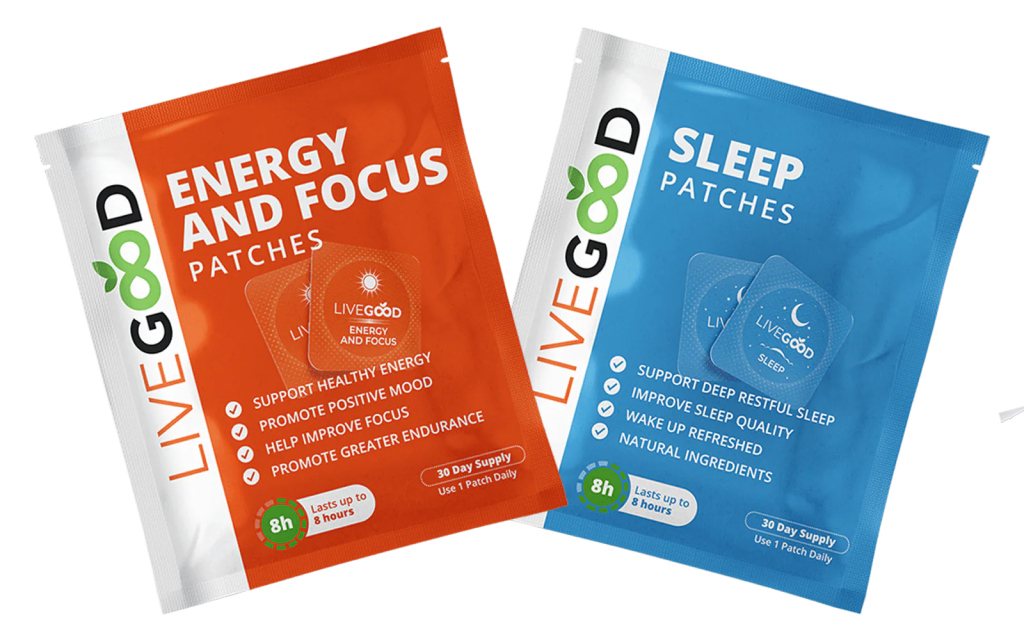
Some people explore supplements or wellness products to support their daily routines. While these can sometimes be helpful, they should be viewed as support rather than a replacement for healthy habits.
If you are interested in exploring wellness products that may support energy routines, you can browse the options available at the Wellthy Freedom Hub store.
Always read ingredient labels carefully and speak with a healthcare professional if you have medical conditions or take medication.
Disclosure: This site may link to products on wellthyfreedomhub.com. If you choose to buy, the store benefits. The guidance here is informational and not medical advice.

Richard Chambers is the founder of rrjchambers.com. He writes about practical ways to improve everyday health, energy, and wellbeing through simple routines, lifestyle habits, and carefully chosen wellness products. His focus is on clear, honest guidance that helps people make small changes that support better health over time.
Health Information Notice
The information in this article is intended for general educational purposes only and should not be considered medical advice. If you have concerns about your health, sleep, or energy levels, it is always best to consult a qualified healthcare professional.