

Morning Shower vs Evening Shower: Which Wins?
If you are dragging yourself through the first hour of the day or going to bed feeling slightly grimy and overstimulated, the morning shower vs evening shower question is not trivial. The time you shower can affect how alert you feel, how easily you wind down, and how comfortable you are in your own skin. For most people, the best option is not the one that sounds healthiest on paper. It is the one that fits their energy patterns, workday and sleep routine.
Morning shower vs evening shower: what actually matters?
A shower does three main things. It changes your body temperature, changes how awake or relaxed you feel, and removes sweat, oil, allergens and general build-up from the day or night.
That means timing matters because you are using the same habit for different jobs. A morning shower is usually about alertness, routine and feeling ready. An evening shower is more often about washing the day off, helping your body switch gears and making bed feel cleaner.
There is no single right answer for everyone. If your main problem is sluggish mornings, the case for showering early is stronger. If your main problem is poor sleep or going to bed feeling hot and restless, an evening shower often makes more sense.
Why a morning shower helps some people feel better
For people who wake up foggy, a shower can act as a clean break between sleeping and functioning. It gives your brain a cue that the day has started. That matters more than people think, especially if you work from home, have broken sleep, or tend to shuffle from bed to kettle to laptop without any real transition.
Part of the benefit is behavioural. A morning shower forces movement, light exposure and a little structure. If you then get dressed properly and step away from the bedroom, you are less likely to stay in that half-awake state for hours.
Temperature plays a part too. A warm shower can ease stiffness and make waking up less unpleasant, particularly in colder months. A cooler finish can increase alertness for some people, though it does not need to be extreme. You do not need to turn your bathroom into a test of character. Even slightly cooler water at the end can feel refreshing.
Morning showers and energy
If your mornings feel heavy and slow, a shower may improve perceived energy simply by helping you feel more switched on. This is especially useful for parents, commuters and anyone starting work early after poor sleep.
That said, a shower is not a fix for chronic tiredness. If you rely on one just to feel vaguely human every day, it may be helping the symptom rather than the cause. Low light exposure, inconsistent sleep, dehydration and a chaotic morning routine are still worth addressing.
Why an evening shower helps some people sleep better
An evening shower can be useful because it supports wind-down. Warm water relaxes muscles, creates a sense of separation from the day, and can help you feel physically calmer before bed. Once you step out, your body cools down again, and that drop can support sleepiness if the timing is right.
This does not mean showering at 10.58 pm and expecting instant sleep at 11.00. It tends to work best when you shower around 60 to 90 minutes before bed, giving your body time to cool and settle.
There is also a simple comfort factor. If you have been on public transport, exercising, cooking, commuting in summer heat or sitting in a stuffy office, an evening shower can make bed feel far more pleasant. Clean skin, clean sleepwear and clean bedding are not glamorous topics, but they do affect sleep quality.
Evening showers and sleep quality
If you often feel wired at night, an evening shower can become a reliable cue that the active part of the day is over. That cue matters because good sleep is not only about exhaustion. It is also about rhythm.
People with restless evenings often benefit from repeated signals – dimmer lights, less screen stimulation, and the same bedtime habits. A shower fits neatly into that. It is practical, low effort and easy to repeat.
Skin, sweat and cleanliness
One of the strongest arguments for evening showering is cleanliness. During the day, your skin and hair collect sweat, oil, pollution, allergens and whatever else normal life throws at you. Going straight to bed with all of that on you means some of it ends up in your bedding.
If you have hay fever, sensitive skin or scalp issues, washing in the evening may help reduce irritation. This can be particularly useful in spring and summer, when pollen and sweat are more likely to make you uncomfortable overnight.
Morning showering has its own practical upside, though. Some people sweat noticeably during sleep or wake with oily skin and flat hair. In that case, showering in the evening may still leave you wanting another rinse by breakfast. If that sounds familiar, the morning option is simply more useful.
The bigger point is that skin type matters. Very hot, frequent showers can dry skin out whether you take them at 7 am or 9 pm. If your skin is already dry or reactive, keep water warm rather than hot and avoid turning showering into a long daily soak.
Morning shower vs evening shower for exercise routines
This is where the answer often becomes obvious. If you exercise in the morning, shower afterwards. If you exercise in the evening, shower afterwards. That may sound simplistic, but a lot of shower timing is really about when your body gets hot, sweaty and stimulated.
The only complication is late-night training. If you work out hard at 9 pm, a shower helps you get clean and more comfortable, but the exercise itself may still keep you awake. In that case, the shower is not the problem. The workout timing probably is.
The best choice depends on your real problem
If you are deciding between the two, ask what you actually need the shower to do.
If you need help waking up, creating a proper start to the day and feeling presentable for work, morning showering usually wins. If you need help unwinding, sleeping in a cleaner bed and getting rid of the sticky feeling of the day, evening showering is often better.
Some people do well with both, but that does not automatically make it healthier. Two daily showers can be fine for certain jobs, gym habits or hot weather, but for others it is just extra time, extra water use and potentially harsher on skin.
A few realistic examples
A tired home worker who struggles to get going may benefit more from a morning shower because it creates structure and reduces the temptation to drift into the day.
A commuter with hay fever, city grime and trouble switching off at night may sleep better after an evening shower.
A parent with limited time may choose whichever one is most likely to happen consistently. That matters more than the theoretical ideal.
If you want the benefits of both without two full showers
You do not always need to pick a side rigidly. Some people do best with a full shower in the evening and a quick rinse or face wash in the morning. Others prefer a morning shower most days and an evening one only after exercise, hot weather or particularly long days.
This is often the most sensible approach because it follows real life rather than forcing a rule. A useful routine is one you can keep without turning basic hygiene into a wellness project.
So which is better?
For energy and mental sharpness, a morning shower often has the edge. For sleep, cleanliness at bedtime and winding down, an evening shower often comes out ahead.
If your goal is better daily wellbeing, choose the option that supports your weakest point. Do not ask which shower time is best in general. Ask which one solves the problem you actually have.
At RRJChambers, the better habit is usually the simpler one you will repeat. If a morning shower helps you start the day properly, use it. If an evening shower helps you sleep more comfortably, use that instead. The best routine is the one that quietly makes the rest of your day – or night – work better.
Further Reading
If you enjoyed this article you might like to read these articles.
- Why Do I Feel Tired After Sleeping?
- The Real Guide to Daily Energy
- How to Improve Sleep Quality Naturally
The role of wellness products
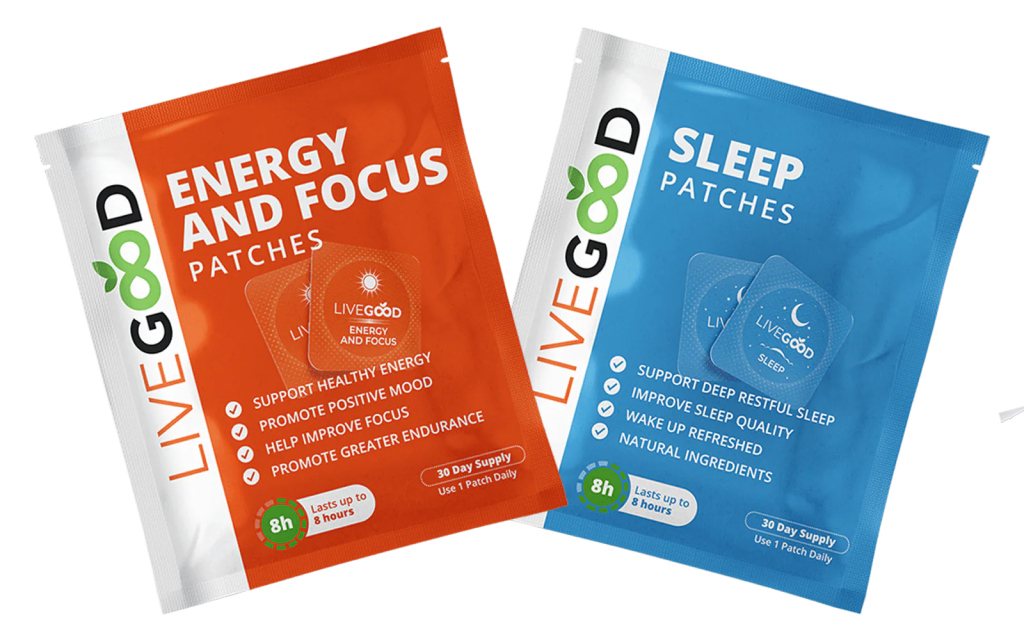
Some people explore supplements or wellness products to support their daily routines. While these can sometimes be helpful, they should be viewed as support rather than a replacement for healthy habits.
If you are interested in exploring wellness products that may support energy routines, you can browse the options available at the Wellthy Freedom Hub store.
Always read ingredient labels carefully and speak with a healthcare professional if you have medical conditions or take medication.
Disclosure: This site may link to products on wellthyfreedomhub.com. If you choose to buy, the store benefits. The guidance here is informational and not medical advice.

Richard Chambers is the founder of rrjchambers.com. He writes about practical ways to improve everyday health, energy, and wellbeing through simple routines, lifestyle habits, and carefully chosen wellness products. His focus is on clear, honest guidance that helps people make small changes that support better health over time.
Health Information Notice
The information in this article is intended for general educational purposes only and should not be considered medical advice. If you have concerns about your health, sleep, or energy levels, it is always best to consult a qualified healthcare professional.