
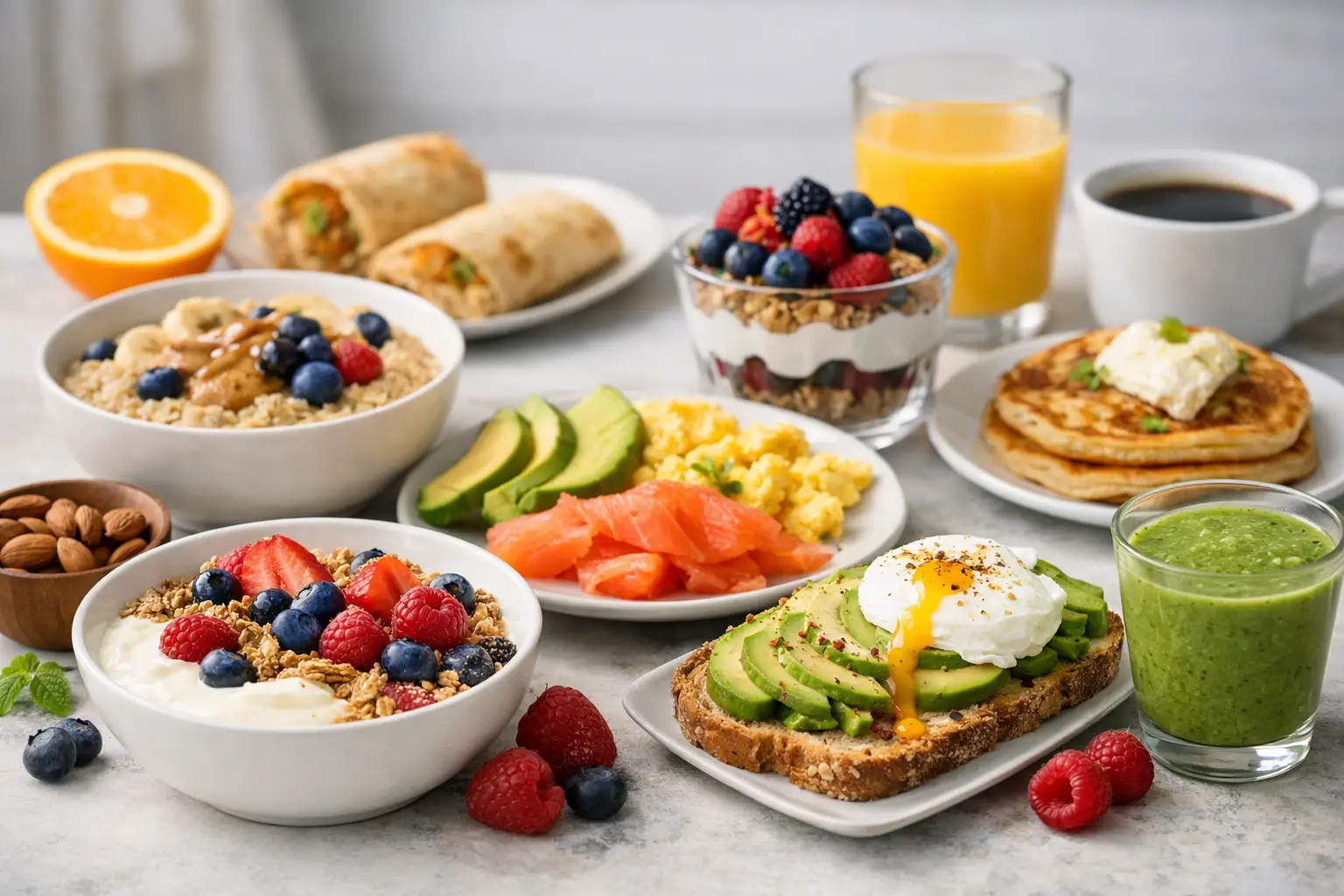
10 Energy Boosting Breakfast Ideas
This article contains affiliate links. If you buy through them I may earn a small commission at no extra cost to you.
If your energy tends to crash by 10.30, breakfast is often part of the story. Not because it needs to be perfect, but because the wrong first meal can leave you chasing caffeine and snacks before the day has properly started. The best energy boosting breakfast ideas are usually the simplest ones – meals that combine protein, fibre and enough substance to keep you steady rather than spike and dip.
That matters if you already feel tired most mornings. A breakfast built around sugary cereal, toast on its own, or nothing at all may be quick, but it often does very little for lasting alertness. A more balanced start will not fix poor sleep, dehydration or stress on its own, yet it can make your morning feel noticeably more manageable.
What makes energy boosting breakfast ideas work?
There is no single magic breakfast. What helps most people is a combination of slower-release carbohydrates, protein, healthy fats and some fibre. That mix tends to support steadier blood sugar, better fullness and less of the sharp rise-and-fall you get from very refined, sweet foods.
Protein matters because it keeps a meal satisfying for longer. Fibre helps slow digestion and supports a more even release of energy. Carbohydrates still have a place, especially in the morning, but the type and portion matter. Porridge oats, wholegrain bread, fruit and yoghurt will usually serve you better than pastries or sugary cereal bars.
Hydration also gets overlooked. Even mild dehydration can make you feel flat, foggy or headachy. If you wake up tired, a glass of water alongside breakfast is a sensible starting point, especially after a warm room, poor sleep or alcohol the night before.
10 energy boosting breakfast ideas for real mornings
1. Porridge with Greek yoghurt, berries and seeds
This is a reliable choice because it covers the basics without much effort. Oats provide slow-release carbohydrate and fibre, Greek yoghurt adds protein, and berries plus seeds give texture and extra staying power.
If you normally make porridge with water, try adding some milk or topping it with yoghurt to improve the protein content. Chia, flax or pumpkin seeds work well. If you need more substance, add a spoonful of peanut butter.
2. Eggs on wholegrain toast with spinach
Eggs are one of the easiest high-protein breakfast options, and they do not need much dressing up. Served on wholegrain toast with a handful of wilted spinach or tomatoes, they make a solid meal that is filling without being heavy.
This works especially well if sweet breakfasts leave you hungry quickly. Boiled, poached or scrambled all do the job. The main point is pairing the eggs with some fibre rather than eating them on their own.
3. Overnight oats for busy weekdays
If mornings are rushed, overnight oats remove friction. Mix oats with milk or yoghurt the night before, then add fruit, nuts or seeds. By morning you have something ready to eat or take with you.
They are useful for commuters, parents and anyone who tends to skip breakfast because there is no time. Just watch the sugar if you buy pre-flavoured versions. Plain oats with your own toppings are usually the better option.
4. Full-fat natural yoghurt with fruit and nuts
A bowl of natural yoghurt with sliced banana, berries, chopped apple or pear, plus a small handful of nuts, is simple and effective. It is especially useful if you want something lighter than porridge or eggs but still substantial enough to last.
Full-fat or Greek yoghurt tends to be more satisfying than fat-free sweetened pots. The balance here matters: fruit gives carbohydrate and fibre, while nuts and yoghurt help slow things down.
5. Peanut butter and banana on wholegrain toast
This is one of the easiest energy boosting breakfast ideas if you need speed. It takes two minutes, uses ordinary ingredients and gives you carbohydrate, fat and a bit of protein in one go.
It is not the highest-protein breakfast on this list, so it may not keep everyone full until lunch. If that is a problem for you, add a yoghurt on the side or swap one slice for an egg.
6. Breakfast smoothie that actually fills you up
Smoothies can work, but many are glorified milkshakes with fruit. If yours is just juice and banana, it may digest quickly and leave you hungry. A better formula is milk or yoghurt, oats, one piece of fruit, and a source of fat or protein such as nut butter or seeds.
That way, you get a breakfast that is practical without being flimsy. It can be useful if you struggle to eat early, though drinking breakfast is not ideal for everyone because it can be less satisfying than chewing a meal.
7. Cottage cheese or soft cheese on toast with tomato
This is underrated. Cottage cheese is high in protein, easy to prepare and works well on wholegrain toast with tomatoes, cucumber or cracked black pepper. If you prefer soft cheese, choose a less processed option and keep the portion sensible.
Savoury breakfasts often suit people who are tired of sweet foods. They can also help if a sugary start tends to make you feel hungrier later on.
8. A simple breakfast wrap
If you want something more substantial, a wholemeal wrap with scrambled eggs, spinach and a little cheese can carry you through a long morning. You can make it fresh in a few minutes or prepare the filling in advance.
This suits people with active jobs or anyone who knows toast alone will not cut it. The trade-off is convenience – it takes a bit more effort than cereal, but the payoff is usually better energy and fullness.
9. Homemade chia pudding with fruit
Chia pudding is not essential, but it can be useful if you like make-ahead breakfasts. Chia seeds absorb liquid overnight and create a thick texture that pairs well with yoghurt and fruit.
It is worth saying that chia pudding on its own can be a bit light. For better staying power, combine it with Greek yoghurt or have it alongside a boiled egg or a slice of toast.
10. Leftovers, if they genuinely suit you
Breakfast does not have to look like breakfast. If you feel better after a small portion of last night’s beans, eggs, potatoes or even soup, that is perfectly fine. Plenty of people do better with a savoury, meal-like start, especially if they wake up hungry.
This can be one of the most practical solutions if standard breakfast foods never keep you going. The only real test is whether it helps you feel steady, alert and satisfied.
How to choose the right breakfast for your energy
The best option depends on what your mornings look like. If you sit at a desk and barely move until lunch, a lighter breakfast with decent protein may be enough. If you are on your feet early, travelling, doing school runs or fitting in exercise, you may need something larger and more substantial.
It also depends on how your body responds. Some people feel good with oats and fruit. Others get hungry quickly unless there is a stronger protein element such as eggs, Greek yoghurt or cottage cheese. That is why copying someone else’s ideal breakfast does not always work.
A useful rule is to notice how you feel two to three hours after eating. If you are foggy, hungry, irritable or reaching for biscuits, your breakfast may be too small or too refined. If you feel heavy and sluggish, it may simply be too much.
Common breakfast mistakes that drain energy
The obvious one is relying on sugar for speed. Many breakfast cereals, cereal bars, pastries and flavoured yoghurts look convenient, but they often give you a short lift followed by a slump. That does not mean you can never eat them. It means they are not a great foundation if stable energy is the goal.
Skipping breakfast can also backfire, though not for everyone. Some people feel perfectly fine waiting until later. But if you are already tired, under-slept and running on coffee, missing your first proper meal may make concentration and cravings worse.
Another common issue is eating too little protein. Toast and jam, fruit on its own, or a plain croissant may be easy, but they rarely keep you going. A small adjustment, such as adding yoghurt, eggs, nuts or nut butter, can make a noticeable difference.
A more realistic way to improve morning energy
Breakfast helps, but it works best when the basics around it are also in place. Poor sleep, dim mornings, dehydration and no movement can all leave you flat before food enters the picture. If you want more energy, look at breakfast as one useful lever rather than the whole answer.
That is very much the RRJChambers approach to wellbeing. No hype. Just simple habits that work together. A balanced breakfast, morning light, a drink of water and a bit of movement will usually do more for your day than any trendy powder or expensive wellness fix.
Start with one breakfast you can repeat three or four times a week without effort. If it keeps you fuller, steadier and less dependent on caffeine, you are probably on the right track.
Products that make these breakfasts easier
For overnight oats and porridge
Mornflake Jumbo Oats work well for both overnight oats and cooked porridge. The jumbo cut stays intact when soaked overnight, giving a better texture than instant oats which go mushy. A 1.5kg bag gives you several weeks of breakfasts at a low cost per serving.
For smoothies – a reliable blender
If smoothies are part of your breakfast rotation, a decent blender makes a real difference to whether you actually make them or not. The Nutribullet 600 Series is the most consistently recommended entry-level option on Amazon UK – compact, easy to clean, and powerful enough for most ingredients. The one-piece cup design means less washing up than a full blender.
Chia seeds – for overnight oats and smoothies
Chia seeds are worth keeping in the cupboard as a simple breakfast addition. A tablespoon stirred into overnight oats or a smoothie adds fibre, omega-3 fatty acids, and protein with no preparation required. They have almost no flavour, which means they can go into most things unnoticed.
Nut butter – for toast and smoothies
Meridian Almond Butter on wholegrain toast or blended into a smoothie adds protein, healthy fats, and magnesium to a breakfast that might otherwise be mostly carbohydrate. The 1kg jar is better value than the smaller sizes if you plan to use it regularly.
Greek yogurt – a reliable protein base
Plain full-fat Greek yogurt is one of the most straightforward high-protein breakfast bases available. Unlike low-fat versions which often contain added sugar to compensate for flavour, plain full-fat Greek yogurt has a short ingredient list and keeps you fuller for longer. Fage and Chobani are both well stocked on Amazon UK.
The common theme across all of these breakfasts is the same, protein combined with slow-release carbohydrates, eaten consistently rather than occasionally. Getting breakfast right is one of the higher-leverage changes you can make to your energy levels throughout the day.
Further Reading
If you enjoyed this article, you may be interested in these articles on similar subjects.
- How to Improve Sleep Without Medication
- The Real Guide to Daily Energy
- 10 Best Foods for Sustained Focus
The role of wellness products
Some people explore supplements or wellness products to support their daily routines. While these can sometimes be helpful, they should be viewed as support rather than a replacement for healthy habits.
If you are interested in exploring wellness products that may support energy routines, you can browse the options available at the Wellthy Freedom Hub store.
Always read ingredient labels carefully and speak with a healthcare professional if you have medical conditions or take medication.
Disclosure: This site may link to products on wellthyfreedomhub.com. If you choose to buy, the store benefits. The guidance here is informational and not medical advice.

Richard Chambers is the founder of rrjchambers.com. He writes about practical ways to improve everyday health, energy, and wellbeing through simple routines, lifestyle habits, and carefully chosen wellness products. His focus is on clear, honest guidance that helps people make small changes that support better health over time.
Health Information Notice
The information in this article is intended for general educational purposes only and should not be considered medical advice. If you have concerns about your health, sleep, or energy levels, it is always best to consult a qualified healthcare professional.