
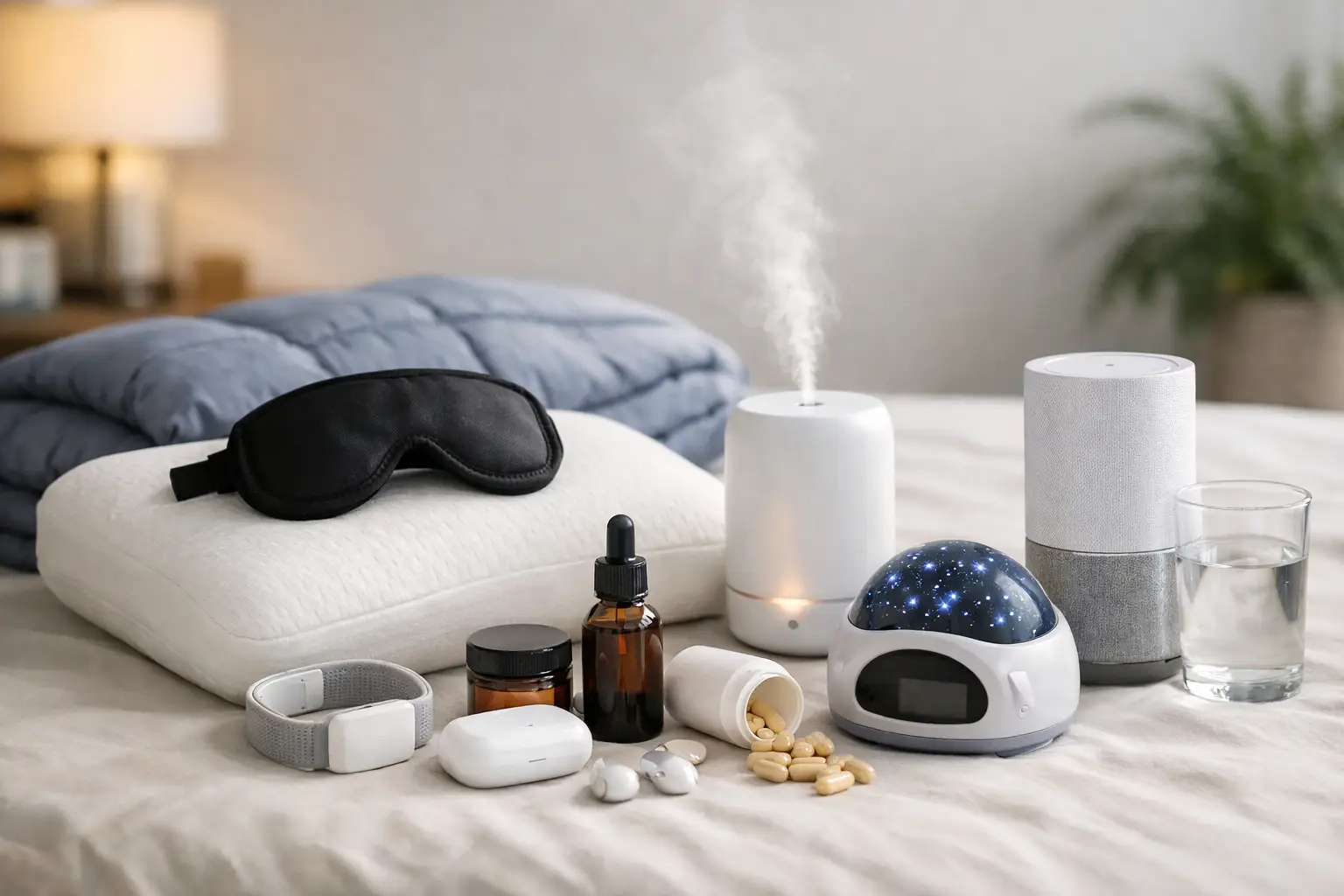
9 Sleep Products That Actually Help
This article contains affiliate links. If you buy through them I may earn a small commission at no extra cost to you..
The expensive gadget that promised to fix your sleep in a week is probably still in a drawer somewhere. That is usually the problem with sleep products that actually help – the useful ones tend to be simple, a bit boring, and far less glamorous than the marketing suggests.
If you are tired most days, waking in the night, or struggling to switch off properly, the best products are the ones that remove friction. They make your bedroom darker, quieter, cooler, or more comfortable. They support habits that already work, rather than pretending to replace them.
What makes sleep products that actually help?
A good sleep product usually does one of four things. It reduces light, reduces noise, improves comfort, or helps your body settle into a more consistent routine. That sounds obvious, but it matters because it filters out a lot of nonsense.
If a product cannot clearly improve your sleep environment or support a useful habit, be cautious. Most people do not need a complicated sleep stack. They need a bedroom that feels calm, dark, quiet, and comfortable enough for sleep to happen without a fight.
There is also a trade-off here. A product can be genuinely helpful and still not be necessary for everyone. If you sleep well already, you may not notice much difference. If your sleep is poor because of stress, alcohol, late caffeine, shift work, or a new baby in the house, no pillow or diffuser is going to solve the whole problem on its own.
Start with the bedroom, not the gimmicks
The products below are worth considering because they deal with common barriers to decent sleep. For most people, that is a better place to start than wearables, trendy sprays, or anything claiming to “hack” your nervous system.
1. Blackout curtains or a proper blackout blind
Light matters more than many people realise, especially in summer when the sun rises early. If your room gets bright at 5 am, your brain may treat that as a signal to wake up, even if you need another hour or two.
A proper blackout blind often works better than thin blackout curtains, but it depends on the window and how much light leaks around the edges. In some bedrooms, layering both gives the best result. This is particularly useful for shift workers, light sleepers, and anyone living near streetlights.
The key is fit. Cheap blackout products that leave gaps around the top and sides can be disappointing. If you are buying once, buy for coverage rather than style.
A well-reviewed option on Amazon UK is the NICETOWN Thermal Blackout Curtains – available in multiple sizes and consistently rated for coverage and value. For a blind rather than curtains, search “blackout roller blind” on Amazon and filter by your window size. Always measure the full recess width, not just the glass.
2. A pillow that suits how you sleep
People often keep an unsuitable pillow for years because replacing it feels oddly unnecessary. Then they wonder why they wake with a stiff neck, sore shoulders, or a restless feeling that never quite goes away.
The right pillow depends on your sleeping position. Side sleepers usually need more height and support to keep the neck aligned. Back sleepers often do better with a medium loft. Front sleeping is harder on the neck generally, but if that is how you sleep, a softer and flatter pillow tends to be less awkward.
Memory foam works well for some people because it holds shape. Others find it too warm or too firm. Feather and down can feel comfortable but may lose structure quickly. There is no perfect material, only a better match for your body and sleep position.
The Panda London Memory Foam Pillow is a popular UK choice for side sleepers — it holds its shape well and uses a bamboo-blend cover that sleeps cooler than standard foam. For a more traditional feel, the Silentnight Wellbeing Pillow is widely available and well rated for back sleepers.
3. A mattress topper before a whole new mattress
A full mattress replacement can be expensive and sometimes unnecessary. If your mattress is not sagging badly but feels too firm, too soft, or simply tired, a topper can make a noticeable difference for much less money.
This is one of the sleep products that actually help when the issue is comfort rather than something more complex. A decent topper can reduce pressure points, improve temperature feel slightly, and make it easier to settle without constant repositioning.
It will not rescue a completely worn-out mattress. But if your bed is broadly fine and just not quite right, a topper is often the more sensible first move.
The Silentnight Impress Memory Foam Topper is a solid mid-range option and one of the more consistently reviewed toppers on Amazon UK. If you prefer something softer, a goose feather and down topper tends to feel more forgiving if firmness is the main complaint.
4. White noise machine or a fan
Noise is one of the most common sleep disruptors, especially in towns, flats, or family homes. Traffic, neighbours, snoring, doors, and early morning birds can all be enough to pull you into lighter sleep.
A white noise machine can help by smoothing out sharp changes in sound. Some people do just as well with a fan, which has the added benefit of cooling the room. The best option depends on what bothers you. If your room already feels warm, a fan may be the more useful choice. If temperature is fine and sound is the main issue, a white noise machine is more flexible.
Avoid anything with overly complicated sound libraries or bright screens. You want a steady, unobtrusive background, not a bedside entertainment system.
The Dreamegg D1 White Noise Machine is a well-regarded, straightforward option — no unnecessary features, compact, and effective for most rooms. If you’d rather not buy a dedicated machine, a basic desk fan works nearly as well and has the bonus of cooling the room.
5. Earplugs, if you can tolerate them
Earplugs are not glamorous, but they can be extremely effective. For travel, noisy households, snoring partners, or street noise, they are one of the cheapest products with the highest upside.
Comfort is the deciding factor. Foam earplugs work for many people, but some prefer silicone or wax styles because they feel less intrusive. If earplugs hurt after an hour, you will not keep using them, so it is worth trying a few types before writing them off.
They are not ideal if you need to hear children during the night or if total silence makes you uneasy. In those cases, reducing noise rather than blocking it completely may be more realistic.
Mack’s Slim Fit Foam Earplugs are a good starting point if standard foam earplugs feel too large. For a softer alternative, Quies Wax Earplugs are widely available and less intrusive for people who find foam uncomfortable overnight.
6. A sleep mask that stays put
If blackout curtains are not possible, or you travel often, a sleep mask can do more than people expect. A good one blocks light without pressing heavily on the eyes or slipping off halfway through the night.
This matters for anyone dealing with early sunrise, a partner reading in bed, or a room that never gets properly dark. It is also useful for daytime sleep after night shifts.
Look for soft straps, breathable fabric, and a shape that does not squash your eyelids. A bad sleep mask is annoying enough to abandon after two nights. A good one disappears once it is on.
The Manta Sleep Mask is one of the better options for people who want genuine blackout without pressure on the eyelids — it uses adjustable eye cups rather than flat fabric. A simpler and less expensive alternative is the Alaska Bear Silk Sleep Mask, which is lightweight and comfortable if full blackout is not the priority.
7. Low, warm bedside lighting
This is not always sold as a sleep product, but it often helps more than branded sleep accessories. Bright overhead lighting in the evening can make it harder to feel sleepy, especially if you are going from laptop to ceiling spotlights to bed.
A bedside lamp with a warm bulb gives you a gentler wind-down. It creates a clearer signal that the day is ending. That will not knock you out instantly, but it can make your evening feel less stimulating.
For many people, this works best when paired with dimmer screens and a reasonably consistent bedtime. The lamp is not the magic. The routine it supports is the useful bit.
A dimmable warm white smart bulb in an existing bedside lamp is one of the cheapest changes you can make. The Philips Hue White bulb or any E27 warm white LED with a dimmer switch will do the job. You do not need a smart system — a simple lamp dimmer plug costs a few pounds.
8. Breathable bedding
If you wake hot, sweaty, or unsettled, your bedding may be part of the problem. Breathable cotton or linen sheets can feel much better than synthetic blends that trap heat.
This is especially relevant if you sleep warm, share a bed, or live in a home that holds heat overnight. Cooling products are heavily marketed, but often the simplest answer is just better fabric and not overdoing the duvet.
It depends on the season and the person. Some people need weight and warmth to feel settled, while others sleep far better with lighter bedding and a cooler room. Pay attention to how you actually feel at 2 am, not what sounds luxurious in product descriptions.
100% cotton percale sheets are breathable and easy to find on Amazon UK. For a lighter duvet through warmer months, a 4.5 tog option is worth having as a swap — it makes a noticeable difference in summer and costs far less than most sleep gadgets.
9. A basic alarm clock that keeps your mobile phone away
For some people, the most effective sleep purchase is the least exciting one – a simple alarm clock. If your mobile phone is your alarm, it is also your late-night scrolling device, news feed, inbox, and source of unnecessary stimulation.
Moving the mobile phone out of reach can reduce the temptation to check messages, keep the room darker, and make it less likely you wake yourself fully at 3 am. A separate alarm clock is a small environmental change, but it often supports better habits more reliably than products aimed directly at sleep.
A simple battery alarm clock with no backlight is all most people need — the Peakeep Twin Bell or any basic bedside clock works fine. If you struggle with dark mornings, a Lumie Bodyclock sunrise alarm clock is one of the more genuinely useful sleep purchases — it wakes you with gradual light rather than a jarring alarm.
What is usually not worth buying?
This is where a bit of honesty helps. Sleep sprays, trendy supplements, expensive trackers, and devices that claim to force deep sleep are often oversold. Some are harmless, and a few may help in specific situations, but the average person is better off sorting the basics first.
If your room is bright, noisy, stuffy, and uncomfortable, there is no point spending heavily on tech. If your evenings are full of caffeine, alcohol, work stress, and irregular bedtimes, a premium sleep gadget is treating the edges of the problem.
That does not mean all sleep tech is useless. It just means the return on investment is usually lower than with simple environmental fixes.
How to choose the right sleep products for you
Buy based on the problem you actually have. If light wakes you, deal with light. If you are uncomfortable, fix comfort. If noise is the issue, focus there first.
Try one or two changes at a time and give them a proper week or two. That is more useful than changing everything at once and having no idea what made the difference. For most readers, the best starting point is usually blackout, noise control, and pillow support.
If poor sleep is ongoing despite sensible changes, it is worth looking beyond products. Stress, anxiety, pain, sleep apnoea, reflux, medication, and hormone changes can all play a part. A product can help support better sleep, but sometimes the real issue needs a different kind of attention.
The good news is that better sleep often starts with fairly ordinary changes. Not flashy ones, not miracle fixes – just the sort of practical adjustments that make your nights less disrupted and your mornings a bit less grim.
Further Reading
If you enjoyed this article you might like to read these articles.
- How to avoid post lunch sleepiness
- The Real Guide to Daily Energy
- How to Improve Sleep Quality Naturally
The role of wellness products
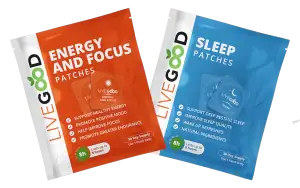
Some people explore supplements or wellness products to support their daily routines. While these can sometimes be helpful, they should be viewed as support rather than a replacement for healthy habits.
If you are interested in exploring wellness products that may support energy routines, you can browse the options available at the Wellthy Freedom Hub store.
Always read ingredient labels carefully and speak with a healthcare professional if you have medical conditions or take medication.
Disclosure: This site may link to products on wellthyfreedomhub.com. If you choose to buy, the store benefits. The guidance here is informational and not medical advice.

Richard Chambers is the founder of rrjchambers.com. He writes about practical ways to improve everyday health, energy, and wellbeing through simple routines, lifestyle habits, and carefully chosen wellness products. His focus is on clear, honest guidance that helps people make small changes that support better health over time.
Health Information Notice
The information in this article is intended for general educational purposes only and should not be considered medical advice. If you have concerns about your health, sleep, or energy levels, it is always best to consult a qualified healthcare professional.