
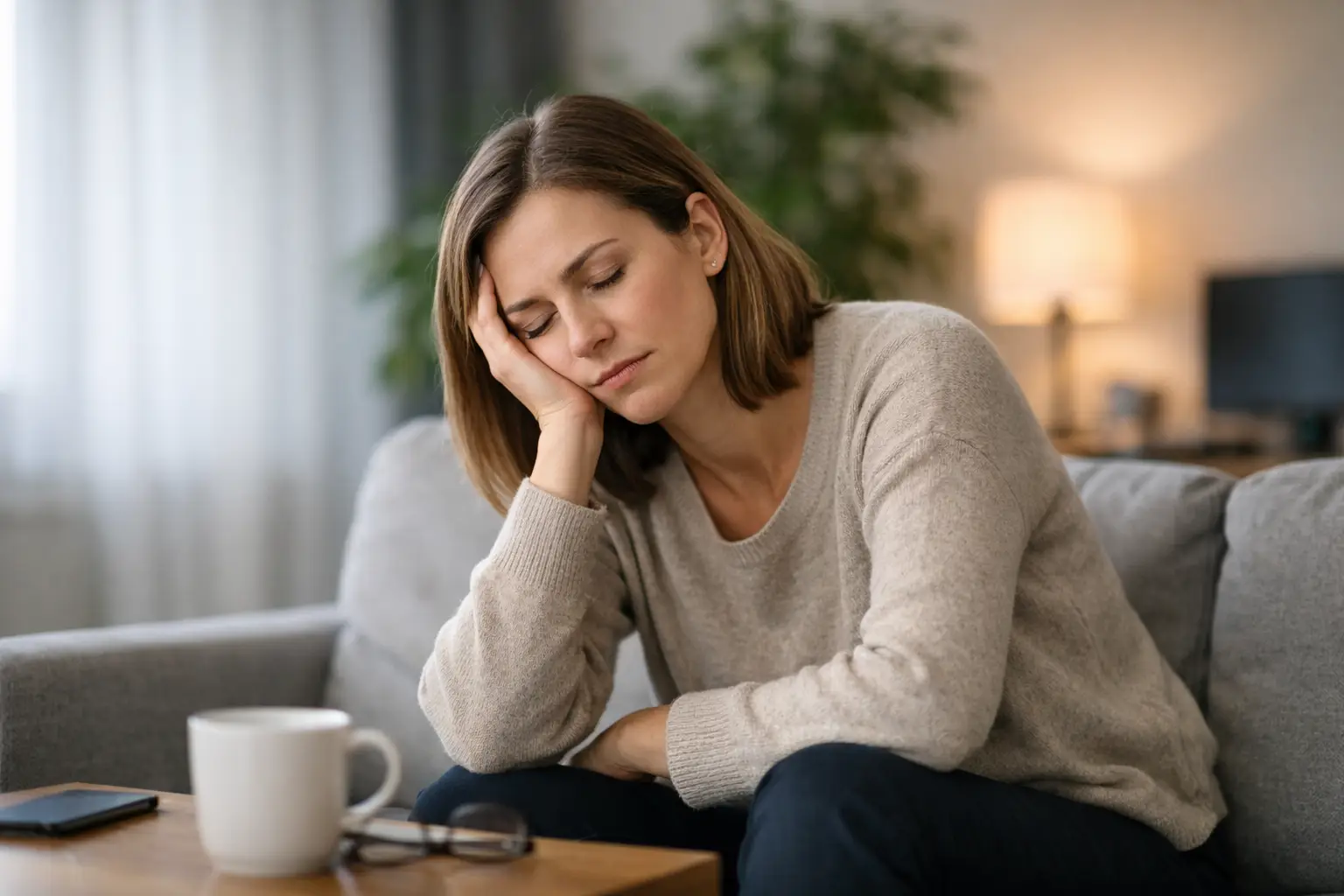
Why Do I Feel Drained Indoors? Common Causes
The difference can be surprisingly clear: you feel reasonably alert when you step outside, then flat, foggy or sleepy after an hour at your desk, on the sofa, or doing jobs at home. If you are asking, why do I feel drained indoors, the answer is rarely one dramatic problem. More often, your home or workplace is quietly nudging your body towards lower alertness through dim light, stillness, warm rooms, stale air and routines that blur work, rest and sleep.
That does not mean the feeling is imaginary, or that you need an expensive wellness setup. A few ordinary adjustments can make a noticeable difference. But persistent fatigue deserves proper attention too, especially when it does not improve outside or alongside better rest.
Why do I feel drained indoors more than outside?
Outdoor environments naturally give the body more of the signals associated with daytime alertness. Daylight is brighter than indoor lighting, even on an overcast British day. You tend to move more, look into the distance, experience changing temperatures and have a clearer reason to be awake and active.
Indoors, the opposite often happens. You may sit in one position for long stretches beneath lighting that is too dim for daytime, with a laptop close to your face and a room that is warmer than it needs to be. None of these factors is necessarily a problem alone. Together, they can leave you feeling as though the day has already got the better of you.
There is also a mental element. If the kitchen table is your office, lunch spot and evening scrolling station, your brain receives few clear transitions. The day becomes one long, low-level demand. That can feel like physical tiredness, even when you have not done anything strenuous.
Daylight is a stronger energy cue than most people realise
Your body clock uses light to help regulate sleep and wakefulness. Morning and daytime light tell the brain that it is time to be alert; lower light later in the day helps prepare you for sleep. Typical indoor lighting often provides far less brightness than daylight, particularly in rooms set back from windows.
This is why a gloomy home office can make a 10am task feel like late afternoon. It is not a personal failing or a lack of discipline. Your environment may simply be giving your body weak daytime signals.
Start with the simplest change: open curtains and blinds as soon as you are up, and spend some time near a window in the morning. Better still, go outside for 10 to 20 minutes. A walk to the end of the road, a school run taken on foot, or standing in the garden with a tea all count. The goal is regular exposure, not perfection.
If you work indoors all day, arrange your desk so you face daylight from the side where possible. Avoid working with a bright window directly behind your screen, which can create glare and eye strain. On darker days, use a properly positioned desk lamp rather than relying on one dim ceiling light.
Stillness causes an energy dip
Sitting is not automatically bad, but long unbroken periods of sitting can make you feel sluggish. Muscles are doing less work, circulation slows and concentration naturally drifts. Many people respond by reaching for more coffee, then remain in the same chair. That may get them through the next hour, but it does not solve the underlying pattern.
Outdoor trips interrupt this cycle without much effort. You walk, climb stairs, change pace and look around. At home, especially when working remotely, those small movements can disappear.
Try linking movement to things you already do. Stand up when you make a drink. Walk around during a phone call. Take five minutes outside after lunch rather than scrolling at your desk. If your afternoon energy usually falls away, a brief brisk walk is often more useful than another biscuit and a second or third coffee.
You do not need a demanding workout in the middle of the working day. The useful habit is frequent, modest movement that prevents hours of complete stillness.
Air, warmth and comfort can become too much
A stuffy room can make concentration harder, particularly when several people have been in it for hours. Opening a window for a few minutes, using trickle vents where available, or moving to another room can help refresh the space. In winter, you do not need to make your home cold. Short, regular bursts of ventilation are often enough.
Room temperature matters as well. A very warm room encourages drowsiness, especially after lunch or when you are sitting still. If you repeatedly feel sleepy in one room, try reducing the heating slightly, removing an extra layer, or taking a short break in cooler air.
Do not overlook damp or mould. A musty smell, visible mould, recurring condensation or symptoms that are clearly worse in one room are worth dealing with rather than masking with air freshener. Report problems promptly if you rent, and seek qualified advice for significant damp or ventilation issues.
There is one safety exception. If anyone in your home develops headache, dizziness, nausea, weakness, confusion or unusual tiredness that improves when they leave the building, consider carbon monoxide as a possibility. Leave the property, get fresh air and seek urgent advice. Make sure you have working carbon monoxide alarms near fuel-burning appliances, as recommended for your home.
Screens can tire you without making you sleepier
Screen fatigue is often described as tired eyes, but it can spread into the rest of the day. Close-up work asks your eyes to focus continuously. Bright screens in a dim room, small text, glare and an unbroken flow of messages can all make you feel worn out.
This is different from genuine sleepiness. You may not be able to nap, yet you feel mentally spent and unable to start the next task. The answer is usually not to force yourself through for another two hours.
Make your screen easier to use: increase text size, reduce glare, keep the room reasonably lit and position the screen about an arm’s length away. Every so often, look across the room or out of a window for a minute. This gives your eyes a change of focus and gives your attention a brief reset too.
In the evening, screens can create a second problem. If phone use stretches late into the night, it can push back your wind-down routine and make sleep less consistent. The next day, indoor fatigue feels worse because it is now linked to real sleep debt.
Food, fluids and the indoor routine
Home working can make eating patterns oddly irregular. Some people forget lunch, then become irritable and exhausted at 3pm. Others graze on quick, sugary snacks because the cupboard is close by, then experience an energy crash. Neither pattern supports steady concentration.
Aim for ordinary meals that keep you going: protein, fibre-rich carbohydrates, fruit or vegetables, and enough fluid across the day. A sandwich with a piece of fruit and yoghurt may serve you better than skipping lunch and relying on biscuits later. Keep water visible at your desk if you tend to forget it.
Caffeine is useful for some people, but timing matters. A late-afternoon coffee may make you feel more functional in the moment while making it harder to sleep that night. If your energy is inconsistent, try keeping caffeine earlier in the day for a week and notice whether your sleep and morning alertness change.
A practical reset for the next seven days
Rather than changing everything, test a few basics consistently. For one week, get outside soon after waking, open up your main daytime room, and take a short movement break at least once every hour or two. Eat a proper lunch, drink regularly and make a point of leaving your work area at the end of the day.
Pay attention to patterns. Are you most drained in a particular room? Is it worse after poor sleep, on grey days, after a heavy lunch, or when you have not left the house? That information is more useful than guessing, because it shows which change is likely to have the greatest effect.
When tiredness needs a GP appointment
Indoor habits can contribute to low energy, but they are not the explanation for every case. Speak to your GP if fatigue is persistent, worsening, affecting daily life, or not improving after a few weeks of sensible routine changes. It is particularly worth getting checked if tiredness comes with breathlessness, chest pain, palpitations, unexplained weight change, fever, persistent low mood, loud snoring or waking unrefreshed, or changes in bowel habits.
Common medical causes of fatigue include anaemia, thyroid problems, diabetes, sleep apnoea, infections, medication effects and depression or anxiety. You do not need to diagnose yourself. A clinician can consider your symptoms, sleep, lifestyle and any tests that may be appropriate.
Your home should support your energy, not steadily drain it. Start by making daytime feel more like daytime: brighter light, fresher air, regular movement and clearer breaks. Small changes, repeated most days, are usually more valuable than a complicated new routine.
Further Reading
If you enjoyed this article you might like to read these articles.
- A Practical Afternoon Slump Fix That Lasts
- The Real Guide to Daily Energy
- Morning Sunlight Benefits for Energy and Sleep
The role of wellness products

Some people explore supplements or wellness products to support their daily routines. While these can sometimes be helpful, they should be viewed as support rather than a replacement for healthy habits.
If you are interested in exploring wellness products that may support energy routines, you can browse the options available at the Wellthy Freedom Hub store.
Always read ingredient labels carefully and speak with a healthcare professional if you have medical conditions or take medication.
Disclosure: This site may link to products on wellthyfreedomhub.com. If you choose to buy, the store benefits. The guidance here is informational and not medical advice.

Richard Chambers is the founder of rrjchambers.com. He writes about practical ways to improve everyday health, energy, and wellbeing through simple routines, lifestyle habits, and carefully chosen wellness products. His focus is on clear, honest guidance that helps people make small changes that support better health over time.
Health Information Notice
The information in this article is intended for general educational purposes only and should not be considered medical advice. If you have concerns about your health, sleep, or energy levels, it is always best to consult a qualified healthcare professional.