
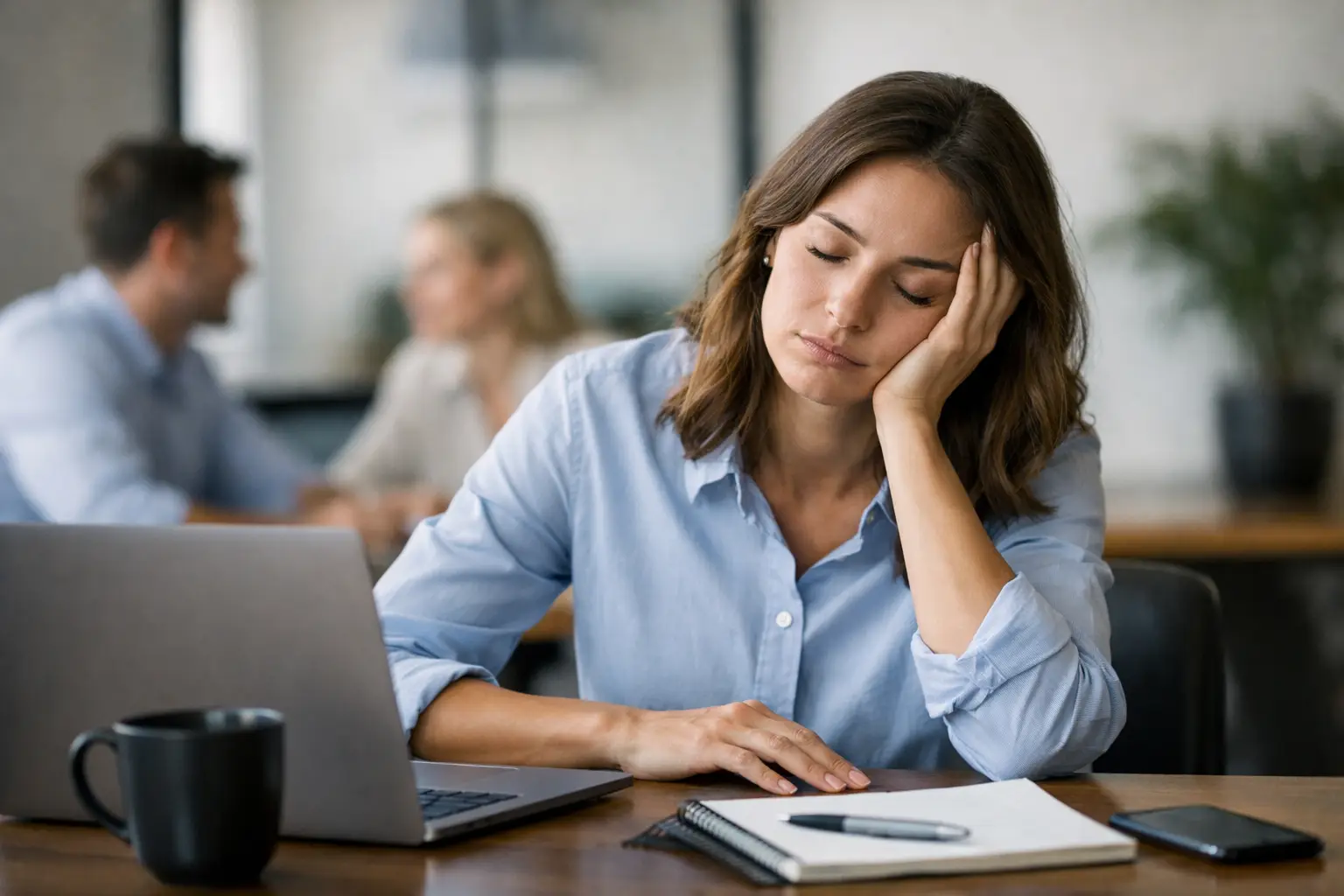
Why Low Energy Happens Day to Day
Some people blame laziness when they feel flat by mid-morning. Most of the time, that is not what is going on. If you have been wondering why low energy happens, the answer is usually less dramatic and more useful: your daily habits, environment, sleep, stress levels and basic health all interact, and small problems can build into a very tired body.
Low energy is not always about doing too much. Sometimes it comes from doing the wrong things at the wrong time, or missing the basics often enough that your body never really catches up. That is why quick fixes often disappoint. A stronger coffee can help for an hour. It does not solve the reason you keep feeling drained.
Why low energy happens more often than people realise
Energy is not a fixed trait. It changes with sleep quality, food intake, hydration, movement, light exposure, stress, illness and even the timing of your routine. Many adults assume tiredness is just part of modern life, especially if they are juggling work, family and poor sleep. But feeling regularly worn out is often a sign that something in your day is working against you.
The tricky part is that low energy rarely has one single cause. You might be sleeping for seven hours but waking often. You might be eating enough but relying on foods that leave you sluggish. You might spend all day indoors under dim lighting, barely move, and then wonder why your alertness never really arrives. Each factor on its own may seem minor. Together, they matter.
Sleep quantity is only part of the story
When people think about tiredness, they usually think about going to bed earlier. That can help, but sleep quality matters just as much as time in bed. If your room is too warm, too bright or too noisy, you can spend plenty of hours in bed and still wake up feeling unrefreshed.
Irregular bedtimes also play a part. Your body tends to respond well to rhythm. Going to sleep at 10.30 pm one night, midnight the next, and 1 am at the weekend can make mornings feel harder than they should. Shift work, parenting and stress can make consistency difficult, so this is not about perfection. It is about noticing whether your routine gives your body any chance to settle into a pattern.
Poor sleep can also be linked to snoring, sleep apnoea, reflux, alcohol, late heavy meals and too much evening screen time. The result is the same: your brain and body do not get the recovery they need. According to the NHS, ongoing fatigue is often tied to disrupted or insufficient sleep, even when people think they are getting enough.
Light, movement and routine affect alertness
One reason low energy happens in people who work from home or spend long hours indoors is simple: the body responds to light and movement cues. Morning daylight helps regulate your body clock and supports alertness. If you wake in darkness, sit indoors most of the day and get very little natural light, your system can feel sluggish.
Movement matters for the same reason. It seems backwards, but being inactive often makes you feel more tired, not less. Gentle regular movement helps circulation, mood and sleep quality. That does not mean you need hard exercise sessions every day. A brisk walk, short stretch breaks or simply getting up from your desk more often can make a noticeable difference.
Routine counts too. Skipping breakfast, working through lunch, drinking very little water and then collapsing on the sofa late afternoon is a pattern many people fall into. It is also a pattern that makes steady energy harder to maintain.
Food can support energy or work against it
Food is often treated as either miracle fuel or the enemy. In reality, it is more ordinary than that. Your meals affect blood sugar, concentration and how steady your energy feels across the day.
If you regularly rely on sugary snacks, pastries or large refined-carb lunches, you may get a quick lift followed by a dip. If you under-eat because you are busy, that can leave you foggy and flat as well. Many people do not need a complex diet plan. They need meals that are regular, reasonably balanced and satisfying enough to prevent the cycle of caffeine, cravings and crashes.
Protein, fibre and slower-digesting carbohydrates tend to help with steadier energy. So does not leaving long gaps without eating if that makes you over-hungry later. It depends on the person, of course. Some people do well with a light breakfast. Others clearly feel worse without one. The useful question is not what is trendy. It is what leaves you clear-headed and stable rather than jittery and exhausted.
Dehydration is easy to miss
Mild dehydration can make you feel tired, headachy and less focused, yet many people do not spot it. Tea and coffee do contribute to fluid intake, but they are not always enough if water is otherwise low, especially in warmer weather or if you are very active.
This is one of the most common everyday reasons for feeling off without understanding why. The fix is not glamorous. Keep water nearby, drink regularly through the day, and pay attention to whether your energy improves when your hydration does. No hype. Just simple habits that work.
Stress drains energy even when you are sitting still
Stress is tiring in a very real physical sense. When your mind stays switched on, your body rarely settles properly. You might feel wired in the evening, sleep badly, wake tired and then push through the day with caffeine. That can become a loop.
Emotional stress, low mood and mental overload can all show up as low energy. This is one reason fatigue cannot always be fixed by sleep alone. If your nervous system is stuck in a constant state of pressure, rest may not feel restorative.
That does not mean you need to overhaul your life overnight. It may mean your energy improves when you reduce unnecessary stimulation, step away from screens earlier, take proper breaks and stop treating every day like an emergency.
Health issues can sit behind persistent fatigue
Sometimes the reason why low energy happens is not mainly lifestyle. Iron deficiency, thyroid problems, low vitamin B12, diabetes, chronic pain, depression, menopause, infections and some medications can all contribute to fatigue. If your tiredness is persistent, getting worse, or accompanied by symptoms such as breathlessness, dizziness, unexplained weight change, heavy periods or low mood, it is worth speaking to a GP.
This matters because normal tiredness and ongoing fatigue are not always the same thing. Lifestyle habits are important, but they are not the answer to everything. A sensible approach is to improve the basics while also getting medical advice when the pattern does not make sense or does not improve.
What to look at first if your energy feels low
Start with the factors that are both common and changeable. Are you sleeping at roughly the same time most nights? Do you get outside early in the day? Are you drinking enough? Are you moving enough to stay alert? Are your meals helping or are they setting up energy dips? Is stress keeping your system on edge?
There is no prize for fixing everything at once. In fact, that usually backfires. Pick one or two areas and test them for a week or two. A consistent bedtime, ten minutes of morning daylight, a proper lunch and more water can do more than another supplement sitting in the cupboard.
That practical mindset is what helps most. RRJChambers focuses on daily energy for exactly this reason: the basics are not glamorous, but they are often where the change happens.
When tiredness is common, but not normal
Many adults have accepted low energy as standard. Busy job, poor sleep, too much screen time, not enough daylight – that all gets written off as life. But common is not the same as normal. If you are regularly dragging yourself through the day, your body is giving you information.
The useful response is not guilt. It is curiosity. Look at your days honestly. Notice the patterns. Then make changes that are realistic enough to stick.
You do not need a dramatic reset to feel better. Often, you need a few basic habits repeated long enough for your body to trust them.
Further Reading
If you enjoyed this article you might like to read these articles.
- How to avoid post lunch sleepiness
- The Real Guide to Daily Energy
- How to Improve Sleep Quality Naturally
The role of wellness products

Some people explore supplements or wellness products to support their daily routines. While these can sometimes be helpful, they should be viewed as support rather than a replacement for healthy habits.
If you are interested in exploring wellness products that may support energy routines, you can browse the options available at the Wellthy Freedom Hub store.
Always read ingredient labels carefully and speak with a healthcare professional if you have medical conditions or take medication.
Disclosure: This site may link to products on wellthyfreedomhub.com. If you choose to buy, the store benefits. The guidance here is informational and not medical advice.

Richard Chambers is the founder of rrjchambers.com. He writes about practical ways to improve everyday health, energy, and wellbeing through simple routines, lifestyle habits, and carefully chosen wellness products. His focus is on clear, honest guidance that helps people make small changes that support better health over time.
Health Information Notice
The information in this article is intended for general educational purposes only and should not be considered medical advice. If you have concerns about your health, sleep, or energy levels, it is always best to consult a qualified healthcare professional.