
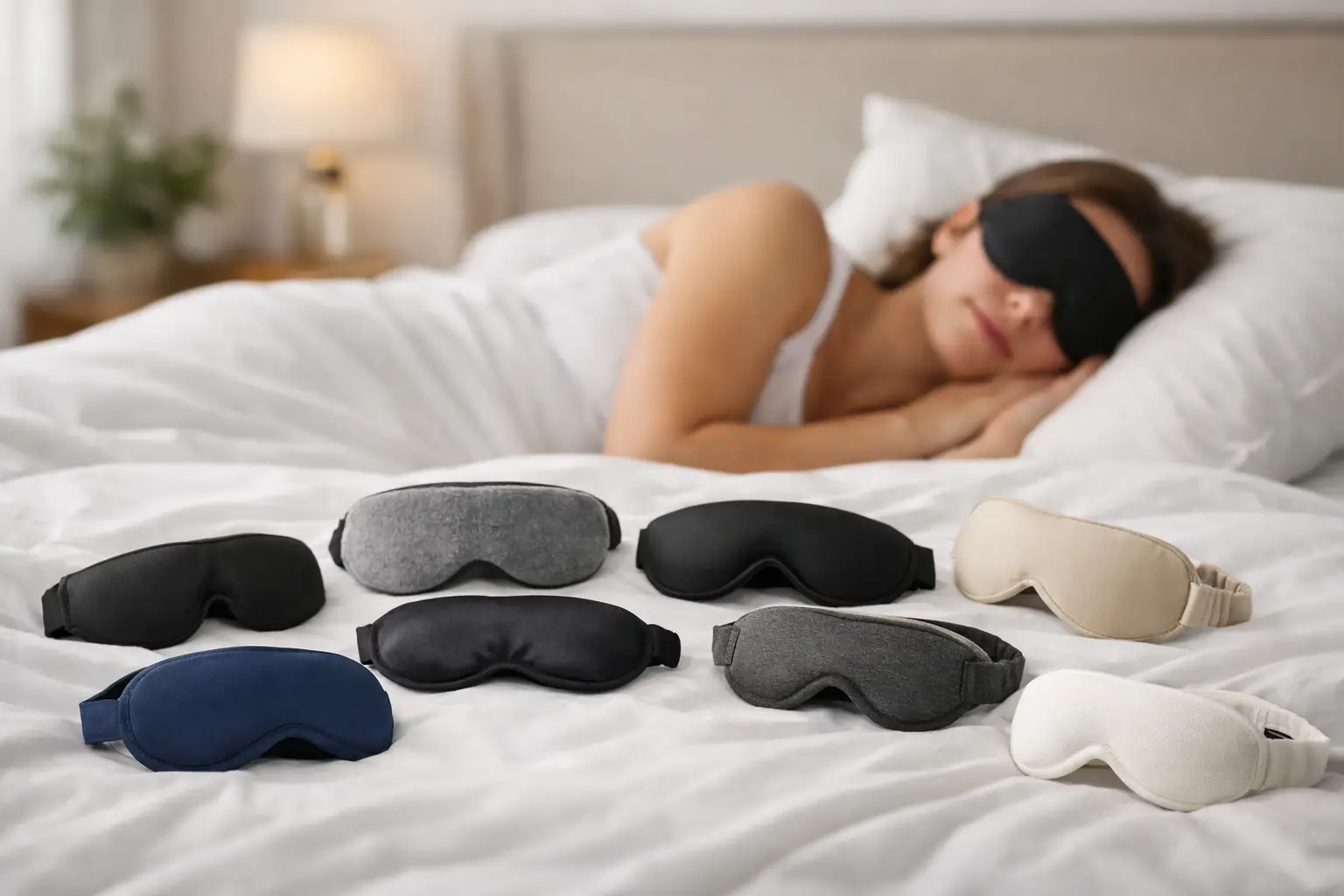
8 Best Sleep Masks for Side Sleepers
This article contains affiliate links. If you buy through them I may earn a small commission at no extra cost to you.
If you sleep on your side, a bad sleep mask makes itself known quickly. You feel the strap digging in behind your head, the fabric bunching near your nose, or the edge pressing into the pillow until you give up and pull it off at 2am. That is why finding the best sleep masks for side sleepers is less about fancy extras and more about comfort, fit, and how the mask behaves once your face meets the pillow.
Side sleepers need something slightly different from the average sleep mask. A mask can look soft and well made in product photos, then feel awkward the moment there is pressure from one side. The best options tend to be slimmer, more stable, and less bulky around the temples and eye area. They block light well, but they also stay wearable for a full night rather than just the first twenty minutes.
What side sleepers should look for in a sleep mask
The biggest factor is profile. Thick foam, oversized eye cups, and chunky side panels can work well if you sleep on your back, but they often become uncomfortable on your side. When your cheek is pressed into the pillow, any extra bulk can shift the mask or create pressure points. A lower-profile mask usually works better, especially if you move between both sides during the night.
Strap design matters just as much. A thin, adjustable strap is often more comfortable than a wide, rigid band, particularly if it sits flat and does not catch in your hair. Some people prefer a soft stretch strap because it feels less noticeable, but too much stretch can mean the mask slips off by morning. It depends on how much you move in your sleep and whether you want a secure fit or a barely-there feel.
Material is another practical detail people underestimate. Silk and smooth modal fabrics feel gentle on the skin and can be a good choice if you run warm or have sensitive skin. Cotton can feel breathable and familiar, though not all cotton masks block light as effectively. Memory foam can improve the blackout effect, but for side sleepers it is only helpful if it stays slim. Once it becomes too padded, comfort drops off.
The nose fit is often what separates an acceptable mask from a genuinely useful one. Light leaks around the bridge of the nose are common, especially in the early morning. A mask with a shaped or flexible nose section usually performs better than a flat one. This matters even more in summer, when sunrise arrives early and bedroom light can interfere with sleep timing.
The best sleep masks for side sleepers by type
There is no single best option for everyone, because face shape, pillow firmness, skin sensitivity, and sleeping position all affect what feels comfortable. Still, most good choices fall into a few clear categories.
Best for a barely-there feel
A slim silk sleep mask is often the safest starting point. These masks tend to sit close to the face, feel smooth against the skin, and create less pressure against the pillow. They are particularly good if your main complaint is discomfort rather than complete blackout. The trade-off is that some lighter silk masks let in a little more light around the edges, especially if the fit is loose.
This type suits people who already sleep reasonably well but want a small improvement, perhaps because a partner reads in bed, streetlights reach the room, or summer mornings wake them too early.
Best for proper blackout
Contoured masks with moulded eye space can block light very effectively, but side sleepers need to be selective. Look for a low-profile contoured design rather than a deep, bulky cup. A well-designed version lets you blink freely and keeps pressure off the eyelids without sticking too far out from the face.
These are useful if you work shifts, sleep during daylight hours, or have a bedroom that never gets fully dark. Just be realistic about the fit. Some blackout masks perform brilliantly when you lie on your back, then shift the moment your face turns into the pillow.
Best for sensitive skin
Natural silk or soft bamboo-derived fabrics are usually the most comfortable choice if you wake with irritated skin or notice friction around the eyes. A softer fabric will not solve every issue, but it can reduce rubbing and help the mask feel less intrusive. This is especially helpful if you already deal with dry eyes, facial skincare products at night, or mild skin sensitivity.
The trade-off here is durability. Some very soft masks need gentler washing and can lose shape faster than simpler cotton or synthetic options.
Best for staying in place
If your mask is always halfway across the bed by morning, look at wrap-style designs or masks with a secure but flat adjustable strap. Stability matters more than softness if you move a lot in your sleep. A mask that stays put with moderate tension is usually better than one that feels luxuriously soft but slips every time you turn over.
This is where trying the mask for several nights matters. First impressions are useful, but staying power usually becomes obvious after a week rather than a single night.
Features that sound good but do not always help
Cooling inserts, weighted fronts, built-in audio, and extra-deep padding can all sound appealing. For side sleepers, they are often more trouble than they are worth.
Weighted masks can feel calming for some people, but the added pressure is not always comfortable against a pillow. Built-in speakers are convenient in theory, yet many side sleepers find they create pressure at the ears. Deeply padded masks may improve blackout, but they can also push the mask out of place when you turn your head.
That does not mean these features are bad. It means they are more niche. If your main goal is better comfort and darkness through the night, simpler designs often win.
How to choose the right one for your sleep habits
If you sleep mostly on one side and hardly move, you can get away with a slightly more structured mask. If you switch sides often, a softer and slimmer design will usually be more forgiving. If you sleep hot, prioritise breathable fabric over maximum padding. If your room is bright in the morning, make blackout fit the priority and accept that the mask may feel a little more noticeable.
It also helps to think about why you want a sleep mask in the first place. If light exposure is affecting your sleep timing, a better blackout mask can be genuinely useful. Light has a direct effect on circadian rhythm and melatonin timing, which is one reason dark sleep environments tend to support better sleep quality. Guidance from the NHS and sleep researchers broadly supports the value of a dark, quiet bedroom for sleep.
If, on the other hand, your sleep is poor because of stress, caffeine late in the day, or irregular hours, a sleep mask can help but it will not fix the bigger issue. This is where a no-nonsense approach matters. A mask is a tool, not a cure-all.
Best sleep masks for side sleepers: common mistakes
One common mistake is buying for softness alone. Soft fabric is nice, but if the mask leaks light badly or shifts with every movement, it will not do much for your sleep. Another is assuming expensive automatically means better. Some premium masks are excellent, but some cheaper options outperform them simply because they are thinner and fit better.
People also tend to overtighten the strap when a mask slips. That can create headaches, leave marks on the skin, and make the whole thing harder to tolerate. Usually the better fix is a different shape or strap style, not more tension.
Washing matters too. Oils from skin and hair products build up over time, which can make the mask less comfortable and less breathable. A clean mask generally feels better and lasts longer.
A sensible shortlist before you buy
If you are choosing between several masks, narrow them down with four questions. Is it low profile enough for side sleeping? Does it have an adjustable strap that sits flat? Will the fabric suit your skin and temperature needs? And does the nose area look capable of blocking light without pressing too hard?
That simple filter removes most of the disappointing options. For many people, the best sleep masks for side sleepers are not the ones with the most features. They are the ones you forget you are wearing.
At RRJChambers, the useful test is straightforward: does it help you stay asleep with less fuss? If the answer is yes, it is doing its job. A good sleep mask should make the night feel quieter and darker, not more complicated. Choose the one that fits your sleeping position, your room, and your routine, and let the small improvement do its work.
Our top picks on Amazon UK
Best overall for side sleepers
The Gritin 3D Sleep Mask is a UK Amazon bestseller with thousands of consistent reviews. The contoured shell keeps pressure off your eyelids when sleeping on your side, the adjustable strap sits flat against the back of the head without digging in, and the breathable memory foam stays comfortable through the night. One of the better value options currently available on Amazon UK.
Best for total blackout
The Manta Sleep Mask takes the contoured concept further with fully adjustable, modular eye cups that you position to suit your face shape. More expensive than most, but the adjustability makes it worth it if standard masks never seem to fit properly. One of the few that maintains its seal when your head is sideways on a pillow.
Best silk option
For anyone who finds foam or synthetic masks too warm, the Drowsy Silk Sleep Mask is a well-regarded UK option. Pure mulberry silk on both sides, a soft padded strap that does not snag hair, and a wide enough profile to block light without sitting uncomfortably on the nose bridge. Better suited to people who sleep warm or have sensitive skin.
Best budget contoured option
If you want to try a contoured mask without spending much, the ALASKA BEAR Contoured Sleep Mask is a reliable low-cost starting point. It uses a lightweight 3D shell rather than memory foam, which keeps it breathable. Not as refined as the MANTA but considerably cheaper, and effective enough for most people.
Best for travel
For travel, the Dozzz 22 Momme Mulberry Silk Eye Mask or any slim contoured travel mask works well. A practical alternative is the Tempur Sleep Mask – Tempur is a well-known UK brand available widely on Amazon UK, with a contoured memory foam design that packs easily and holds its shape in a travel bag.
Best for those who run warm
The Nidra Deep Rest Sleep Mask has an unusual winged design that creates a seal against the face without any foam padding touching the eye area. Very lightweight and cool to wear — a good option if you find most masks stuffy or uncomfortable in warmer months.
All six options above are available on Amazon UK with free delivery on Prime orders. Prices change frequently so it is worth checking current listings — what matters most is finding the right shape for your face rather than the most expensive option.
Further Reading
If you enjoyed this article you might like to read these articles.
- How to avoid post lunch sleepiness
- The Real Guide to Daily Energy
- How to Improve Sleep Quality Naturally
The role of wellness products
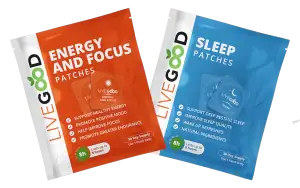
Some people explore supplements or wellness products to support their daily routines. While these can sometimes be helpful, they should be viewed as support rather than a replacement for healthy habits.
If you are interested in exploring wellness products that may support energy routines, you can browse the options available at the Wellthy Freedom Hub store.
Always read ingredient labels carefully and speak with a healthcare professional if you have medical conditions or take medication.
Disclosure: This site may link to products on wellthyfreedomhub.com. If you choose to buy, the store benefits. The guidance here is informational and not medical advice.

Richard Chambers is the founder of rrjchambers.com. He writes about practical ways to improve everyday health, energy, and wellbeing through simple routines, lifestyle habits, and carefully chosen wellness products. His focus is on clear, honest guidance that helps people make small changes that support better health over time.
Health Information Notice
The information in this article is intended for general educational purposes only and should not be considered medical advice. If you have concerns about your health, sleep, or energy levels, it is always best to consult a qualified healthcare professional.