
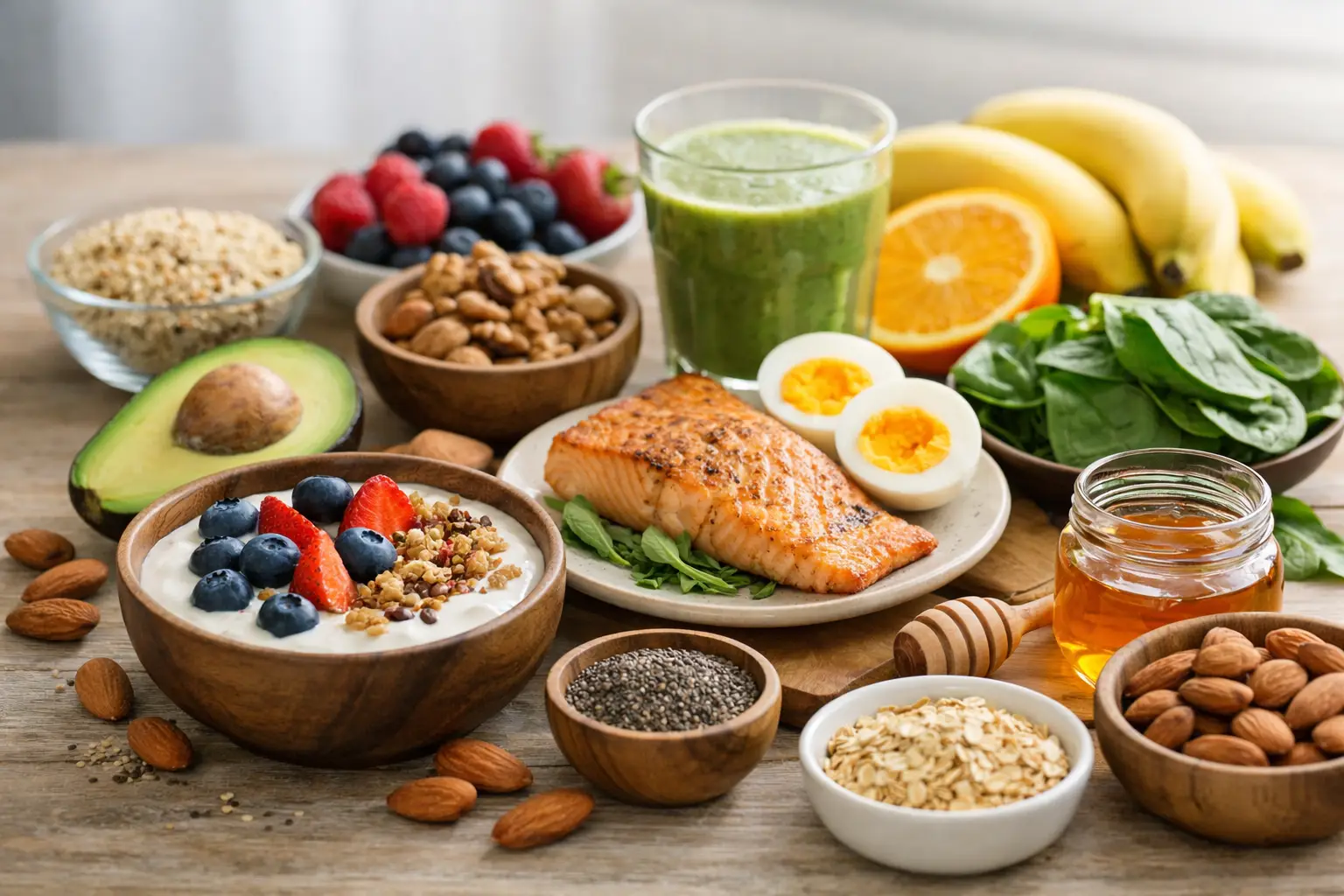
12 Foods That Help Energy Levels All Day
The 3pm biscuit run is rarely a sign that you lack willpower. More often, it follows a breakfast that did not fill you up, a rushed lunch, too little water, poor sleep, or all four. Foods that help energy levels are not usually exotic powders or expensive supplements. They are ordinary foods that provide a steadier supply of fuel and the nutrients your body needs to use it.
Food cannot solve every cause of tiredness. Stress, poor sleep, low mood, medication and health conditions can all play a part. But eating regularly and choosing meals with fibre, protein and healthy fats can make the working day feel noticeably more manageable.
What foods that help energy levels actually do
Your body turns carbohydrate into glucose, which is a key source of energy. The issue is not that carbohydrates are inherently bad. It is how quickly they are digested, and what you eat alongside them.
A sugary cereal, white toast with jam, or a large pastry can give you a quick lift, followed by a sharper drop in hunger and concentration. A meal built around slower-release carbohydrates, protein and fibre tends to keep you fuller for longer. Think porridge with yoghurt and berries rather than toast on its own.
The goal is not perfect eating. It is reducing the number of times your day is driven by a sudden energy dip.
12 everyday foods for steadier energy
1. Porridge oats
Oats are a practical breakfast choice because they contain fibre and provide slow-release carbohydrate. Make them with milk or a fortified plant alternative, then add nuts, seeds, fruit or yoghurt. That extra protein and fat helps the meal last longer than a bowl of cereal eaten in a hurry.
2. Eggs
Eggs provide protein and several useful nutrients, including B vitamins. They work well when mornings are busy because boiled eggs can be prepared in advance, while scrambled or poached eggs make a filling breakfast or light lunch. Pair them with wholemeal toast, tomatoes or beans for a more balanced plate.
3. Beans, lentils and chickpeas
Tinned beans are one of the least glamorous but most useful cupboard foods. They offer fibre, plant protein and carbohydrate in one affordable ingredient. Add lentils to soup, chickpeas to a salad, or beans to a jacket potato. These meals tend to satisfy better than a sandwich and crisps alone.
4. Wholegrain bread, pasta and rice
Wholegrains are not a magic fix, but they are often a better everyday base than highly refined alternatives. Brown rice, wholewheat pasta and wholemeal bread generally provide more fibre, which can support a steadier release of energy.
If you do not enjoy wholegrain versions, do not force it. Mixing white and brown rice, or choosing a seeded loaf you genuinely like, is more useful than buying food that sits untouched in the cupboard.
5. Bananas
Bananas are convenient, inexpensive and easy to take to work. They provide carbohydrate and potassium, and are especially useful before a walk, gym session or long commute. On their own, they may not keep you going for long, so try one with a handful of nuts or a pot of yoghurt if you need a more substantial snack.
6. Berries and other fruit
Fruit is a straightforward way to add fibre, fluid and nutrients to your day. Berries, apples, pears and oranges are all good options. There is no need to chase one particular ‘superfood’. The best fruit is usually the one you will eat regularly, whether it is a banana at your desk or frozen berries stirred into porridge.
7. Greek yoghurt or plain yoghurt
Yoghurt can provide protein, calcium and a quick, filling snack when paired with fruit and oats. Plain or Greek yoghurt is often a better starting point than heavily sweetened varieties, which can contain more added sugar than you expect. If you prefer plant-based yoghurt, look for one with added calcium and a useful amount of protein.
8. Nuts and seeds
Almonds, walnuts, peanuts, pumpkin seeds and sunflower seeds offer healthy fats, protein and minerals. A small handful can make a snack more satisfying or turn a light breakfast into one that carries you to lunch.
Portion size still matters because nuts are calorie-dense. A small handful is usually enough. Keeping a container in your bag or desk drawer can help you avoid relying on vending-machine snacks when hunger hits.
9. Leafy green vegetables
Spinach, kale, spring greens and broccoli contain folate and other nutrients involved in normal energy metabolism. They are also useful sources of iron, though the iron from plant foods is not absorbed as easily as iron from meat or fish.
Have leafy greens with foods rich in vitamin C, such as peppers, tomatoes or citrus fruit, to help absorption. If you suspect low iron because tiredness is persistent or you also feel breathless, dizzy or unusually pale, speak to your GP rather than self-treating with supplements.
10. Oily fish
Salmon, sardines, mackerel and trout provide protein, vitamin D and omega-3 fats. They will not give an immediate buzz in the way coffee can, but they are a useful part of a diet that supports general wellbeing. Tinned sardines or mackerel on toast are quick, affordable options.
Aim for variety rather than feeling you must eat oily fish every day. If you do not eat fish, beans, lentils, walnuts, chia seeds and fortified foods can still form part of a balanced diet.
11. Potatoes and sweet potatoes
Potatoes have an unfair reputation. Boiled, baked or mashed potatoes can be a filling source of carbohydrate, particularly when eaten with their skin and paired with protein and vegetables. A jacket potato with beans, tuna or cottage cheese is a much steadier lunch than it is often given credit for.
Sweet potatoes are also nutritious, but they are not automatically superior. Choose whichever is practical, affordable and suits the meal.
12. Water-rich foods and fluids
Mild dehydration can contribute to headaches, poor concentration and fatigue. Food helps here too: soups, fruit, vegetables, yoghurt and milk all contribute to fluid intake. Still, a water bottle within reach is usually the simplest solution.
There is no single amount that suits everyone. Your needs change with weather, activity, pregnancy, illness and how much you sweat. Pale yellow urine is a rough, practical sign that you are generally well hydrated.
Build meals that prevent the afternoon slump
Rather than searching for one perfect energy food, use a simple meal pattern: include a source of protein, a high-fibre carbohydrate, and some fruit or vegetables. For example, porridge with yoghurt and fruit; a wholemeal pitta with chicken or hummus and salad; or a jacket potato with beans and coleslaw.
For snacks, combine two things instead of relying on sweets alone. An apple with peanut butter, yoghurt with berries, or oatcakes with cheese are more likely to keep hunger quiet until your next meal.
Caffeine deserves a sensible mention. A morning coffee can improve alertness, but using coffee to cover up too little sleep often catches up with you later. If sleep is poor, try keeping caffeine earlier in the day and avoid making an energy drink your regular afternoon plan.
When food is not the whole answer
If fatigue lasts for several weeks, affects daily life, or comes with unexplained weight change, shortness of breath, chest pain, low mood, heavy periods or disrupted sleep, arrange a GP appointment. Conditions such as iron deficiency, thyroid problems, diabetes and sleep apnoea need proper assessment.
For most ordinary low-energy days, start smaller. Eat a breakfast that contains protein, make lunch substantial enough to count as a meal, keep water nearby, and take a short walk outside when you can. No hype. Just simple habits that give your body a better chance of keeping up with your day.
Further Reading
If you enjoyed this article you might like to read these articles.
- Blue Light Blocking Glasses Review
- The Real Guide to Daily Energy
- Daylight Lamp vs SAD Lamp: What Matters
The role of wellness products

Some people explore supplements or wellness products to support their daily routines. While these can sometimes be helpful, they should be viewed as support rather than a replacement for healthy habits.
If you are interested in exploring wellness products that may support energy routines, you can browse the options available at the Wellthy Freedom Hub store.
Always read ingredient labels carefully and speak with a healthcare professional if you have medical conditions or take medication.
Disclosure: This site may link to products on wellthyfreedomhub.com. If you choose to buy, the store benefits. The guidance here is informational and not medical advice.

Richard Chambers is the founder of rrjchambers.com. He writes about practical ways to improve everyday health, energy, and wellbeing through simple routines, lifestyle habits, and carefully chosen wellness products. His focus is on clear, honest guidance that helps people make small changes that support better health over time.
Health Information Notice
The information in this article is intended for general educational purposes only and should not be considered medical advice. If you have concerns about your health, sleep, or energy levels, it is always best to consult a qualified healthcare professional.