
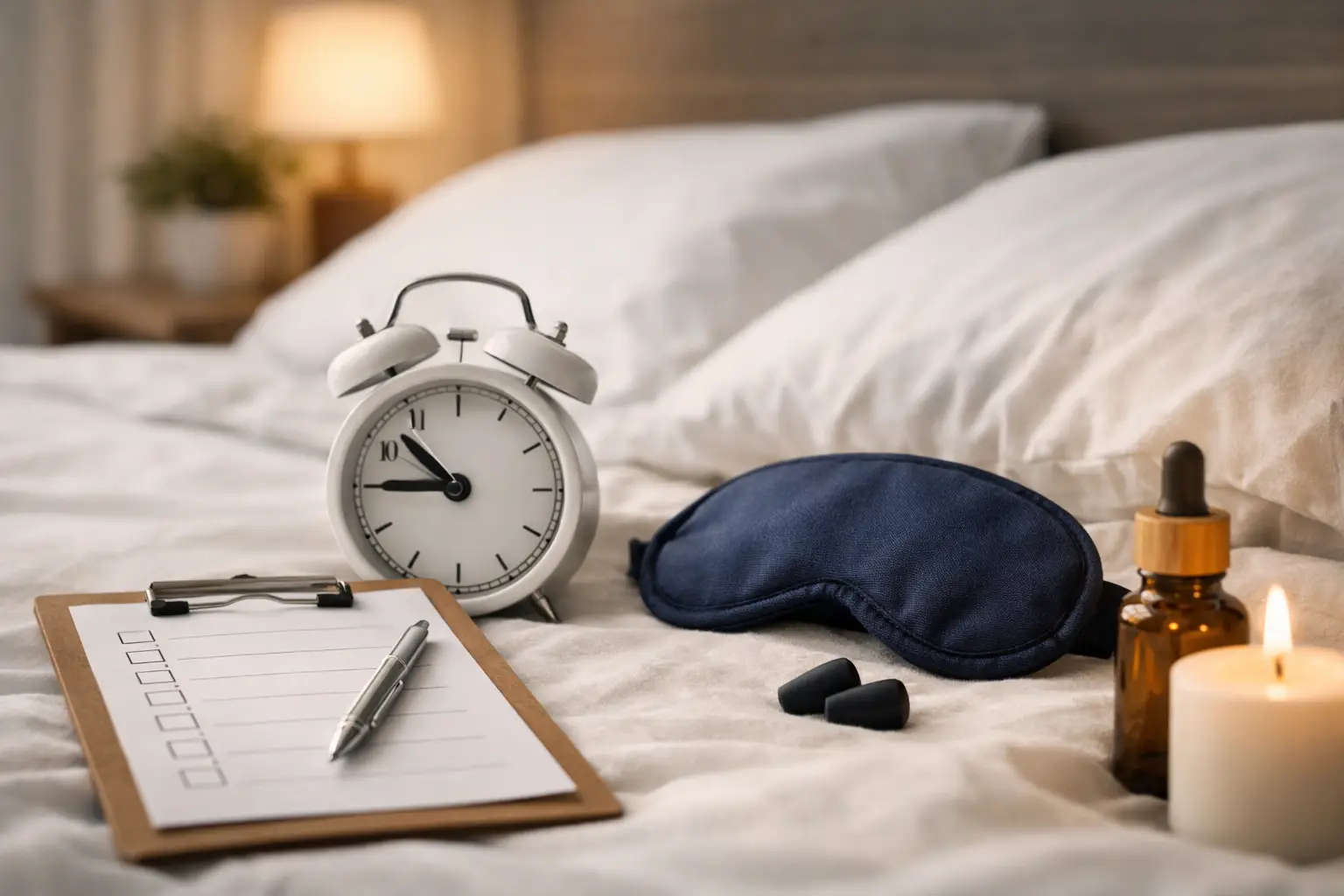
Sleep Hygiene Checklist for Adults
If you are tired most mornings but still struggle to switch off at night, a sleep hygiene checklist adults can actually follow is often more useful than another grand sleep reset. Most people do not need a complicated routine. They need a few steady habits that make sleep easier instead of accidentally making it harder.
Sleep hygiene simply means the daily behaviours and bedroom conditions that affect how well you sleep. It is not a magic fix, and it will not solve every cause of poor sleep. Stress, pain, shift work, hormones, anxiety, medication, and underlying health issues can all play a part. But for many adults, sleep hygiene is the most practical place to start because it improves the basics your body relies on every night.
What a sleep hygiene checklist for adults should actually do
A good checklist is not about perfection. It is there to reduce friction between feeling tired and actually falling asleep. That means looking at your timing, light exposure, food and drink, mental stimulation, and bedroom setup.
The reason this matters is simple. Sleep is strongly influenced by routine and cues. Your brain pays attention to light, temperature, activity, caffeine, alcohol, and even when you normally get into bed. When those signals are all over the place, sleep often becomes lighter, later, and less refreshing.
That is why the most effective approach is usually boring in the best possible way. Consistent habits beat dramatic one-off efforts.
Your sleep hygiene checklist adults can use tonight
Start with your sleep and wake times. Going to bed at wildly different hours through the week can leave you feeling as if you are permanently catching up. Aim for a reasonably consistent wake-up time, including weekends if you can manage it. You do not need military precision, but staying within roughly the same hour helps your body clock stay steadier.
Next, look at morning light. Getting outside soon after waking, even for ten to fifteen minutes, helps anchor your circadian rhythm. This is especially useful if you work indoors or from home. Natural daylight in the morning tells your body that the day has started, which makes it easier to feel sleepy later on.
Caffeine deserves honest attention. Many adults say caffeine does not affect them, then find themselves wide awake at half ten. The half-life of caffeine is longer than people realise, so a mid-afternoon coffee can still be in your system at bedtime. If your sleep is poor, trial a cut-off point around lunchtime and see what changes.
Alcohol is another common blind spot. It can make you feel drowsy, but that is not the same as sleeping well. Alcohol tends to fragment sleep later in the night and can leave you more dehydrated, more wakeful, and less restored by morning. If you drink in the evening, keep it moderate and notice whether it affects your sleep quality rather than just how quickly you nod off.
Food timing matters too. Going to bed overly full, especially after a heavy or rich meal, can make sleep uncomfortable. Going to bed genuinely hungry is not helpful either. A lighter evening meal and enough time to digest usually work better than eating right before bed.
Your evening light exposure also counts. Bright indoor lighting at night, along with mobile phones, tablets, and laptops, can keep your brain in a more alert state. You do not need to ban screens forever, but it helps to dim the house and reduce bright overhead lighting in the last hour or two before bed. Warmer, softer lighting tends to be less stimulating.
Then there is the bedroom itself. A cool, dark, quiet room supports better sleep for most adults. If your room is too warm, your body may struggle to settle into deeper sleep. Blackout curtains can help if early morning light wakes you too soon, and earplugs or white noise may be useful if noise is the main issue. The ideal setup depends on the problem you are trying to solve.
Your bed should also be associated with sleep, not three hours of scrolling, working, or worrying. If you regularly answer emails in bed or watch intense programmes until your eyes ache, your brain starts to link bed with alertness rather than rest. A simple rule helps here: keep the bed mainly for sleep and intimacy.
The habits that quietly ruin sleep
Poor sleep hygiene is often less about what you fail to do and more about what has gradually become normal. Late-night doomscrolling is a good example. It keeps your mind active, exposes you to bright light, and often creates stress just when you are supposed to be winding down.
Another problem is using the evening as your only free time. This is understandable, especially if you are busy, juggling work and family, or trying to reclaim a bit of the day for yourself. But if every night becomes a burst of stimulation, chores, snacks, television, and catch-up admin, your nervous system never really gets the message that the day is ending.
Long naps can also interfere, particularly if they happen late in the day. A short early afternoon nap may help some people, but sleeping for an hour at five in the afternoon often steals pressure from the night ahead. If you struggle to fall asleep, reduce nap length or skip them for a while and monitor the effect.
A realistic evening routine, not a perfect one
Most adults do better with a wind-down routine that feels ordinary enough to repeat. That could mean dimming the lights after dinner, putting your mobile phone on charge outside the bedroom, having a shower, reading a few pages, and going to bed at around the same time. It does not need to look impressive. It needs to work.
If your mind races at night, try offloading thoughts earlier in the evening. A short written list of tomorrow’s tasks can reduce the feeling that your brain needs to keep everything active. Some people also find that a few quiet minutes of breathing or stretching help create a clearer separation between the pace of the day and the pace of sleep.
The key is to avoid turning the routine itself into a performance. If you start worrying about whether you are doing sleep hygiene correctly, that creates a new problem. Aim for calm repetition, not perfection.
When sleep hygiene helps most, and when it is not enough
Sleep hygiene tends to work best when your sleep is being disrupted by habits, timing, environment, or low-level overstimulation. It may not be enough on its own if you have chronic insomnia, significant stress, depression, anxiety, sleep apnoea, restless legs, persistent pain, or symptoms linked to hormonal changes.
That does not mean the checklist is pointless. It means you should see it as foundation work. Good habits make it easier to spot when something deeper may be going on.
If you snore heavily, wake gasping, feel unrefreshed despite enough hours in bed, or struggle with sleep for weeks on end, it is sensible to speak to a GP. The NHS also advises keeping regular sleep patterns, creating a restful environment, and limiting stimulants before bed, which aligns with the basics of good sleep hygiene.
A simple weekly reset if your routine has slipped
If your sleep has become chaotic, do not try to fix everything at once. For one week, focus on four anchors only: get up at the same time each day, get outside in the morning light, stop caffeine after lunch, and create a thirty-minute wind-down before bed. Those four changes often reveal whether your routine is helping or hurting.
Once those are in place, adjust the bedroom. Make it darker, cooler, and less cluttered. Then tackle the habit that causes the most damage, whether that is evening alcohol, late meals, too much screen time, or irregular bedtimes.
This step-by-step approach is more realistic than trying to become a perfect sleeper overnight. It also makes it easier to notice what genuinely improves your energy.
Sleep hygiene checklist adults should keep in perspective
The point of a checklist is not to give you more rules to fail at. It is to remove a few of the common obstacles that stop your body doing what it already knows how to do. Better sleep usually comes from reducing interference, not adding twenty new tasks.
If you want a practical benchmark, ask yourself three things. Are my wake time and bedtime reasonably consistent? Does my evening routine help me wind down rather than fire me up? Does my bedroom make sleep easier or harder? Honest answers to those questions will usually tell you where to start.
No hype. Just simple habits that work, repeated often enough to matter. Better nights are often built that way, and so are better mornings.
Further Reading
If you enjoyed this article you might like to read these articles.
- How to avoid post lunch sleepiness
- The Real Guide to Daily Energy
- How to Improve Sleep Quality Naturally
The role of wellness products

Some people explore supplements or wellness products to support their daily routines. While these can sometimes be helpful, they should be viewed as support rather than a replacement for healthy habits.
If you are interested in exploring wellness products that may support energy routines, you can browse the options available at the Wellthy Freedom Hub store.
Always read ingredient labels carefully and speak with a healthcare professional if you have medical conditions or take medication.
Disclosure: This site may link to products on wellthyfreedomhub.com. If you choose to buy, the store benefits. The guidance here is informational and not medical advice.

Richard Chambers is the founder of rrjchambers.com. He writes about practical ways to improve everyday health, energy, and wellbeing through simple routines, lifestyle habits, and carefully chosen wellness products. His focus is on clear, honest guidance that helps people make small changes that support better health over time.
Health Information Notice
The information in this article is intended for general educational purposes only and should not be considered medical advice. If you have concerns about your health, sleep, or energy levels, it is always best to consult a qualified healthcare professional.