
Healthy Snacks for Fatigue That Steady Energy
The 3pm slump is often less about a lack of willpower than a predictable gap between meals, a rushed lunch, poor sleep, or too little water. Healthy snacks for fatigue will not fix every cause of tiredness, but the right one can stop hunger and a sharp blood-sugar rise from making an ordinary dip in energy feel much worse.
The aim is not to eat constantly or chase a perfect diet. It is to choose a small, satisfying snack that gives your body something useful to work with: fibre-rich carbohydrate for steady fuel, plus protein or healthy fat to make that fuel last.
What makes a snack helpful when you feel tired?
A biscuit, fizzy drink or large coffee can seem like the obvious answer when your concentration drops. They may give a short-lived lift, especially if you have skipped a meal, but they can also leave you hungrier, shakier or more tired later on. The same applies to many cereal bars marketed as healthy, which can be little more than concentrated sugar with a few oats added.
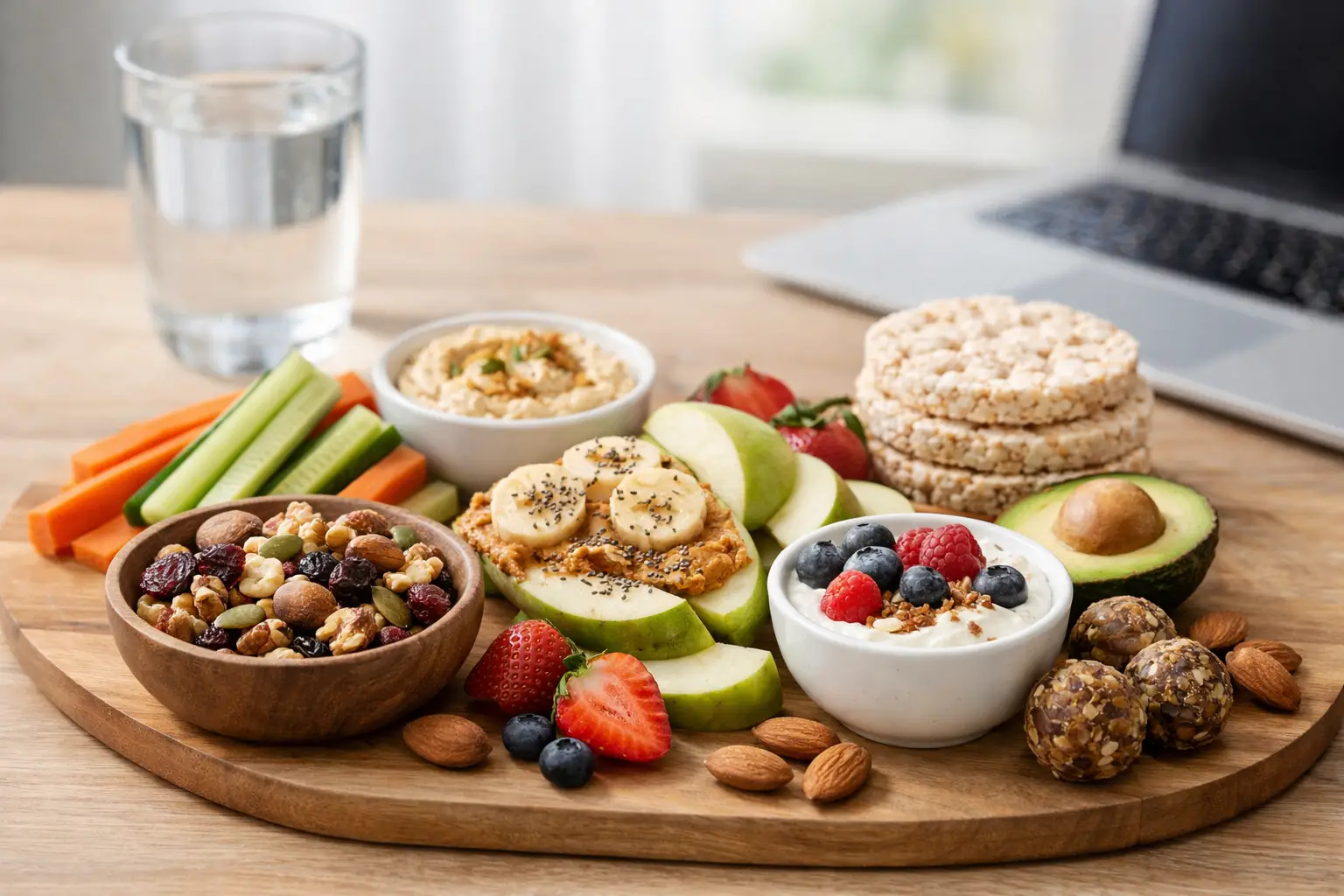
A more dependable snack usually combines two things. Carbohydrate provides readily available energy, while protein, fibre or fat slows digestion and improves fullness. Think apple with peanut butter rather than an apple alone; oatcakes with cheese rather than oatcakes by themselves.
Portion matters too. A snack should bridge the gap to your next meal, not replace it or leave you too full for dinner. For most people, that means something modest but substantial enough to prevent grazing an hour later.
Healthy snacks for fatigue to keep at hand
The best choice depends on what is available, how long it is until your next meal, and whether you are genuinely hungry. There is no need to buy expensive powders or specialist “energy” products. Ordinary food works well.
- A banana with a small handful of nuts gives quick carbohydrate alongside fibre, protein and unsaturated fats. It is particularly useful before a walk, school run or commute home.
- Plain Greek yoghurt with berries and oats provides protein and calcium, while the fruit and oats add fibre. Choose unsweetened yoghurt where possible and add fruit for flavour.
- Wholegrain toast with peanut butter is a good option when you need something more filling. Peanut butter is calorie-dense, so a thin, satisfying layer is enough.
- Oatcakes with cheese and tomato offer a practical balance of carbohydrate and protein. They travel well and are easier to keep in a desk drawer than many fresh snacks.
- Hummus with carrots, pepper or wholegrain pitta gives fibre, plant protein and a bit of crunch. Pre-cut vegetables can make this realistic on busy days.
- A boiled egg with fruit is simple, affordable and more sustaining than a packet of crisps. Prepare a few eggs at the start of the week if weekday mornings are rushed.
If you are prone to an afternoon crash, try one of these at around 2pm to 3pm, before you become ravenous. Waiting until you are exhausted and overly hungry makes the vending machine or a large bag of sweets much harder to resist.
Do not overlook hydration
Tiredness, headache and poor concentration can all feel worse when you have not had enough to drink. Tea and coffee contribute to fluid intake, but several strong coffees are not a substitute for regular water, particularly if they disturb your sleep or make you feel anxious.
Keep water visible at your desk or in the kitchen. Have a drink alongside your snack, then notice whether your energy improves over the next 20 minutes. This is a useful, low-effort habit, not a cure-all.
Match the snack to the reason you are flagging
Not all fatigue is hunger. If lunch was a sandwich eaten at your desk at noon and dinner is not until 7pm, a balanced snack is likely to help. If you slept badly, feel run-down, or have been staring at a screen for four hours without moving, food may only be part of the answer.
For a mentally heavy afternoon, pair your snack with a five- or ten-minute break away from the screen. Stand by a window, walk outside if you can, or do a short lap around the building. Daylight and gentle movement can make you feel more alert without adding another coffee.
If you are about to exercise, a lighter carbohydrate-focused option, such as a banana or a piece of toast, may suit you better than a rich snack. If dinner is still several hours away, choose something with more protein and fibre, such as yoghurt with oats or hummus and pitta.
This is why “the best energy snack” is not one fixed food. It depends on timing, appetite, activity and what the rest of your day looks like.
Build a routine that reduces the crash
Snacking works best when it supports regular meals rather than compensates for chaos. Many people feel drained in the afternoon because breakfast was only coffee, lunch was too small, or lunch contained mostly refined carbohydrate with little protein or vegetables.
Start by looking at the meal before the slump. Could breakfast include eggs, yoghurt, porridge or wholegrain toast rather than nothing? Could lunch include a clear protein source, such as beans, fish, chicken, tofu, eggs or lentils, plus vegetables and a higher-fibre carbohydrate? These changes tend to have a bigger effect than searching for a single magical snack.
It also helps to make the easier choice the visible choice. Put fruit on the counter, keep oatcakes and nuts at work, and add yoghurt or hummus to your regular food shop. When you are tired, convenience usually wins. Planning for that reality is sensible, not a lack of discipline.
Be careful with caffeine late in the day
A coffee can be enjoyable and useful, but using it to push through severe tiredness at 4pm or 5pm can interfere with the sleep you need that night. The result is a familiar cycle: poor sleep, more caffeine, then another poor night.
If you regularly need caffeine late in the afternoon, try food, water and a short walk first. If you do have coffee, keep it earlier in the day and pay attention to your own response. Some people are more sensitive than others.
When fatigue is not a snack problem
Persistent tiredness deserves more attention than a change of snack. Poor sleep, stress, low mood, illness, medication, iron deficiency, thyroid problems and other health issues can all contribute. A nutritious snack can support steadier energy, but it cannot diagnose or treat an underlying cause.
Speak to a GP if fatigue lasts for several weeks, affects daily life, or comes with symptoms such as unexplained weight change, breathlessness, chest pain, palpitations, persistent fever, heavy periods, low mood, or loud snoring and breathing pauses during sleep. It is especially worth getting checked if tiredness is new, worsening or out of proportion to your routine.
For everyday dips in energy, keep the approach simple: eat regular meals, choose snacks with substance, drink enough water, and move a little before reaching for another sugary pick-me-up. Small habits are rarely dramatic, but repeated most days, they are often what makes the afternoon feel manageable again.
Further Reading
If you enjoyed this article you might like to read these articles.
- 9 Best Drinks for Steady Energy
- The Real Guide to Daily Energy
- Morning Sunlight Benefits for Energy and Sleep
The role of wellness products
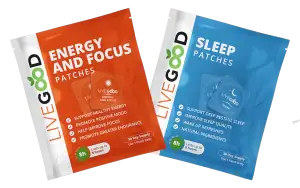
Some people explore supplements or wellness products to support their daily routines. While these can sometimes be helpful, they should be viewed as support rather than a replacement for healthy habits.
If you are interested in exploring wellness products that may support energy routines, you can browse the options available at the Wellthy Freedom Hub store.
Always read ingredient labels carefully and speak with a healthcare professional if you have medical conditions or take medication.
Disclosure: This site may link to products on wellthyfreedomhub.com. If you choose to buy, the store benefits. The guidance here is informational and not medical advice.

Richard Chambers is the founder of rrjchambers.com. He writes about practical ways to improve everyday health, energy, and wellbeing through simple routines, lifestyle habits, and carefully chosen wellness products. His focus is on clear, honest guidance that helps people make small changes that support better health over time.
Health Information Notice
The information in this article is intended for general educational purposes only and should not be considered medical advice. If you have concerns about your health, sleep, or energy levels, it is always best to consult a qualified healthcare professional.