
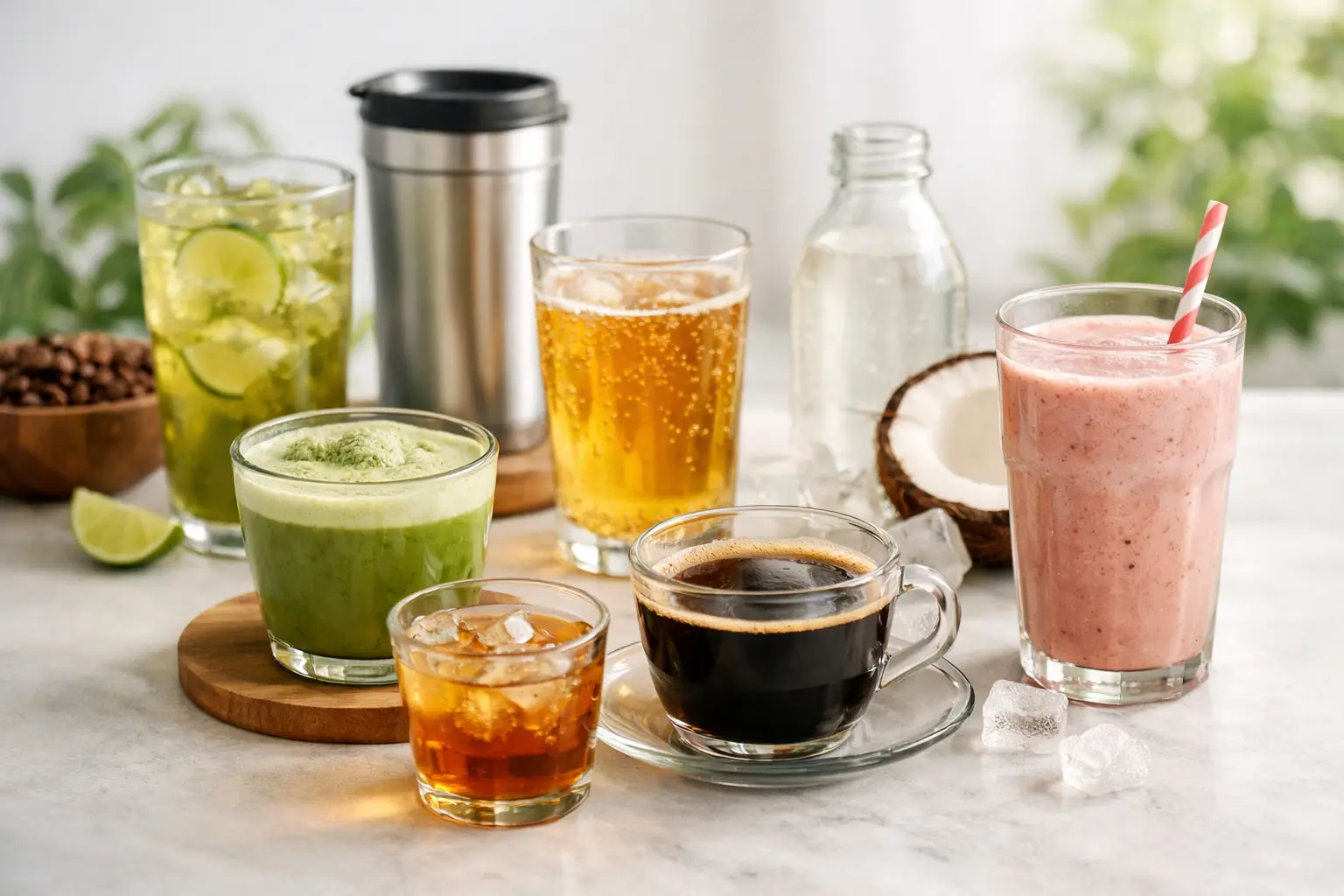
9 Best Drinks for Steady Energy
This article contains affiliate links. If you buy through them I may earn a small commission at no extra cost to you.
That mid-morning slump often starts with what is in your mug, not just how much sleep you got. If you are looking for the best drinks for steady energy, the aim is not to find a magic fix. It is to choose drinks that support hydration, stable blood sugar and alertness without setting you up for a sharper crash later.
Most people notice energy dips for simple reasons: too little fluid, too much caffeine on an empty stomach, sugary drinks that rise fast and fall fast, or long gaps between meals. The right drink will not solve every cause of fatigue, but it can make your day feel much more manageable. That is especially true if you want something realistic that fits around work, school runs or a long afternoon at your desk.
What makes a drink good for steady energy?
A drink that supports steady energy usually does one or more of three things. It helps you stay hydrated, gives a moderate amount of caffeine rather than a huge hit, or provides some nutrition without flooding your system with sugar.
Hydration matters more than many people realise. Even mild dehydration can leave you feeling sluggish, headachy and less focused. Caffeine can help alertness, but dose and timing matter. Too much, especially early on an empty stomach, can feel productive for an hour and then leave you jittery or flat. Drinks high in added sugar can create the same pattern. They are quick, but not reliable.
So the best choice depends on what is actually behind your dip in energy. If you are dehydrated, plain fluids may help more than another strong coffee. If you are under-fuelled, a drink with some protein or carbohydrates may work better. If you are already overstimulated and sleeping badly, cutting back caffeine can improve energy across the week rather than just the next 30 minutes.
Best drinks for steady energy through the day
1. Water
It is not exciting, but it works. If your energy feels low by late morning or mid-afternoon, water is the first thing to check because dehydration is common and easy to miss.
This matters even more if you drink a lot of tea or coffee, work in a warm office, talk a lot during the day, or tend to forget fluids until you feel thirsty. A glass of water will not give you a buzz, but it can improve how alert and clear-headed you feel if low fluid intake is part of the problem.
If plain water feels dull, chilled water with lemon, cucumber or mint can make it easier to drink more consistently.
2. Tea
For many people, tea is one of the best drinks for steady energy because it gives a gentler lift than coffee. Black tea contains caffeine, but typically less than a standard coffee, which may help you feel more alert without the same intensity.
Green tea is another solid option if you want a lighter caffeine dose. Some people find it gives a calmer sense of focus, particularly in the late morning or early afternoon. The exact effect varies, but the main advantage is moderation. You are less likely to overshoot and end up wired.
Just be careful with how much sugar you add. A couple of sugary mugs across the day can turn a useful habit into one that contributes to energy swings.
A consistently well-regarded option for everyday drinking is Yorkshire Tea, which needs no introduction for most people in the UK. For green tea, Clipper Organic Green Tea is a clean, unfussy option with no added flavourings. Both are available in bulk on Amazon UK which works out considerably cheaper per cup than buying in small boxes from a supermarket.
3. Coffee, used properly
Coffee is not the villain. For plenty of adults, it is effective and completely reasonable. The problem is usually how it is used: too much, too early, too often, and sometimes instead of breakfast.
If coffee helps you, keep it simple. One cup in the morning, or one in the morning and one early afternoon, is often enough. Try not to rely on repeated strong coffees to push through poor sleep, because that pattern can make the next night worse and keep the cycle going.
If coffee tends to make you anxious, shaky or drained later, the answer may not be to stop completely. It may be to reduce the size, have it after food, or switch one cup to tea.
4. Milk or fortified plant drinks
A glass of milk can be surprisingly useful when low energy is linked to under-eating. It provides fluid, some protein and naturally occurring sugars, which can make it more sustaining than a caffeinated drink alone.
Fortified soya drinks can offer a similar benefit, and some other fortified plant drinks may help too, though protein content varies a lot. This is one of those situations where labels matter. If you want a drink that helps keep you going, a very low-protein oat or almond drink may be less filling than you expect.
This kind of option works well as part of breakfast or as a small afternoon top-up if lunch was light.
5. Unsweetened smoothies
A smoothie can support steady energy if it is balanced. The problem is that many shop-bought versions are heavy on fruit juice and light on fibre or protein, which makes them feel healthy while still delivering a lot of sugar quickly.
A better version includes whole fruit, a protein source such as yoghurt or milk, and perhaps oats or seeds for more staying power. That turns it from a sweet drink into something closer to a light meal.
It depends on your day, though. If you are mostly sitting at a desk and already eating enough, a large smoothie can be more than you need. If you skipped breakfast and have back-to-back meetings, it may be genuinely helpful.
6. Kefir or drinking yoghurt
These are not essential, but they can be practical if you need something easy that offers fluid and protein. A plain or lower-sugar option is usually the better choice if your goal is steady energy rather than a sweet pick-me-up.
This can suit busy mornings when you do not have much appetite but know that tea alone will not carry you far. If dairy does not suit you, it is better to choose something else than force it.
7. Electrolyte drinks, occasionally
These are useful in specific situations, not as an everyday answer to tiredness. If you have been exercising, sweating heavily, are recovering from illness, or working in hot conditions, an electrolyte drink may help you rehydrate more effectively than water alone.
But most people do not need sports drinks for office fatigue. Many are high in sugar, and that can work against the steady energy you want. If you use them, use them for a reason.
If you do need an electrolyte drink after exercise or illness, Nuun Sport Electrolyte Tablets are a cleaner option than most sports drinks. They dissolve in water, contain a sensible amount of sodium and potassium, and have far less sugar than bottled sports drinks. A tube lasts a long time and is a practical thing to have in the cupboard rather than buying sugary drinks speculatively.
8. Herbal teas
Peppermint, ginger and rooibos will not give you the stimulant effect of caffeine, but they can still be useful. If you already feel overstimulated, poorly slept or sensitive to caffeine, switching to herbal tea later in the day may help you avoid the evening sleep disruption that keeps energy low across the week.
This is less about an immediate boost and more about protecting tomorrow’s energy. That counts.
Pukka Three Ginger Tea is worth keeping in the cupboard for afternoons when you want something warming without caffeine. For peppermint, Twinings Pure Peppermint Tea is widely available and reliably good. Neither of these will give you a stimulant effect, but they make the habit of cutting caffeine in the afternoon much easier to stick to.
9. A simple homemade drink with food
Sometimes the best answer is not a special drink at all, but pairing one with something small to eat. Water or tea alongside toast with peanut butter, yoghurt with berries, or a banana and a handful of nuts will often do more for steady energy than a fancy beverage by itself.
That is worth remembering if you keep searching for a better drink while regularly skipping meals.
Drinks that often make energy worse
Energy drinks are the obvious example. They can feel effective in the short term, but the combination of high caffeine and sugar is exactly what causes trouble for many people. Some fizzy drinks, sweetened iced coffees and oversized café drinks create a similar pattern.
Fruit juice is another one to watch. A small glass is fine for many people, but drinking large amounts on its own can push blood sugar up quickly without keeping you full. If you enjoy it, having it with breakfast rather than as a stand-alone energy fix is usually the better move.
Alcohol deserves a mention too. People do not usually think of it as an energy drink, but evening alcohol can affect sleep quality and leave you dragging the next day, even if you were in bed for long enough.
How to choose the right drink for your energy dip
If your slump happens first thing, look at whether you are drinking caffeine before food and whether you are starting the day dehydrated. If it hits around 3 pm, check whether lunch was too light, too sugary, or rushed.
A good rule is to match the drink to the problem. Low fluids call for water. Mild sleepiness may respond well to tea or a sensible coffee. Hunger or a missed meal often needs something with protein or carbohydrates, not just another hot drink.
It also helps to set a caffeine cut-off. For many people, that means avoiding caffeine from mid-afternoon onwards. You may feel a bit less propped up at 5 pm, but if your sleep improves, your daytime energy usually follows.
A practical routine that works for most people
Start the day with water, then have tea or coffee with or after breakfast rather than on an empty stomach. Through the morning, keep water nearby instead of waiting until you feel dry or tired. If you want another caffeinated drink, have it earlier rather than later.
In the afternoon, choose based on what your body actually needs. Water if you have barely drunk anything. Tea if you need a gentle lift. Milk, a balanced smoothie or drinking yoghurt if the slump is really hunger in disguise.
No hype. Just simple habits that work. The best drink is usually the one that helps you feel steady now without borrowing energy from later.
A few things worth having in the kitchen
A good water bottle
The single most practical thing you can do for your daily hydration is keep a one litre water bottle on your desk, kitchen counter or wherever you spend most of your day. Not as a health statement but as a visual reminder. Most people drink far more when water is sitting in front of them than when they have to get up to make a drink. A BPA-free bottle that keeps water cool is worth the small outlay.
A blender for smoothies
If you want to make the balanced smoothies described above rather than buying the sugar-heavy shop versions, a basic blender makes the difference between doing it occasionally and doing it regularly. The Nutribullet 600 is the most consistently recommended entry-level option on Amazon UK. Compact, quick to clean, and powerful enough for most ingredients. The cup design means less washing up than a full-size blender, which matters when you are making something at 7am.
A kettle with temperature control
This is only worth mentioning if you drink a lot of green tea. Boiling water scalds green tea leaves and makes the drink taste bitter, which puts people off. A variable temperature kettle set to around 70 to 80 degrees makes a noticeably better cup. Not essential, but useful if green tea is going to be a regular part of your routine and you want it to taste right.
None of these are essential purchases. The habits described in this article cost almost nothing to start. But if you find yourself repeatedly skipping water because you forget, or buying expensive smoothies instead of making them, the right kitchen equipment can make the simple things easier to actually do.
Further Reading
If you enjoyed this article you might like to read these articles.
- How to avoid post lunch sleepiness
- The Real Guide to Daily Energy
- How to Improve Sleep Quality Naturally
The role of wellness products
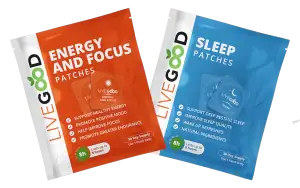
Some people explore supplements or wellness products to support their daily routines. While these can sometimes be helpful, they should be viewed as support rather than a replacement for healthy habits.
If you are interested in exploring wellness products that may support energy routines, you can browse the options available at the Wellthy Freedom Hub store.
Always read ingredient labels carefully and speak with a healthcare professional if you have medical conditions or take medication.
Disclosure: This site may link to products on wellthyfreedomhub.com. If you choose to buy, the store benefits. The guidance here is informational and not medical advice.

Richard Chambers is the founder of rrjchambers.com. He writes about practical ways to improve everyday health, energy, and wellbeing through simple routines, lifestyle habits, and carefully chosen wellness products. His focus is on clear, honest guidance that helps people make small changes that support better health over time.
Health Information Notice
The information in this article is intended for general educational purposes only and should not be considered medical advice. If you have concerns about your health, sleep, or energy levels, it is always best to consult a qualified healthcare professional.