
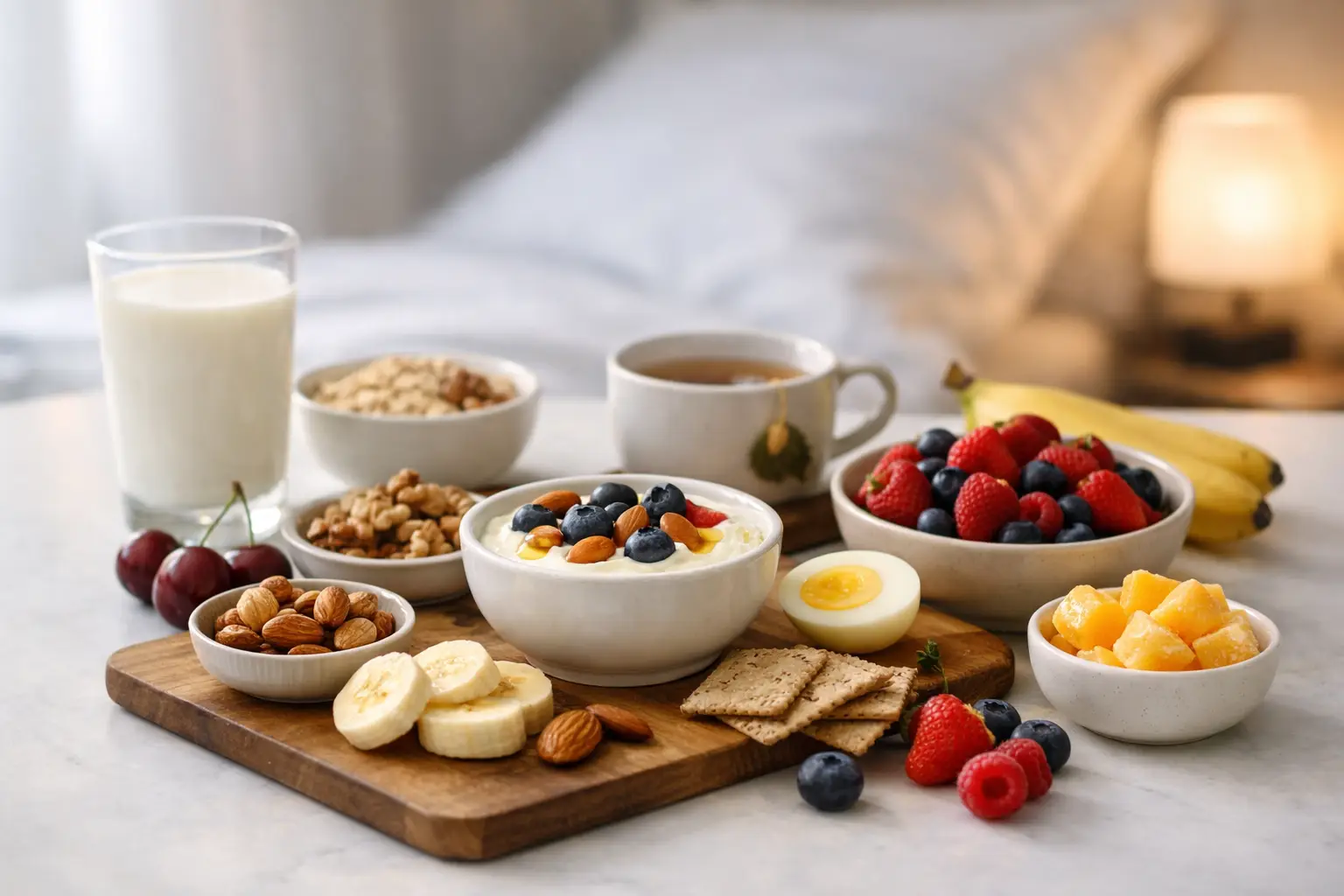
9 Best Bedtime Snacks for Sleep
This article contains affiliate links. If you buy through them I may earn a small commission at no extra cost to you.
If you regularly feel hungry at 9 or 10pm, going to bed on an empty stomach is not always the smart option. The best bedtime snacks for sleep are usually small, easy to digest, and built around foods that help you feel settled rather than overly full. Get this right and you may fall asleep more comfortably, avoid waking up hungry, and give yourself a better chance of steady rest.
What makes a bedtime snack sleep-friendly?
A good bedtime snack does two things. First, it takes the edge off hunger so your body is not asking for food when you are trying to switch off. Second, it avoids creating a new problem, such as indigestion, a blood sugar spike, or the heavy, uncomfortable feeling that can come from eating too much too late.
In practice, that usually means a small snack containing a balance of carbohydrate and either protein or fat. Carbohydrate can help support the movement of tryptophan into the brain, which is involved in producing serotonin and melatonin. Protein and fat can help make the snack more satisfying so you are less likely to wake hungry a few hours later. The catch is portion size. A light snack can help. A second dinner often does not.
It also depends on the reason you are awake and hungry. If you had an early evening meal, did a late workout, or tend to wake in the night feeling peckish, a planned snack may help. If you are eating late because stress has turned into grazing in front of the telly, the food itself may be less important than the habit around it.
9 best bedtime snacks for sleep
1. Banana with a spoonful of peanut butter
This is simple, cheap, and easy to tolerate for most people. The banana provides carbohydrate, while the peanut butter adds a little fat and protein. That combination can feel more steady than eating fruit on its own.
Keep the portion modest. One banana and a teaspoon or two of peanut butter is usually enough. Much more than that can sit heavily, especially if you are prone to reflux.
2. Greek yoghurt with oats or a few berries
Greek yoghurt gives you protein in a small volume, which can be useful if you are hungry but do not want a large snack. Adding a spoonful of oats or a few berries makes it a bit more balanced and satisfying.
Choose a plain or lower-sugar yoghurt where possible. Highly sweetened desserts sold as yoghurt can work against you if they leave you feeling wired rather than sleepy.
3. Porridge made with milk
A small bowl of porridge is one of the more reliable bedtime options, particularly in colder weather. Oats are easy, familiar, and gentle for many people, and milk adds protein.
The key here is to keep it plain and light. You do not need a bowl big enough for breakfast, and you do not need to load it with syrup. A small serving is often enough to take the edge off and help you feel settled.
4. Wholemeal toast with almond or peanut butter
Toast can work well when hunger is the thing keeping you awake. The carbohydrate is comforting, and a thin spread of nut butter slows things down a little so it is not just a quick hit followed by a drop.
If you know bread leaves you bloated late at night, skip this one. Bedtime snacks are individual. What matters is how you sleep afterwards, not whether a food appears on a perfect wellness list.
5. A small bowl of high-fibre cereal with milk
For people who want something quick and ordinary, this is one of the most practical options. It takes no effort, uses foods you probably already have in the kitchen, and gives you carbohydrate plus some protein from the milk.
Aim for a cereal that is not packed with sugar. The best bedtime snacks for sleep tend to be boring in the best way – steady, predictable, and unlikely to upset your stomach.
6. Oatcakes with soft cheese or hummus
If you prefer savoury food at night, oatcakes are a useful option. Pairing them with soft cheese or hummus gives a mix of carbohydrate, fat, and a little protein, which can be enough to stop the low-level hunger that delays sleep.
Again, keep it small. Two or three oatcakes is very different from polishing off half a packet while standing in the kitchen.
7. Kiwi fruit
Kiwi is worth mentioning because some small studies have linked it with improved sleep quality and sleep onset when eaten in the evening. The evidence is not strong enough to call it a cure, but it is a reasonable food to try if you tolerate it well.
On its own it may not satisfy a very hungry person, so think of it as a light option rather than a full snack. If needed, pair it with a little yoghurt.
8. Cottage cheese with a few crackers
Cottage cheese is high in protein and can be a good choice if you find sweet foods less appealing at night. A few plain crackers add enough carbohydrate to make it more balanced.
This can be especially useful after evening exercise, when you are genuinely hungry but do not want a heavy meal close to bedtime.
9. Warm milk or milky tea without caffeine
Sometimes the routine matters as much as the food. A small mug of warm milk, or a naturally caffeine-free tea made milky, can be enough if your hunger is mild and what you really need is a cue to slow down.
This is not magic, and it will not fix poor sleep habits on its own. But as part of a calmer evening routine, it can work well.
Bedtime snacks to be careful with
Not every healthy food is a good late-night food. Spicy meals, greasy takeaways, large portions of cheese, chocolate, crisps, and anything very sugary can all be unhelpful before bed, especially if you are prone to reflux, bloating, or overnight waking.
Caffeine is another obvious problem, but it is often missed in the evening. Tea, coffee, cola, energy drinks, and even some chocolate-based snacks can interfere with sleep more than people realise. Alcohol can make you feel sleepy at first, but it tends to reduce sleep quality later in the night.
There is also a difference between a planned snack and mindless eating. If you regularly eat biscuits, cereal, toast, and whatever else is in reach while scrolling on your mobile phone, that is unlikely to help sleep. It keeps you stimulated and often leads to eating far more than your body actually needs.
When to eat your bedtime snack
A good rule is to eat 30 to 90 minutes before bed. That gives your body enough time to settle without leaving you lying there hungry. If you eat the snack the moment you switch the light off, digestion may become the issue. If you eat it too early, hunger may come back.
You do not need to force a bedtime snack if you are not hungry. For some people, eating close to bed makes sleep worse rather than better. This is especially common in people with indigestion, reflux, or a tendency to feel too warm and uncomfortable overnight.
How to tell if your snack is helping
Keep it simple. For a week, notice three things: how hungry you feel at bedtime, how quickly you fall asleep, and whether you wake in the night feeling hungry or uncomfortable. That is more useful than trying to find the one perfect sleep food online.
If a small snack helps you feel calm and settled, keep it in the routine. If it leaves you bloated, restless, or too full, change the food, reduce the portion, or skip it altogether. Sleep advice works best when it fits real life.
Best bedtime snacks for sleep if you are often tired
If you are constantly exhausted, a bedtime snack can help at the margins, but it is rarely the whole answer. Poor sleep is often tied to bigger factors such as inconsistent bedtimes, heavy evening meals, too much screen time, caffeine too late in the day, an overheated bedroom, or not eating properly earlier on.
That matters because late-night hunger sometimes starts much earlier. If breakfast is tiny, lunch is rushed, and dinner is early, your evening appetite is not a mystery. Sorting daytime meals can do more for sleep than trying to engineer the perfect 10pm snack.
For readers who want the practical version, start with one of these: a banana with peanut butter, a small bowl of porridge, or Greek yoghurt with oats. They are easy to test, easy to portion, and far less likely to derail your evening than sugary treats or a heavy supper.
A bedtime snack should make the night feel easier, not more complicated. If it is small, sensible, and timed well, it can be one of those quiet habits that helps more than you expect.
Recommended products to support your bedtime routine
Herbal tea — best overall
Pukka Night Time Tea is one of the most widely used bedtime teas in the UK, blending oat flower, chamomile, lavender, and valerian. It is caffeine-free and available in most supermarkets as well as Amazon UK. A cup 30–45 minutes before bed fits naturally alongside any of the snacks in this article and helps reinforce the winding-down signal your body needs.
Herbal tea — alternative
Clipper Organic Sleep Easy Tea is a slightly milder option if you find Pukka’s valerian flavour too strong. It uses chamomile, lemon balm, and cinnamon — a warmer, more familiar taste that works well as a gentle evening ritual without any strong herbal aftertaste.
Magnesium supplement
Many people over 50 are low in magnesium without realising it, and low magnesium is directly linked to poor sleep quality and night-time muscle cramps. Magnesium Glycinate capsules are the most absorbable form — gentler on the stomach than magnesium oxide and less likely to cause digestive issues. Taking one with your bedtime snack is a simple addition that many people notice within a week or two. Always check with your GP first if you take medication.
Tart cherry juice
Montmorency Tart Cherry Juice Concentrate is one of the few food-based sleep aids with reasonable research behind it. Tart cherries are a natural source of melatonin and have been shown in small studies to improve sleep duration in older adults. A tablespoon diluted in water before bed is the typical approach — it is tart rather than sweet, which some people find takes a little getting used to. The concentrate version is more economical than ready-to-drink bottles.
Nut butter — for the banana and almond butter snack
A good almond butter is worth having in the cupboard if you want a quick and genuinely useful bedtime snack. Look for one with no added sugar or palm oil — the ingredients list should say almonds and nothing else. A tablespoon on an oatcake or with half a banana provides the magnesium and tryptophan combination that supports the sleep hormone melatonin.
Oatcakes — better than toast
Nairn’s Oatcakes are a practical bedtime snack base — lower glycaemic index than bread or crackers made from refined flour, which means they release energy more slowly and are less likely to cause the blood sugar spike-and-crash that can wake you up at 3am. A couple with almond butter or a small piece of cheese is a simple, filling option that does not feel like a compromise.
None of these products are a magic fix for poor sleep, and they work best as part of a consistent evening routine rather than as a last-minute solution. The combination of a small magnesium-rich snack, a warm herbal drink, and a regular bedtime tends to produce better results than any single product on its own.
Further Reading
If you enjoyed this article you might like to read these articles.
- 10 Best Foods for Sustained Focus
- The Real Guide to Daily Energy
- How to Improve Sleep Quality Naturally
The role of wellness products
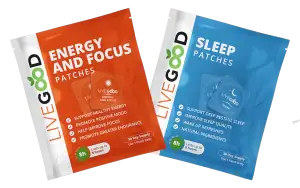
Some people explore supplements or wellness products to support their daily routines. While these can sometimes be helpful, they should be viewed as support rather than a replacement for healthy habits.
If you are interested in exploring wellness products that may support energy routines, you can browse the options available at the Wellthy Freedom Hub store.
Always read ingredient labels carefully and speak with a healthcare professional if you have medical conditions or take medication.
Disclosure: This site may link to products on wellthyfreedomhub.com. If you choose to buy, the store benefits. The guidance here is informational and not medical advice.

Richard Chambers is the founder of rrjchambers.com. He writes about practical ways to improve everyday health, energy, and wellbeing through simple routines, lifestyle habits, and carefully chosen wellness products. His focus is on clear, honest guidance that helps people make small changes that support better health over time.
Health Information Notice
The information in this article is intended for general educational purposes only and should not be considered medical advice. If you have concerns about your health, sleep, or energy levels, it is always best to consult a qualified healthcare professional.