
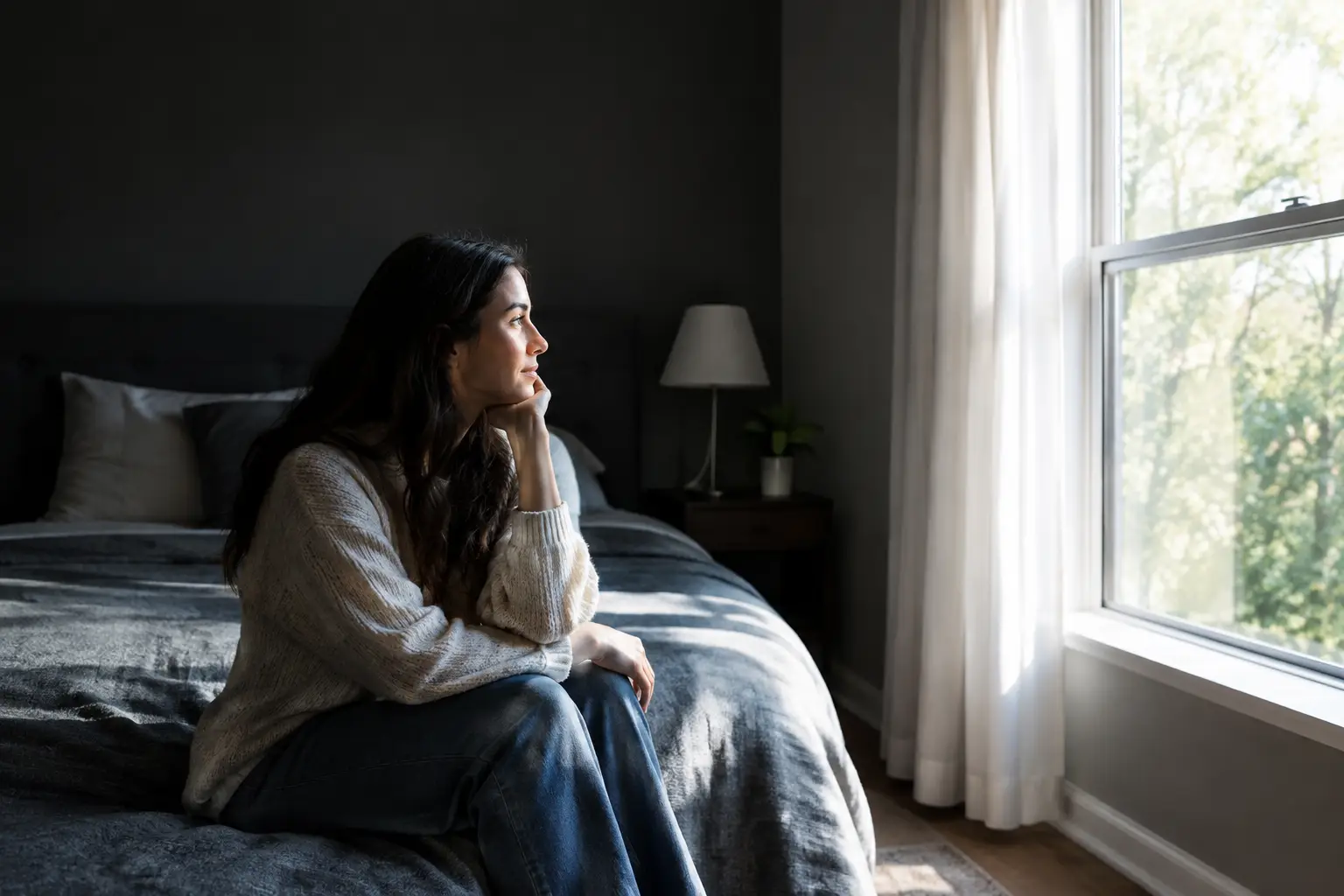
Why Is My Room So Dark? Simple Ways to Fix It
At 3pm, a room that still feels like early evening can make the working day drag. If you are asking, why is my room so dark, the answer is usually not one dramatic problem. It is often a combination of limited daylight, light-blocking furnishings, dark surfaces and artificial lighting that is either too weak or in the wrong place.
That matters beyond how the room looks. Light helps set your body clock, supports alertness during the day and makes ordinary tasks easier on the eyes. You do not need a costly renovation or a house full of bright white bulbs. A few sensible changes can make a noticeably darker room feel more usable, calmer and more energising.
Why Is My Room So Dark During the Day?
Start by looking at the route daylight takes from outside to where you spend time. A large window does not guarantee a bright room. The direction it faces, what sits outside it and how the room is arranged all affect the result.
The window may not get much direct daylight
North-facing rooms in the UK tend to receive cooler, more even light but little direct sun. They can feel dim, particularly in winter or on overcast days. East-facing rooms are brighter in the morning, while west-facing rooms tend to improve later in the day. A south-facing room often gets the strongest daylight, although nearby buildings, mature trees, fences or a covered porch can still block it.
This is not necessarily something to fix. Direct sun can create glare and make a room uncomfortably warm. The practical aim is to make the best use of the daylight available, rather than trying to turn every room into a conservatory.
Curtains, blinds and furniture can block more light than expected
Heavy curtains that cover part of the glass when open reduce the daylight entering the room. So do deep blinds, cluttered windowsills and large furniture placed directly in front of a window. Even a drying rack or several large houseplants can make a difference in a smaller space.
Open curtains fully during the day and make sure the fabric clears the window rather than sitting across its edge. If privacy is an issue, a light-filtering blind may work better than keeping thick curtains partly closed all day. Clean the inside and outside of the glass too. It is a small job, but grime, condensation marks and city dust reduce the clarity of incoming light.
Dark finishes absorb the available light
Deep blue, charcoal, forest green and dark brown can look excellent in the right room, but they absorb light rather than reflecting it. This is most noticeable when the room has a small window or receives little direct daylight. A dark ceiling can have an especially strong effect because it lowers the sense of space above you.
You do not have to repaint everything magnolia. A lighter ceiling, pale rug, lighter bedding or a reflective lampshade can shift the balance without losing the character of the room. Matt paint is generally easier on the eye than highly glossy surfaces, which can produce unwanted glare when a lamp is switched on.
The room layout may leave the useful area in shadow
A room can have a bright patch by the window and still feel dark where you sit, work or read. Tall bookcases, wardrobes and sofas can cast shade across the centre of the room. A desk facing a wall, away from the window, may also feel gloomier than it needs to.
Where possible, place a desk or favourite chair near the window, with daylight coming from the side rather than directly behind a screen. This reduces glare while allowing you to benefit from the brighter part of the room. If rearranging furniture is not realistic, that is where well-placed lamps matter.
The Artificial Lighting Problem
Many dark rooms have a single ceiling fitting doing all the work. One central bulb creates general light, but it rarely lights the corners, work surfaces or seating area properly. It can also cast shadows directly below you, which is unhelpful for reading, cooking, getting dressed or working from home.
A better approach is to use layers of light. In most rooms, that means a ceiling light for general visibility, a lamp where you carry out a task, and softer lighting to remove dark corners in the evening. This is not about filling the room with gadgets. It is about putting light where it is actually needed.
For example, a living room may benefit from a floor lamp beside the sofa and a small table lamp in a darker corner. In a bedroom, a brighter bedside lamp can make reading easier, while a low-level lamp gives you a gentler option before bed. In a home office, a desk lamp aimed at paperwork can reduce eye strain without blasting the whole room with overhead light.
Check brightness, not just bulb type
When replacing bulbs, look at lumens, which measure brightness. Watts mostly describe how much energy a bulb uses, so they are no longer a reliable guide to how bright it will feel.
As a rough starting point, a small lamp may need around 400 to 800 lumens, while a main light in a larger living room could need 1,500 lumens or more, depending on the fitting and the room’s surfaces. Lampshades, frosted covers and upward-facing fittings all reduce the amount of usable light, so the bulb may need to be brighter than expected.
If your current bulb is low-lumen, changing it can be the quickest improvement you make. Check the maximum wattage or LED equivalent recommended for the fitting first. If lights flicker, trip circuits, smell hot or seem unusually dim even with new bulbs, ask a qualified electrician to investigate rather than repeatedly replacing lamps.
Choose colour temperature for the time of day
Bulb packaging usually shows colour temperature in kelvins. Lower numbers, around 2700K, produce a warm yellow-white light. Higher numbers, often 4000K and above, appear cooler and whiter.
Warm light works well for winding down in living rooms and bedrooms. Cooler, brighter light can be useful at a desk, in a kitchen or in a utility space where you need to see clearly. The trade-off is that very cool lighting late in the evening can feel stark and may not support a relaxed bedtime routine, especially if you already struggle to switch off.
A sensible middle ground is to use brighter light earlier in the day and softer lamps later on. If you work in a dark room, try to get outside for a few minutes in the morning as well. No indoor lamp fully replaces daylight for helping your body distinguish day from night.
A Simple Way to Diagnose a Dark Room
Before buying paint or new fittings, spend one clear or reasonably bright day observing the room. Notice when the light arrives, where it falls and which parts remain shaded. Then make changes in order of cost and effort.
First, clear and clean the window area. Next, adjust curtains or blinds and move any furniture that blocks the light. Then try a brighter bulb in your main fitting and add one task lamp where you spend the most time. Live with those changes for a week before deciding whether decorating or replacing fittings is worthwhile.
This approach avoids a common mistake: spending money on a dramatic ceiling light when the real problem is a desk placed in the darkest corner or curtains that never open fully.
When a Dark Room Is Affecting Your Energy
A dim room will not single-handedly cause ongoing fatigue, and poor energy can have many causes, including sleep disruption, stress, illness and low activity. But your environment can make tiredness feel heavier. Sitting in low light all day can encourage you to remain still, lose track of time and feel less alert, particularly through the darker months.
Try to separate daytime and evening habits. Open the curtains soon after waking, use the brightest part of your home for morning tasks, and take a short outdoor walk where possible. Later, reduce harsh overhead lighting and let the room become calmer rather than completely dark. Small, repeated cues give your brain a clearer signal about when to be awake and when to rest.
If low mood, persistent exhaustion or changes to your sleep are lasting for weeks, it is worth speaking with your GP. A brighter room can support a healthier routine, but it is not a substitute for proper medical advice when something feels wrong.
A darker room does not need to stay a place you merely put up with. Clear the window, light the areas you use, and make the room work with your daily rhythm. The best result is not a room that feels relentlessly bright, but one that helps you feel awake when the day starts and settled when it is time to rest.